Introduction
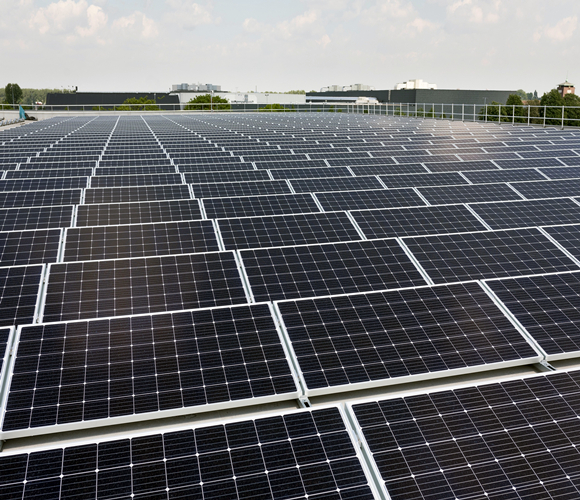
Picture this: It’s a scorching summer day in New York City, and your business is sweating over skyrocketing energy bills. Now, consider the fact that commercial solar panels could slice those costs significantly. In fact, with the right setup, businesses can save up to 30% on their energy expenses. So, why aren’t more businesses making the switch? (I mean, it’s crazy!)
Understanding the ins and outs of solar panels for businesses isn’t just smart; it’s essential if you want to keep those wallets fat and the lights on. Let’s dig deeper into why traditional solutions often miss the mark, leaving businesses in the dark—literally and figuratively.
The Flaws in Traditional Energy Solutions
Most businesses still rely on traditional energy sources that are not only outdated but also riddled with issues. Look, it’s simpler than you think: many rely on grid power that fluctuates, causing ugly spikes in costs. Moreover, traditional solutions often overlook the integration of energy storage systems and power converters that can optimize the energy you collect. When you invest in commercial solar, you’re not just buying panels; you’re investing in a resilient energy architecture that shields you from grid instability.
One specific pain point is the lack of accessibility to real-time data analytics. Without these insights, businesses can’t properly assess their energy usage, leading to massive inefficiencies. Those hidden costs? Yeah, they add up. There’s a need for robust energy management systems—integrating data-driven approaches with solar panels for businesses can revolutionize your data strategy, mitigating these concerns. Think less “reactive measures” and more “proactive empowerment.”
What’s Next
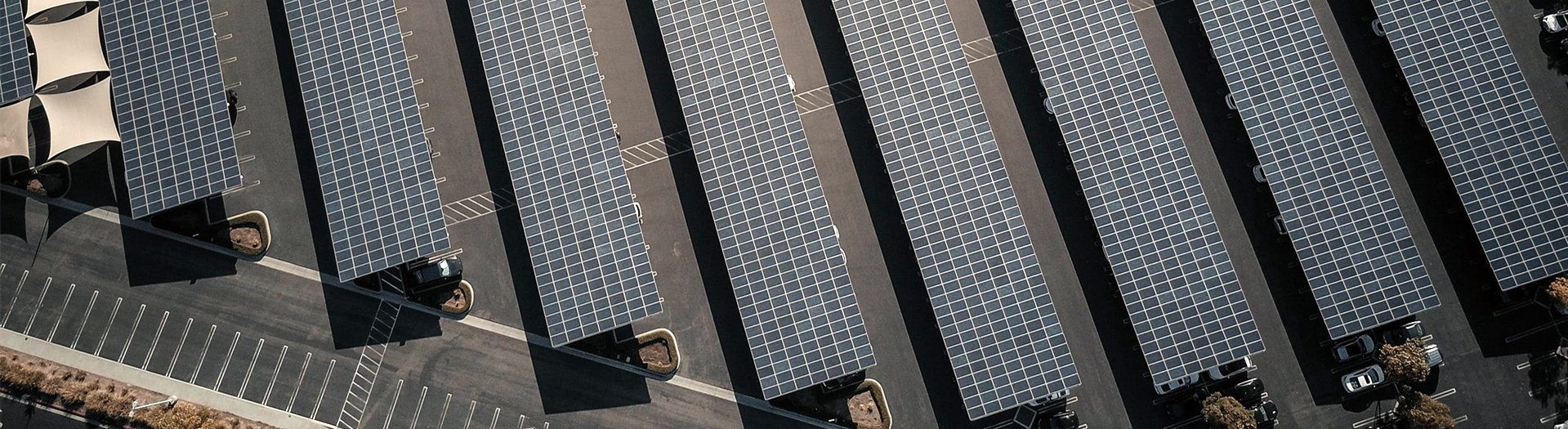
As technology evolves, businesses must embrace new principles to stay ahead, and commercial solar systems are leading the charge. Innovations in energy storage technology and smart grid solutions are helping businesses tap into renewable resources more efficiently. Imagine schools utilizing solar panels for schools, not just for educational purposes but as a model for energy independence and sustainability. It’s like a full-circle moment, showing students the power of renewable energy firsthand. Sounds like a win-win, right?
The future outlook is bright (pun intended), given the emergence of smart technologies that allow for integrated, intelligent energy systems that can forecast usage and predict energy peaks. This means more control over energy consumption and, you guessed it, even greater cost savings. Businesses can leverage these advancements to align their energy use with renewable sources seamlessly—bringing together sustainability and practicality like never before.
Summarizing Key Insights
To wrap up, understanding the gaps in traditional solutions, while helping you explore the forward-looking technologies surrounding commercial solar, is crucial for navigating this energy landscape. It’s about being smart—no one wants to scrap together solutions that don’t work. Evaluate your options based on functionality, integration capabilities, and potential returns. Work toward systems that support not only your business but also contribute positively to the environment.
As a final note, remember that investing in solar isn’t just about reducing costs. It’s about setting a standard for energy efficiency and sustainability—something you should consider as not just a business move, but a community responsibility too. For the daunting task of figuring it out, you can rely on experts like DMEGC Solar. They’ve got your back in making that leap to renewable energy.