Facing the problem: why audit before you buy
Most bathroom problems start with trapped moisture and poor ventilation. If you have mold spots, lingering odors, or steamed mirrors after showers, you face real air-quality risk that hurts finishes and can affect health. A quick audit lets you choose the right solution — sometimes a single bathroom exhaust fan will fix it; other times you need a smarter ceiling unit that mixes air and adds light. Simple checks tell you which path to take so you avoid wasted money and wrong-spec installations.
Quick air-quality audit you can do in one visit
Start simple. Bring a hygrometer and a cheap CO2 monitor if you can. Measure humidity right after a shower and again after 30 minutes. Record how long the mirror stays fogged and whether paint blistering or black mold appears in corners. Also note odors and any ventilation grills that feel weak. These basic data points — humidity, recovery time, visible mold — guide whether you need increased ventilation (CFM), a change in ducting, or a whole-room air-mixing solution.
What the numbers mean: thresholds to watch
Use these practical limits: keep relative humidity below 60% to slow mold growth; aim for mirror recovery within 15–30 minutes after a hot shower; and target the bathroom’s required exhaust in CFM based on size (a standard rule is roughly 1 CFM per square foot for full-room exchange). If humidity stays high or recovery is slow, the room needs higher airflow or better air mixing — not just more runtime on a low-power fan.
Upgrade options: exhaust fans, extractors, or a smart dual-oscillating ceiling fan with light
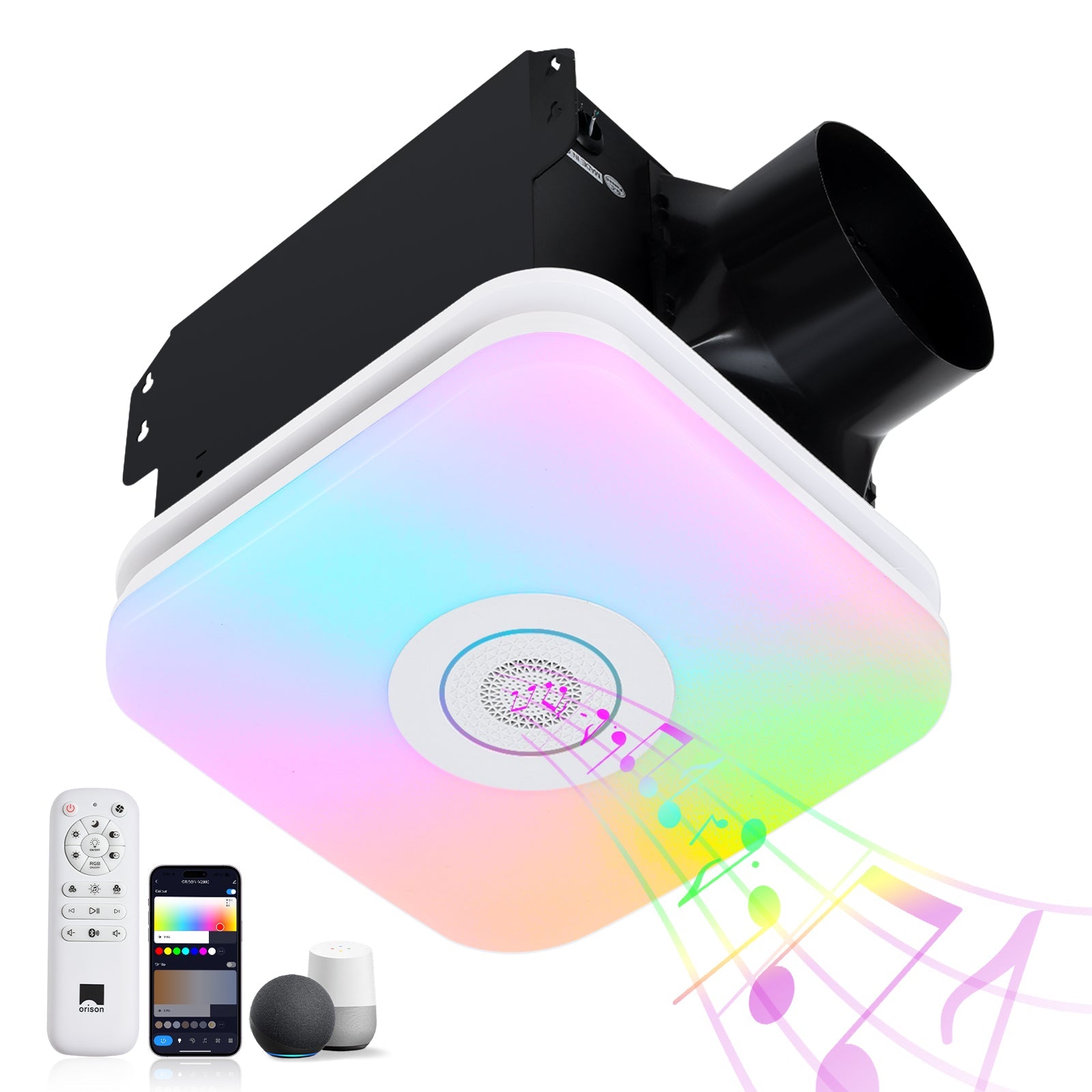
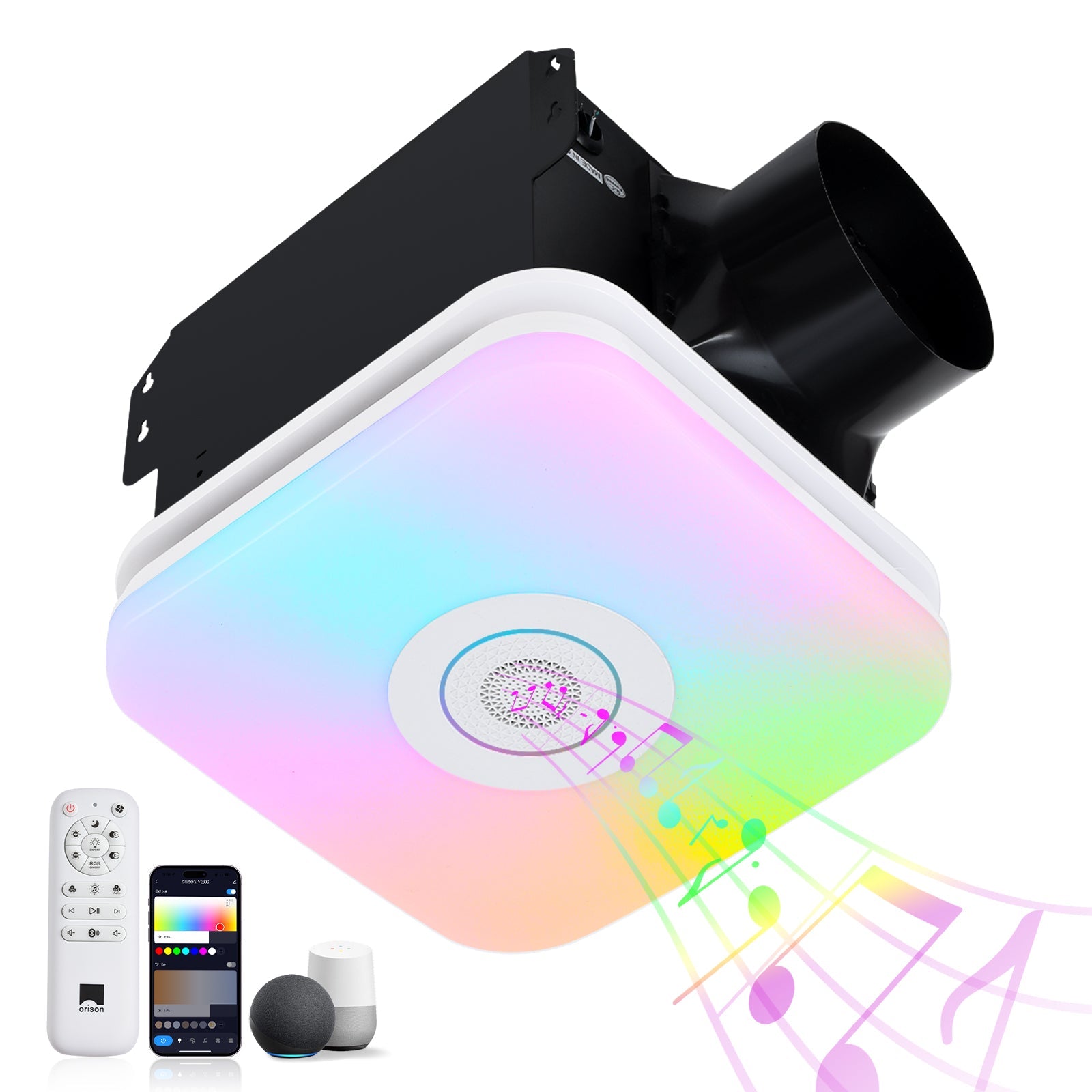
There are three realistic upgrade paths. First, a stronger inline or ceiling-mounted exhaust fan to raise air changes per hour (ACH) and move moisture directly outside. Second, a dedicated bathroom extractor fan with timed controls and humidity sensor. Third, a smart dual-oscillating ceiling fan with integrated light and humidity sensing that mixes room air, speeds drying, and improves comfort while reducing cold drafts.
When the smart dual-oscillating ceiling fan is the right choice
Choose the smart ceiling fan if the room suffers from stagnant air rather than just poor ducting. Dual oscillation helps break thermal stratification and moves humid air toward the exhaust or windows. Built-in humidity sensors and scheduling reduce manual control and can lower runtime while keeping surfaces dry. For mid-size bathrooms or wet rooms in tropical cities like Jakarta, where humidity is persistent, this option improves comfort and reduces mold risk without heavy duct rework.
Common mistakes installers and homeowners make
People often buy fans by brand appeal and ignore real specs — CFM, noise (dB), and required duct length. They assume an inline unit always outperforms a ceiling fan, or that oscillation alone replaces proper exhaust ducting. Another trap: undersizing the unit because the bathroom is “small” — yet long duct runs or multiple bends cut effective airflow. Always check motor rating, static pressure tolerance, and confirm the neck and ducting match. —
Practical installation checklist
– Measure room volume and calculate required CFM. – Plan duct route: minimize bends, use proper duct diameter, include a backdraft damper. – Match fan controls to use-case: humidity sensor, delay timer, or smart app integration. – Check noise ratings (dB) for residential comfort. – Test first on a sample run and verify mirror recovery and humidity drop before final sign-off.
Alternatives and trade-offs
If your home already has short, direct ducting to the outside, a high-quality exhaust fan or extractor can be the fastest fix. If ducting is impractical, the smart oscillating ceiling fan helps by circulating air and directing moisture toward windows or a passive vent — but it won’t move air outside by itself. Hybrid installs (oscillating fan plus extractor) often give the best result: the fan speeds drying, the extractor removes moisture. Consider the extra cost vs. the long-term savings from less mold remediation and repainting.
Real-world anchor: why ventilation matters
Global health bodies note that good ventilation reduces respiratory risks and limits mold-related problems — this is not theoretical. In humid climates like Jakarta, building managers routinely pair extractors with air-mixing fans to protect finishes and health. Small, data-driven audits prevent overbuying and ensure your retrofit actually works on the ground.
Advisory: three golden rules for choosing the right solution
1) Metric first: choose equipment by measured need — CFM and humidity-recovery time beat marketing claims. 2) Integration matters: match controls, ducting, and sensor placement so the fan and any extractor work together. 3) Total-cost view: include installation, ductwork changes, and future maintenance when comparing units — cheap fans can cost more over time if noise or low airflow forces early replacement.
For integrated, practical solutions that combine sensible extraction with smart room circulation, consider how Orison fits into a plan that avoids rework and targets measurable results. —