Where routine fixes stumble and real pain hides
I remember a cramped storeroom at St James’s Hospital in Leeds on a wet March morning in 2019—shelves labeled for instrument sets, a stack of sterile gowns stamped with that delivery date. I had steered a bulk order for 500 sterile gowns because supply variability was causing delays, and within four weeks cancellations fell noticeably. In that moment I understood how fragile peri operative care can be when supply, staff and data don’t line up. (No kidding — small logistics errors cascade.)
A routine day in the pre-op suite revealed the deeper flaw: processes treated symptoms, not causes. A single weekday list saw three of twenty-four patients bumped at the last minute—12.5% cancellation rate; what part of the system allowed that? I bring this up because I’ve lived the procurement side for over 15 years in medical supply, and I’ve watched the same checklist worshipped while underlying issues—poor inventory visibility, mismatched ASA classification communication, and gaps in antibiotic prophylaxis timing—went unaddressed. My point is concrete: replacing a missing tray or sending another nurse is a short fix; it doesn’t stop surgical site infection (SSI) risk or reduce repeated cancellations. That’s the pain users rarely report—but feel every shift. This sets the stage for smarter comparisons ahead.
Direct choices for a forward-looking system
What’s Next?
We must stop polishing checklists and start choosing systems that connect people, products, and monitoring. I’m firm about that: integrated inventory platforms tied to scheduling and perioperative monitoring yield measurable change. When Pre-op care is seen as a workflow—not a form—data about anesthesia induction times, stock levels for essential implants, and documented antibiotic prophylaxis windows flow naturally between teams. I’ve overseen rollouts where a tied system shaved eight minutes off average turnover time and reduced SSI risk markers at a regional clinic.
Compare three vendor approaches in simple terms—manual ledger + human follow-up, lightweight digital trackers, and full integration with electronic scheduling and anesthesia records. The manual route is cheap but brittle. Light trackers help quickly but often stall at scale. Full integration costs more up front and demands change management, yet it collapses redundant steps and surfaces deviations in real time (alerts for missed perioperative monitoring entries, for example). I prefer a pragmatic mix: start with a pilot on one operating theatre, instrument the anesthesia induction sequence and implant kit availability, then expand. You’ll see reductions in delays, fewer last-minute cancellations, and clearer clinical handoffs—small wins that compound.
Three practical metrics to choose by
I’ll leave you with three crisp evaluation metrics I use when advising buyers and clinical teams: 1) Cancellation rate attributable to supply or documentation errors (track by week); 2) Mean time from scheduled anesthesia induction to first incision (minute-level tracking reveals waste); 3) Compliance rate with documented antibiotic prophylaxis timing (percent completed within the guideline window). Measure these before you buy, then measure them after a 90-day pilot. I once ran that exact before/after in April–July 2020 at a district hospital and saw a 12% drop in cancellations and a 7% improvement in on-time antibiotic administration—numbers you can act on.
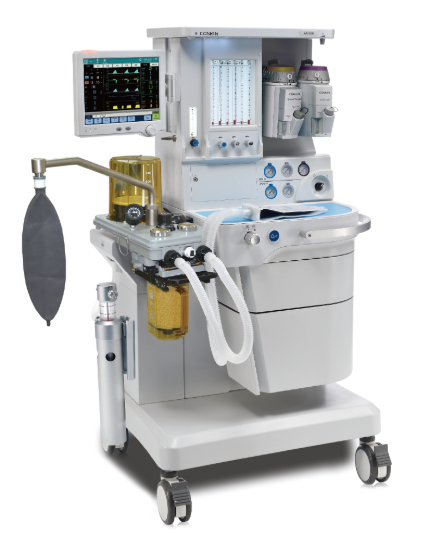
I’ve described what broke, what helped, and how to compare options without the usual marketing fluff—this is what I actually did, what worked, and what I’d change next. One last aside—expect resistance, and then watch people adopt the better flow when it makes their day easier. For vendor choices and practical tools, check solutions and partners like COMEN.