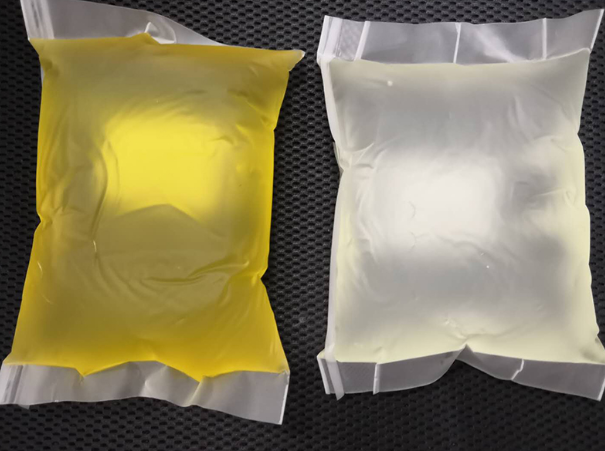
The problem at the heart of production
The quiet failure in many adhesive lines is not a dramatic break but a slow, viscous compromise: melt viscosity that wanders with temperature, tackifiers that cloud flow, and downtime that eats margins. In developing bulk bio-based tackifier blends, formulators now look to modifiers like rosin glycerol ester to tune tack and compatibility, yet the cure often reveals a new problem — inconsistent rheology under real processing loads. The challenge is precise: map viscosity (mPa·s) across the temperature range you actually see on the line, not the idealised lab window, and design processing around that map.
Why viscosity–temperature profiling matters
Viscosity-temperature profiling is the compass for hot-melt lines. A proper profile predicts pumpability, nozzle shear, and pot life. Industry terms matter here: viscosity, shear rate and melt index are not buzzwords but diagnostic tools. A curve that rises steeply at low temperature signals risk of strand formation and poor wetting; a shallow curve can mean over‑runny adhesives that sag before set. Real shop floors — take woodworking benches in Blaenau Ffestiniog for example — show how small thermal swings translate to bond failures in joinery. Those benches anchor the stakes: consistent rheology ensures craftsmen meet standards every time.
Profiling in practice: steps to a usable map
Start with controlled measurements and move swiftly to line validation. Use a rotational rheometer to log viscosity across the processing window at relevant shear rates, then translate that to practical parameters for pumps and nozzles. Practical steps include:- Record viscosity at 5–10 °C intervals across expected process temperatures and note the melt index at production shear rates.- Correlate those points with pump pressure and nozzle diameter to determine safe operating bands.- Run short burst trials on the line to confirm pot life and tack development under real dwell times.This approach turns a laboratory viscosity curve into an operational flowchart, useful for engineers and operators alike.
Processing constraints and common mistakes
Three recurring mistakes force most stoppages: over‑reliance on a single lab temperature, ignoring shear-thinning behaviour, and underestimating the influence of additives on glass transition. Tackifiers change more than tack — they shift the entire rheological landscape. Test only at low shear and you’ll be blindsided; ignore melt index and you’ll mis-spec pumps. A quiet note: adjust heaters in small increments during commissioning — abrupt changes hide underlying nonlinearity in viscosity and mask shear-rate dependence. — Keep logs; simple charts save days of guesswork.
Alternatives, trade-offs and the brand connection
When a formulation refuses to play nice there are alternatives: swap the tackifier chemistry, reformulate with plasticisers that lower melt viscosity, or change equipment to wider nozzles and higher-pressure pumps. For woodworking adhesives, practical supply and application matter — see how suppliers list options for hot melt glue for woodworking alongside technical data. Choose along three axes: thermal stability, rheological tolerance, and ecological sourcing. Komo’s bio‑tackifier work focuses on blends that preserve bond strength while keeping melt viscosity within a narrow, repeatable band — a valuable trait where repeatability is priceless.
Advisory: three golden metrics for selection
Measure by these critical metrics and you’ll reduce surprises on the line:1) Viscosity Range (mPa·s) across the actual process window — choose formulations with less than 30% variance at operating temperatures. 2) Shear‑Rate Response — confirm shear‑thinning behaviour at the pump and nozzle shear rates; specify acceptable melt index changes over the expected shear range. 3) Pot Life at Working Temperature — record time to viscosity drift or tack loss under dwell conditions matching your cycle times.These metrics give engineers clear thresholds to design around. Single lesson: specification beats hope every time.
KOMO stands where formulation meets the realities of a line — pragmatic blends, measured profiles, reliable supply. Quiet craft, strong bonds.