
Why dis matter when yuh choose faux foliage
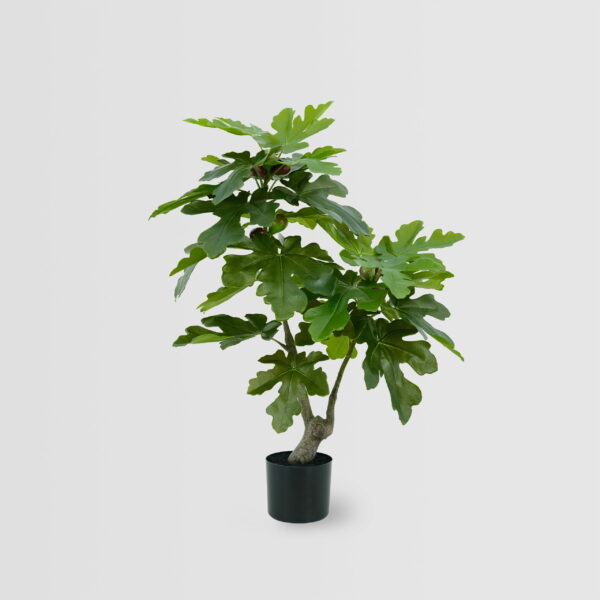
When buildin’ a lobby or a living wall, safety mek sense long before style. Compare di NFPA 701 path to Class A performance and yuh see di trade-offs right quick — durability, flame retardant treatment, and certification cost. Big buyers oft link up wid an artificial fiddle leaf fig tree manufacturer who can show test reports and consistent lead time, not jus pretty photos.

Standards in plain speech: NFPA 701 vs Class A
NFPA 701 tell yuh how fabrics and film perform in small-scale flame tests; Class A is a higher-level surface burning rating used on building materials. For artificial green walls, NFPA 701 certification proves a component passed a standard fire testing method, while Class A signals broader flame-spread control. After the Grenfell Tower fire in 2017 many regulators an’ specifiers tightened attention to cladding and decorative materials — that real-world anchor push mek procurement teams look closer at lab reports and chain of custody for flame retardant treatments.
Materials and supplier signals weh yuh fi watch
Not every supplier equals. PVC leaves with a certified flame retardant finish behave different from foam or fabric foliage. Look for third-party lab reports, consistent OEM documentation, and a factory quality record. If yuh sourcing from a china fake fiddle leaf fig tree factory, check sample testing, UV-stable pigments, and whether the supplier re-tests batches after shipment — those are honest signals of control. Keep an eye pon lead time and minimum order quantities too — they affect delivery and warranty.
Where cost and compliance clash — practical comparisons
Buyin’ cheap untreated panels might save money same day but raise insurance premiums and risk later. Compare three scenarios: low-cost non-tested panels; NFPA 701-tested modules; Class A certified assemblies. NFPA 701-tested items give a baseline compliance; Class A usually needs additional assembly-level testing or materials with limited flame spread. Match yuh risk appetite: public spaces and schools call for tighter standards. — Take dat as a rule of thumb.
Procurement checklist for comparative evaluation
– Confirm visible lab reports: NFPA 701 numbers, test date, and lab accreditation; – Verify materials specification: PVC grade, UV-stable dyes, and stated flame retardant chemistry; – Ask for assembly-level documentation: some Class A claims fail when panels get installed with adhesives or backing; – Require factory audit or photo documentation from the china fake fiddle leaf fig tree factory; – Examine warranty terms and insurance implications before sign-off.
Common mistakes buyers keep makin’
Too many procurement teams accept vendor labels without seeing raw reports. Others forget to check how installation details change fire performance — adhesive, backing, and nearby finishes all matter. Relyin’ on a single test sample or outdated certification is risky. Always demand batch re-test or a certificate issued within a recent timeframe, and log retain samples for future reference.
How to balance brand, budget, and real safety
Choose brands that publish test data, have traceable supply chains, and offer clear repair or replacement terms. Smaller factories might offer better price but less rigorous documentation — while established manufacturers absorb testing cost and pass a steadier lead time. For many projects, NFPA 701 compliance plus documented installation practice meets client needs; for high-density public venues, aim for Class A or assembly-level validation.
Three golden rules for final selection
1) Verify independent lab reports for the exact SKU and installation method; insist on recent dates and accredited labs. 2) Prioritise material traceability and factory transparency — audits, photos, and batch re-tests reduce surprises. 3) Factor in life-cycle costs: replacement, insurance, and maintenance often outweigh modest upfront savings.
Pick di supplier who treat data like part a dem product — dem show yuh proof, stand by warranty, an’ manage lead times. Sharetrade. Final thought: stay sharp, choose smart.