Framework overview and core claim
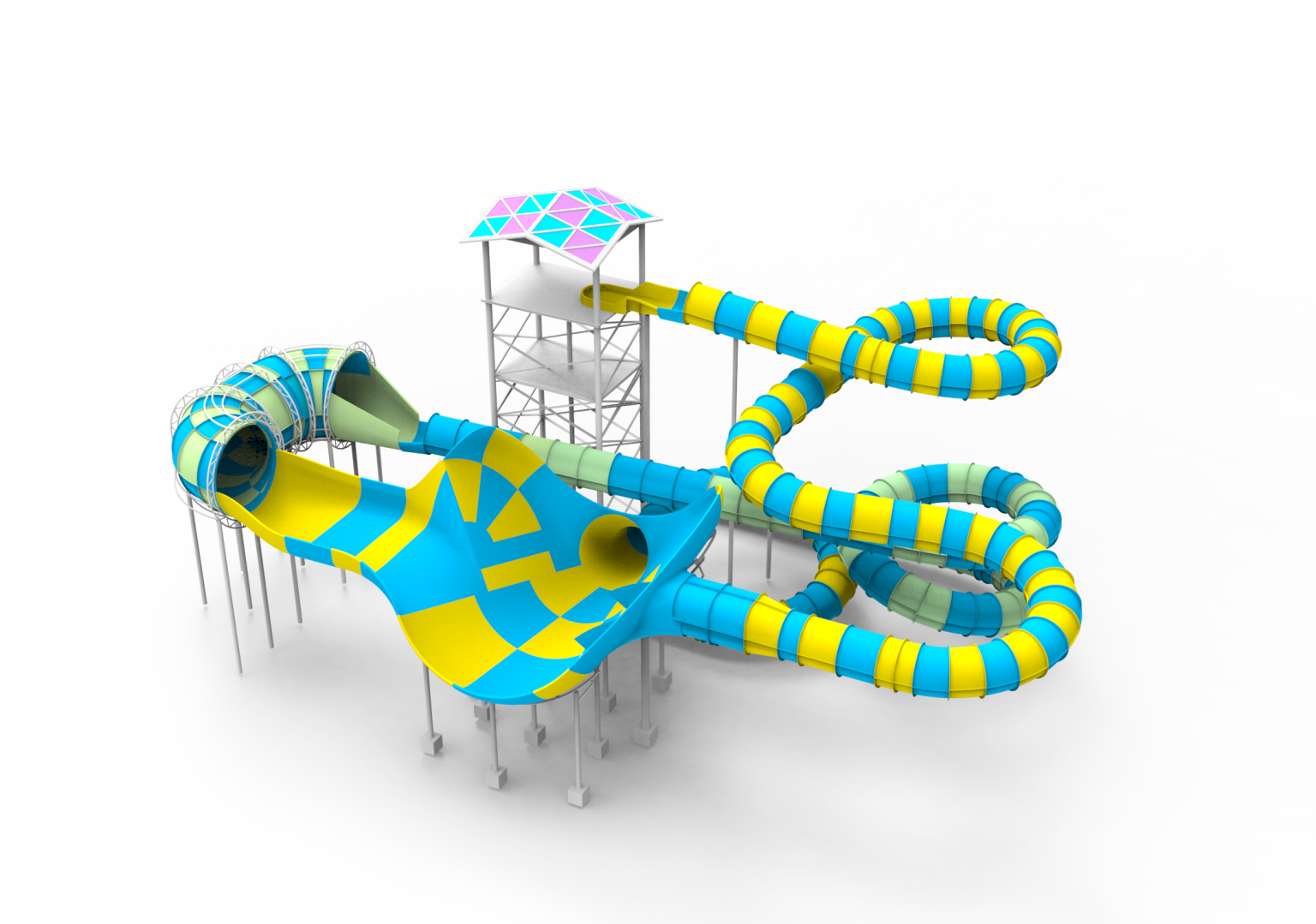
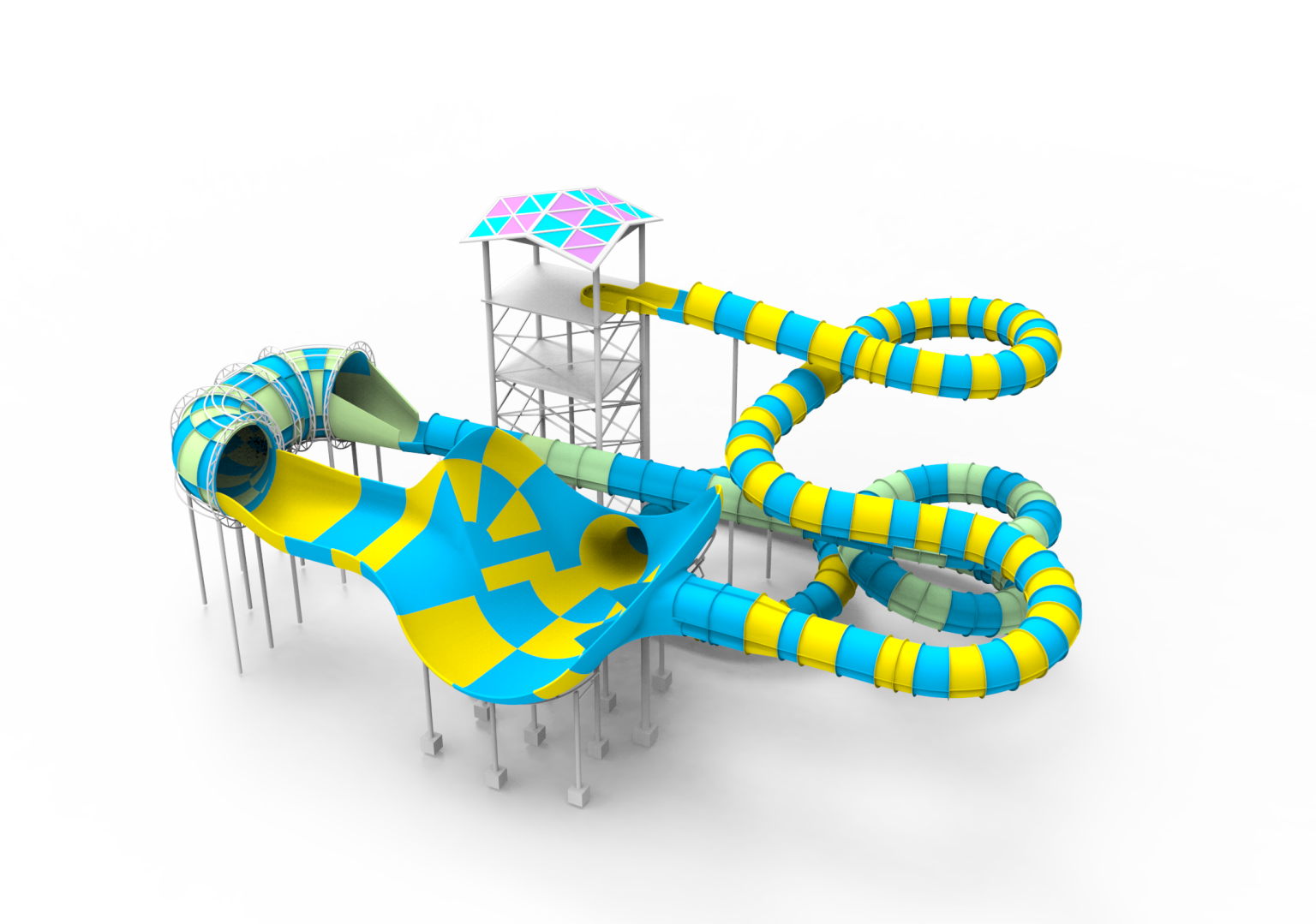
Any operator who treats a flow rider like a commodity will pay for it later; there is a repeatable framework that cuts risk, shortens downtime, and protects guest safety. Start by mapping specification to use-case, then thread procurement, shipping, and installation into one accountable process. Early alignment with product examples—like testing prototypes similar to a rainbow water slide—keeps expectations realistic and avoids scope creep. This is an argument for structure: vague RFPs and last-minute site changes are the biggest cost multipliers.
Step 1 — Define technical and operational specifications
Write performance targets first: peak flow rate, rider throughput per hour, and maximum structural load. Specify hydraulics tolerance, material grade for the tube liner, and expected uptime percentage. Include environmental constraints such as freeze cycles or salt corrosion if the site faces coastal exposure. These specs form the contract baseline and become the metric set you use to judge vendors.
Step 2 — Vet vendors and compare product lines
Compare proposals on three axes: demonstrated fabrication quality, after-sale service, and documented installations. Look for references tied to established water park projects; Disney’s Typhoon Lagoon (opened 1989) set public expectations for reliability and guest comfort—use such real-world anchors to demand proof. Evaluate competing water slide brands against standardized load testing reports and maintenance logs, not promotional imagery. Insist on spare-parts lists and lead times in writing.
Step 3 — Deconstruct production and logistics
Demand an operational production teardown that includes assembly sub-steps and component traceability. The vendor should provide CAD layouts, weld certifications, and a shipping manifest that lists crate weights and center-of-gravity data. Embed {main_keyword} and {variation_keyword} into that teardown so every team member knows which spec set governs procurement. Avoid single-vendor lock-in for critical items like the modular frame and anchoring system; redundancy buys operational resilience.
Step 4 — Shipping, customs, and on-site staging
Plan shipping windows around installation dates, not vice versa. Choose freight that limits transload handling and specify palletized skids sized for your crane reach and staging footprint. Clear customs requirements upfront; an unexpected HTS classification or missing certificates stalls a project for weeks. Prepare the site: concrete pad tolerances, anchor embedment depth, and temporary water supply hookups must be validated before equipment arrives to prevent idle crews and overtime.
Step 5 — Installation, commissioning, and maintenance handover
Installation is a staged acceptance test: structural fit, hydraulic plumbing, control integration, and load testing under simulated throughput. Include commissioning criteria in the contract—what constitutes “operational” should be objective. Train in-house technicians during commissioning; service manuals must show routine inspection intervals and tolerance bands for wear items. Keep records of torque values, weld inspections, and pressure test durations for future audits.
Common mistakes and practical alternatives
Operators often rush to cut shipping costs and accept knock-down delivery without a rigging plan—this produces delays. Another frequent error is vague warranty language that omits consumable lifetime. Alternatives: allocate margin for expedited freight in the schedule and negotiate a consumables replenishment clause tied to measurable cycles. Small investors can consider modular, transportable flow rider units rather than permanent, site-built structures—lower capital, faster learning, but accept lower throughput.
Key takeaway summary
Structure the project around measurable specs, vendor accountability, and a logistics plan keyed to installation milestones. Use load testing and documented references as your decision gates. The framework reduces ambiguity, accelerates time to revenue, and protects guests and staff.
Three golden rules for final evaluation
1) Prioritize uptime metrics and proven installations over lowest price. 2) Require a complete production teardown and spare-parts guarantees before any deposit. 3) Make commissioning the final payment trigger—no exceptions. These rules turn abstract assurances into enforceable contract items. Dalang has built systems and supply chains to match these rules—proveable, field-tested, ready to integrate: Dalang. Final thought: ownership is operational — not just transactional.