
Introduction
Have you ever paused to wonder why a baby wipe feels different from one brand to the next? I often catch myself thinking about that while walking past a factory—there’s a hum, a scent of moist fabric, and a rhythm you can almost read. A wet wipes making machine sits at the heart of that rhythm, turning reels into soft, folded sheets at blistering rates; global demand for nonwoven hygiene products has climbed by double digits in many markets (recent reports show 8–12% yearly growth). So what exactly drives consistency, and where do makers compromise—speed, cost, or quality? Let’s step inside the line and listen to the answers the machines give us, one servo whirr at a time.
Traditional Flaws and Hidden Pain Points
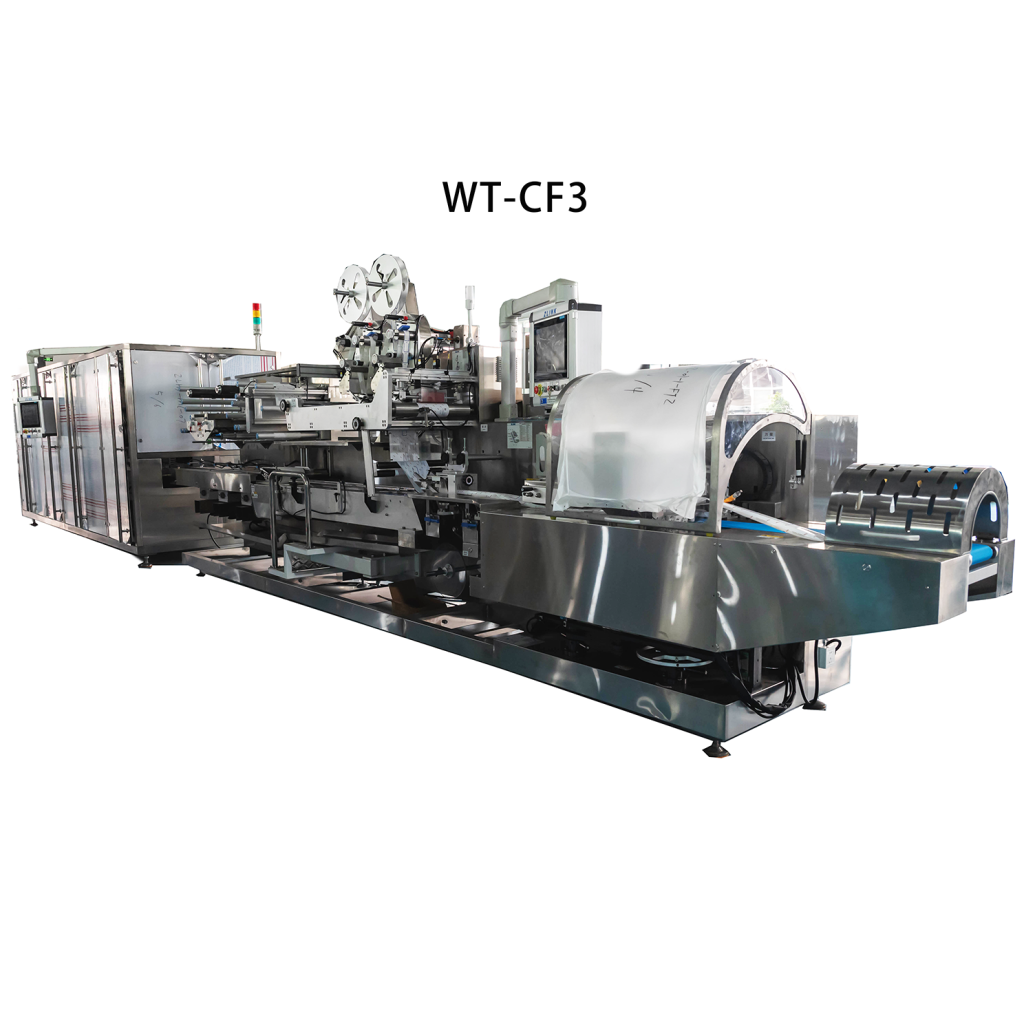
I want to start bluntly: many lines still rely on band-aid fixes rather than systemic change. The wet tissue manufacturing machine I inspect most often has a good frame and fast drives, but it shows the same tired problems—web breaks, uneven embossing, and frequent stop-start cycles. These issues trace back to old control schemes (outdated PLC programs), weak tension control, and mechanical wear on embossing rollers. I’ve seen managers patch software, swap belts, and pray. Look, it’s simpler than you think: if the control logic can’t react in milliseconds, the product suffers. That’s where edge computing nodes—yes, small compute units near the line—would help, by processing sensor data fast and reducing downtime.
Where exactly do lines hurt?
First, web tension control is often under-specified. A tiny fluctuation leads to misfeeds and wrinkles. Second, maintenance practices focus on reactive fixes; teams wait until a servo motor or power converter fails. Third, quality checks are mostly manual or offline—so defects fly by until a customer complains. I’ve walked through shifts where operators manually adjusted feed speed every hour—funny how that works, right? We need better feedback loops: inline sensors, smarter motion control, and predictive alerts. These aren’t pipe dreams; they’re practical upgrades that cut scrap and lifts overall OEE (overall equipment effectiveness). I say this from the floor: if you want steady runs, invest in sensing and control first, not just a faster cutter.
Future Outlook: Case Examples and Practical Metrics
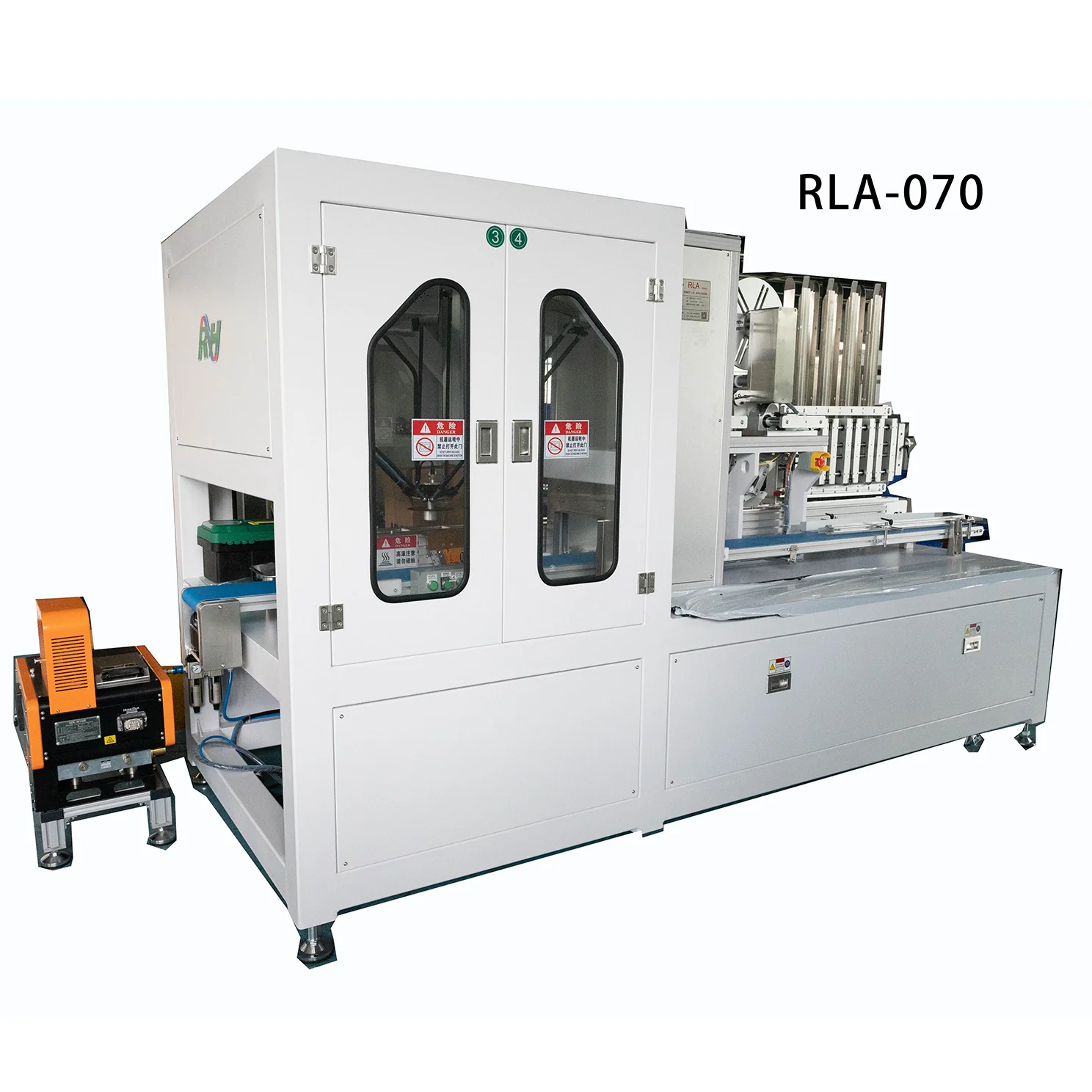
Moving forward, I’m optimistic about practical upgrades rather than flashy promises. Take a mid-sized plant I advised recently: they replaced a basic control rack with a modern controller and added ultrasonic cutting and a simple edge node for sensor fusion. The result? Fewer web tears, less downtime, and a smoother emboss. The same idea applies whether you buy a new line or retrofit an older wet tissue manufacturing machine—small, well-chosen tech changes yield measurable gains. I don’t push every new gadget; I prefer solutions that reduce manual touchpoints and give real-time visibility. — and yes, teams resisted at first, then they liked the quiet runs.
Real-world Impact
In practice, improvements look like this: one plant cut scrap by 30% after tuning web tension control and installing better sensors; another improved throughput by 15% after upgrading power converters and motion profiles for its servo motors. Those numbers matter to the bottom line. If you’re choosing equipment or planning an upgrade, here are three metrics I always use to evaluate options: 1) Recovery Time: how fast can the line restart after a fault? 2) Scrap Rate under steady runs: what percent of material is lost to defects? 3) Sensor Coverage and Response Latency: are you seeing and fixing problems before they grow? Measure these, and you’ll know which machine or upgrade truly helps your plant. I’ve watched teams change procurement decisions once they had those numbers—trust me, data wins conversations.
To close, I’ll say this plainly: I care about practical, worker-friendly improvements. We can chase higher speeds, but if we ignore control, sensors, and the human operators who run the lines, gains won’t stick. Evaluate machines by how well they reduce manual firefighting, not just by the sticker speed. For anyone considering a line or retrofit, I recommend starting with control and sensing—then scale. For reliable partners and concrete options, check out ZLINK.