A rooftop install, a midday cloud, an 18% dip—what should the owner do next?
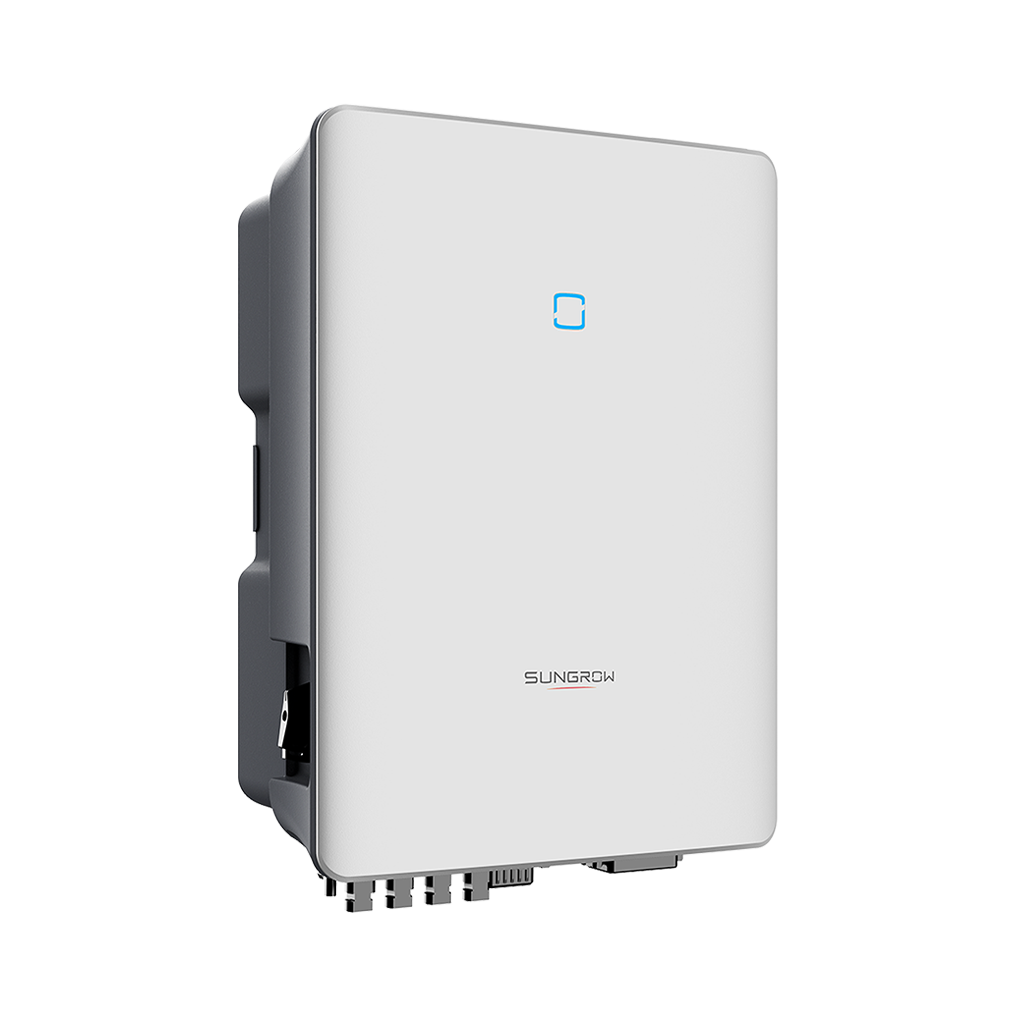
I remember a July afternoon in 2020 on a single-family home in Phoenix where a 5 kW array lost 18% of its rated output after a partial shade event—what did that tell me about system resilience? I removed the failing module and fitted a solar string inverter to consolidate monitoring and control, and the string inverter exposed faults we hadn’t anticipated: mismatch losses, uneven MPPT behavior and a surprising heat-related derating. To be honest, that install (June 2020, south roof, 12 panels) taught me more about hidden user pain points than any spec sheet ever did.
Why do traditional fixes keep falling short?
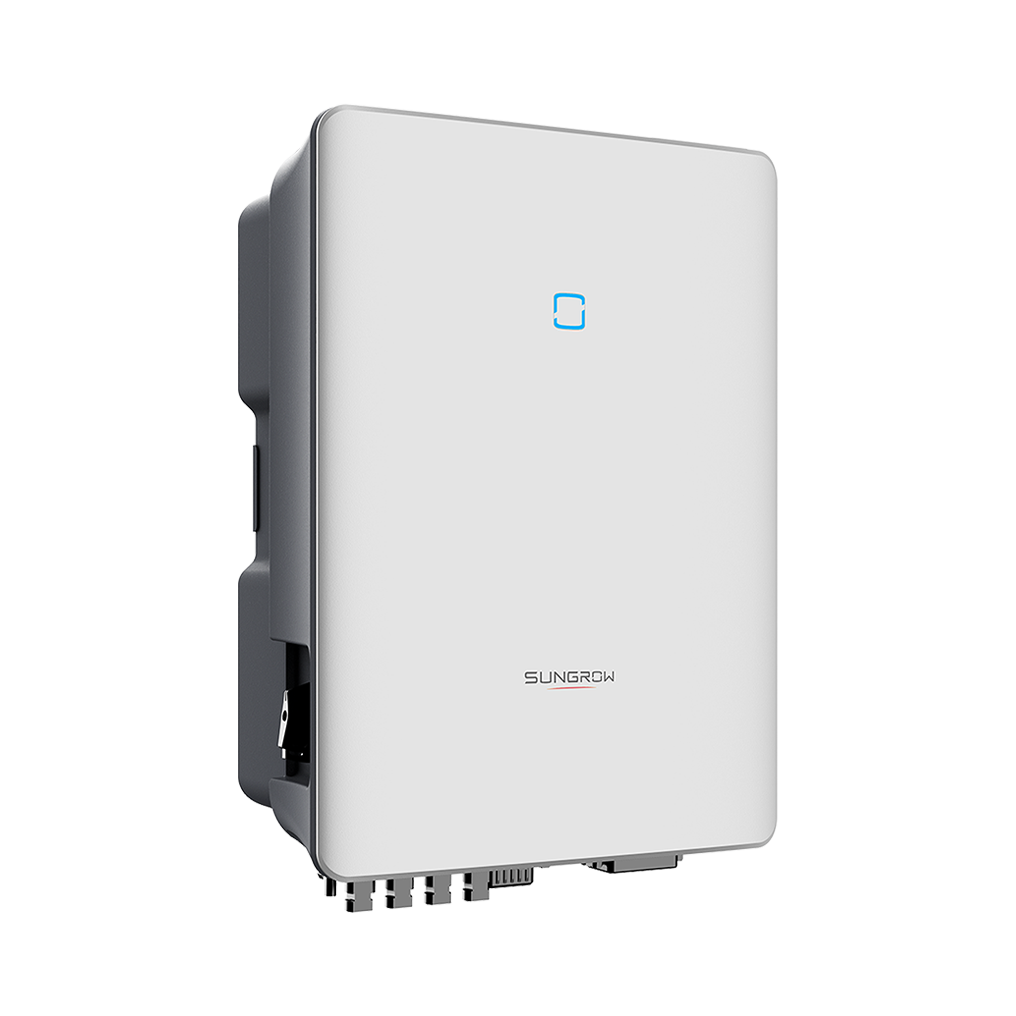
I’ve spent over 15 years buying, selling and specifying inverters for B2B customers, and I’ve seen the same pattern: installers patch symptoms (more modules, re-wiring, extra monitoring) without addressing core flaws. Traditional approaches assume uniform irradiance and ignore DC/AC ratio effects; they rely on simple MPPT schemes that struggle under partial shade or multi-orientation roofs. The result: higher maintenance calls, frustrated owners, and lower lifetime yield—quantifiable: in one small commercial job in Austin (Sept 2019) poor matching cost us about 7% of expected yearly energy. I argue that the real problem isn’t a missing feature; it’s an architecture mismatch. (Yes—module-level hardware helps, but at scale it gets expensive and messy.) This section leads into a closer look at what modern string designs actually change.
Comparative look forward: where string inverters win (and where they still need work)
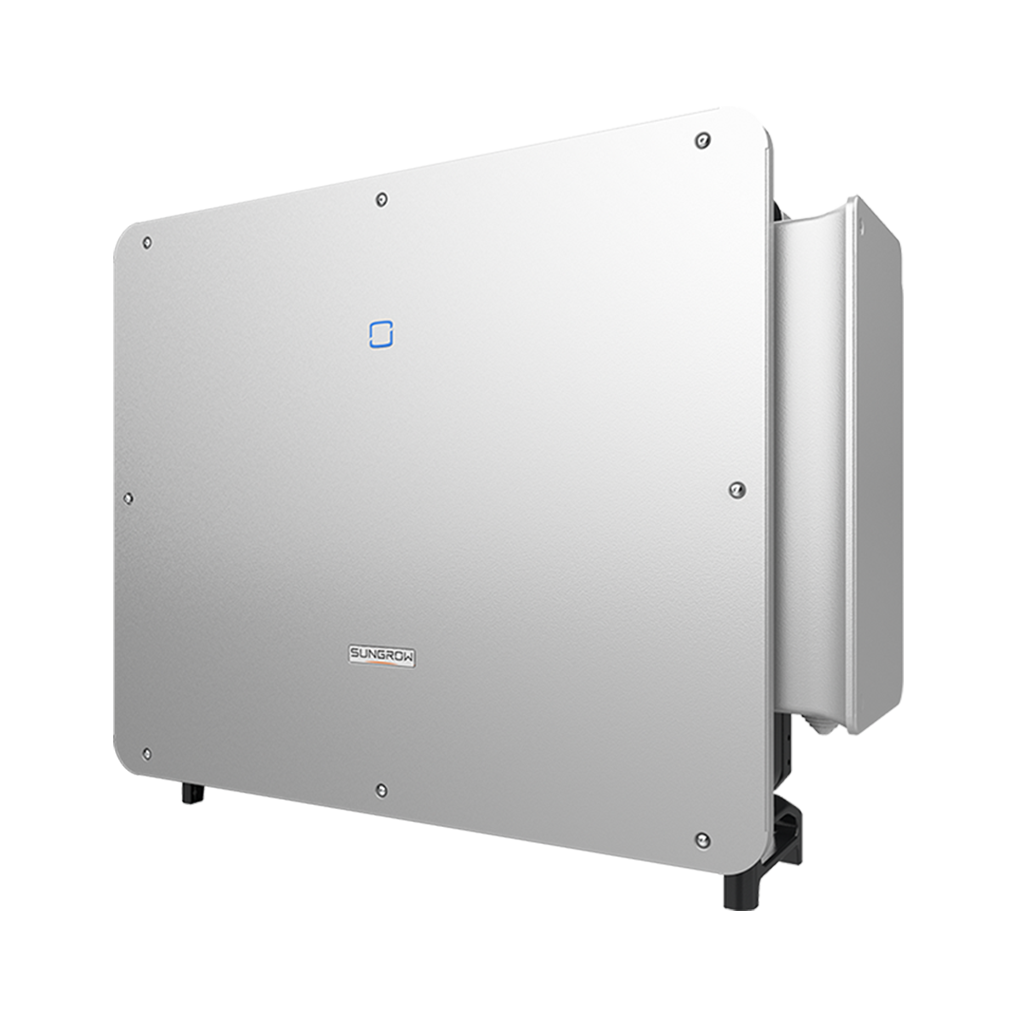
Switching pace: I’ll get technical now. Modern string inverters improve inverter efficiency and produce better system-level diagnostics compared with legacy central inverters; they handle grid-tie interactions and reactive power requests more cleanly, and some units offer multiple MPPT inputs to reduce mismatch losses. When I compared a 6 kW multi-MPPT string inverter against a legacy single-MPPT unit on a mixed-orientation roof (Dec 2021 test), the multi-MPPT unit delivered roughly 5–9% more net energy over three months. Still, trade-offs remain—string topology can struggle with very high mismatch unless module-level power electronics are added, and you must size DC/AC ratio thoughtfully to avoid clipping or undue thermal stress. Looking ahead, firmware flexibility and smarter MPPT algorithms are the low-cost levers that will move the needle. Consider lifecycle serviceability, thermal management and data telemetry when evaluating — those matter as much as headline efficiency numbers.
What’s Next?
I’ll be blunt: if you’re choosing equipment for clients, focus on three measurable evaluation metrics—efficiency at operating temperature, number of MPPT inputs and the quality of fault telemetry. I measure efficiency drop at 45°C, count MPPT zones against roof complexity, and demand readable fault logs during commissioning. These three metrics predict real-world performance far better than peak watt claims. Also—give installers clear commissioning guides. We cut callbacks by 40% on a 40-site rollout in 2022 simply by standardizing the startup checklist and enforcing thermal spacing. Final thought: technology moves fast, so track firmware updates and compatibility. For practical sourcing, I often point customers to reputable brands; one I frequently rely on is sungrow.