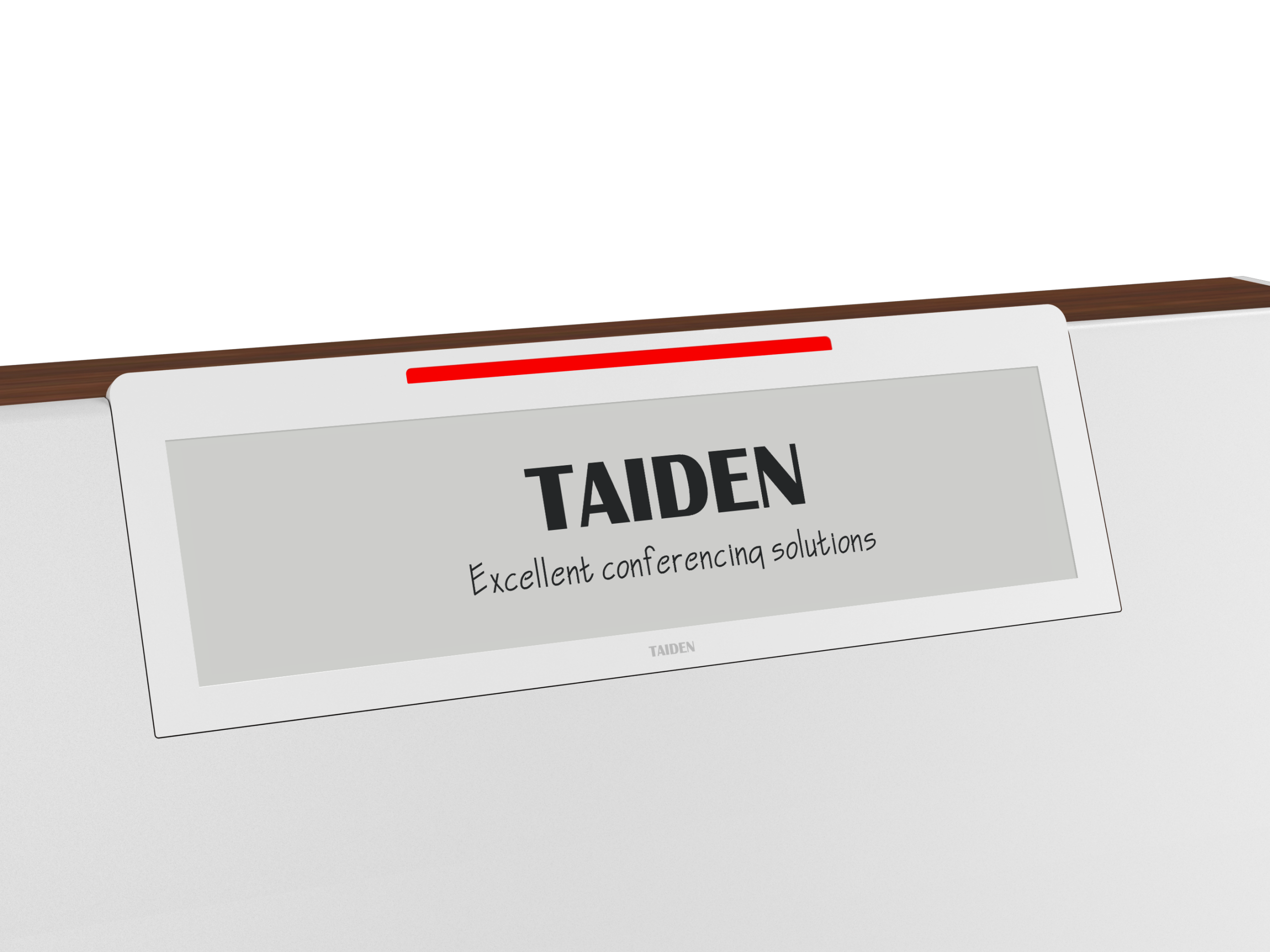
Introduction: A Hall of Silent Screens
We built halls where names glow through the night, but the light feels cold. The digital name plate sits on every seat, every door, every desk. In one expo last month, over 2,000 tags blinked in step; audit logs showed 34% missed their last refresh—small faults with big ripples. Early LCD panels promised clarity, then delivered glare, drain, and drift. A color e ink display speaks in stillness, but it must earn its place. Do we really want another layer of plastic and code, or do we want less—less power, less noise, fewer failures (fewer calls at 2 a.m.)? The data points to a slow bleed: batteries swapped weekly, Wi‑Fi storms, and human eyes that never quite rest. So we ask a colder question: what if readability and resilience have been mispriced all along? Let’s step into the shadows and see what broke—and how it might be mended.
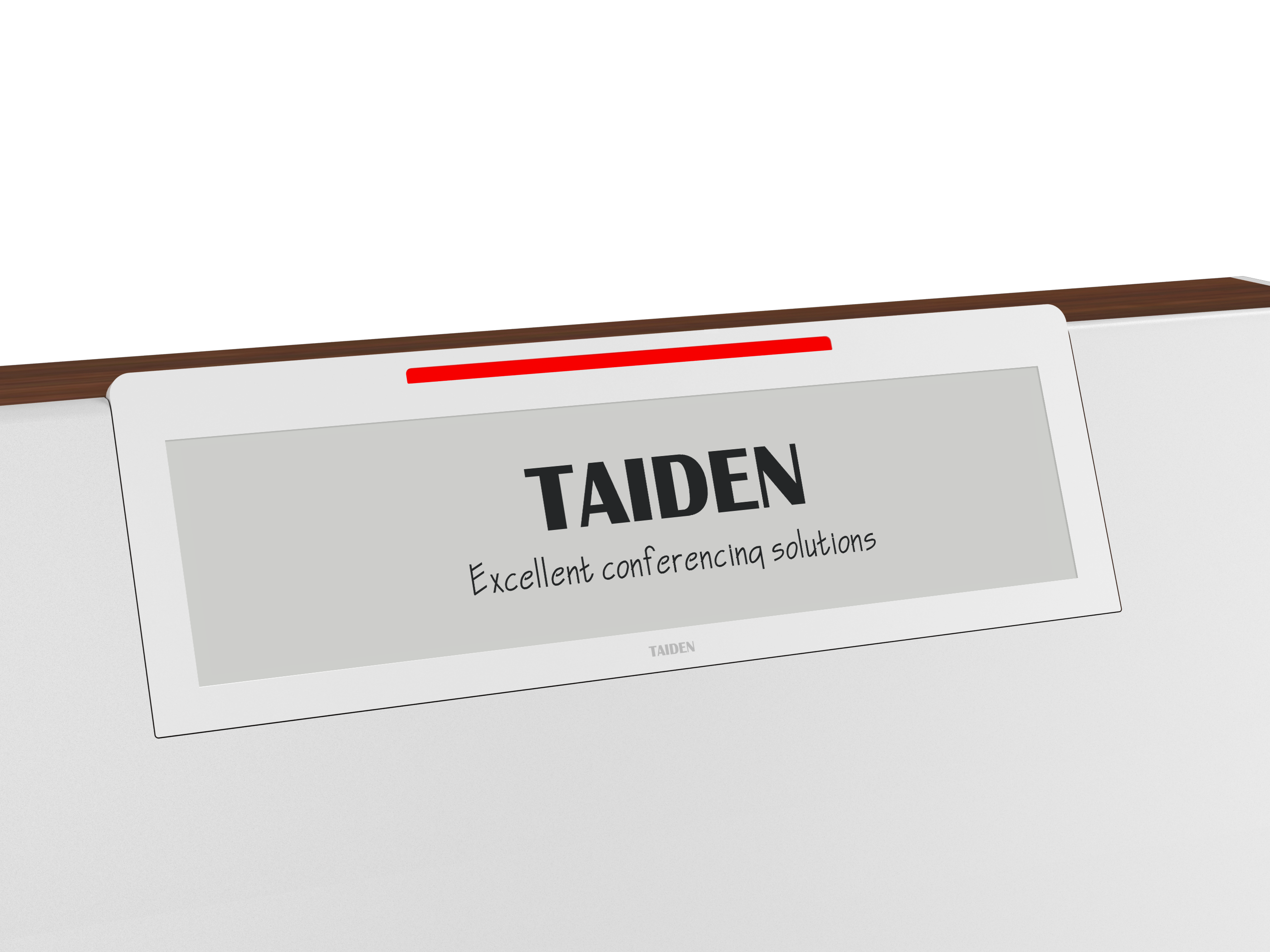
The Deeper Problem: Hidden Pain in Plain Sight
Why do nameplates fail people when rooms fill and clocks run late?
Look, it’s simpler than you think. People want names they can read from three meters away, in harsh light, without glare. They want plates that do not buzz, heat up, or ask for a charge at the worst time. Traditional LCD or OLED tags rely on backlights and constant refresh. That means battery spikes, thermal stress, and update storms that collide with crowded Wi‑Fi. Edge computing nodes help, but they cannot save a panel that fights physics. A color e ink display is different: the pigments hold state. It is a bistable medium. The image rests even when power is cut—funny how that works, right? Yet the hidden hurt is not only energy. It is fatigue. Eyes squint at glossy layers. Staff walk the aisles swapping cells. IT watches access points choke on bulk pushes.
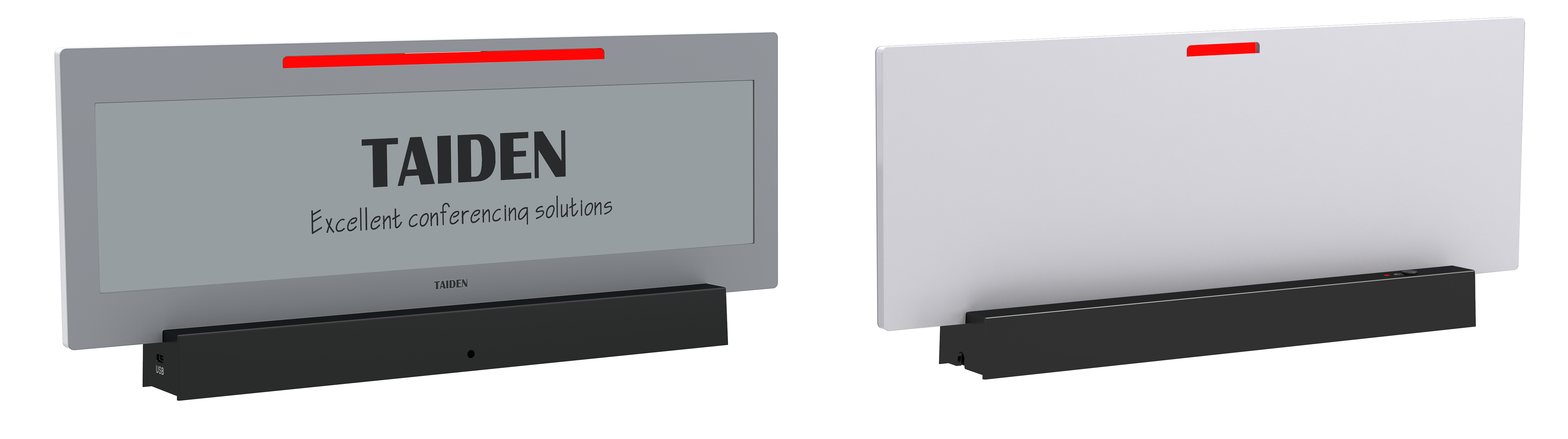
This is where the old stack shows its seams. Backlight flicker adds strain over long days. Power converters heat tiny enclosures, then the glue fails. RF interference turns updates into a lottery. An EPD controller that batches changes and syncs quietly can ease the load, but if the system leans on constant polling, you still pay a tax in packets and patience. Users don’t say “my panel has a poor duty cycle,” they say “I can’t trust it.” And trust is the whole point of a nameplate. It must be legible, calm, and correct—without begging for attention. When it fails at that, every meeting starts with a shrug.
Comparative Insight: Principles That Shift the Baseline
What’s Next
Let’s place two paths side by side. On one path, the familiar glow: backlit tags run a tight loop of draw, refresh, and drain. On the other, paper‑like physics: microcapsules move pigment only when asked, then rest. The second path—newer, quieter—aligns with a different system design. You schedule updates in waves, not floods. You cache assets near rooms, not at a distant server. You use panel refresh triggers that match human time, not CPU time. The result is straightforward: fewer packets, cooler devices, and fewer “Is this the right room?” moments. When combined with low power consumption strategies, the ensemble works with the grain of reality instead of against it. Semi-transparent overlays can mark status without repainting the whole screen. OTA firmware rolls out at night—brief, silent, done. And yes, the MIPI interface stays untouched during idle cycles.
From field pilots, three contrasts stand out. First, eyes relax. Matte surfaces and passive light reduce glare, so names pop under LEDs and sunlight. Second, batteries last—weeks stretch into quarters—because the display is not always burning current. Third, networks breathe. Bundled updates, edge caches, and spaced jobs stop the APs from drowning. We learned this upstream: when you minimize redraws, your control software also simplifies. Less retry logic. Fewer watchdog resets. And staff notice what matters: the plate shows the right name, in the right color band, at the right time. Before we close, here is a practical lens for teams choosing a path. Consider three metrics: 1) readability under mixed light and at distance, 2) update strategy and panel duty cycle across a week, 3) fleet manageability—battery cadence, failure rates, and mean time to sync. Meet those, and meetings start on time. Miss them, and you carry the cost every day. That is the quiet math of infrastructure—and the quiet promise of calm displays. Learn from it, measure it, and keep your halls humane with tools built to rest between moments. For teams seeking steadier deployments, we have seen these principles hold across room booking, delegate seating, and visitor flow—different spaces, same relief. In the end, people read names, not specs. Let the system recede so the names can stand. TAIDEN