The problem on the road
Busy urban corridors — think EDSA in Metro Manila — expose the same two reporting gaps: blurred licence plates and low‑contrast stretches where details vanish into shadow. These failures cost time and evidence, whether you’re settling a fender bender or documenting a near miss. A properly tuned 4k dash cam changes that outcome: higher resolution, smarter exposure control and multi‑angle coverage reduce ambiguity at the point of capture. Real drivers in Manila and other congested cities remark that footage clarity often decides a claim; this is the real‑world anchor that makes the technical choice practical, not theoretical.
Why single cameras often fall short
One front camera can’t do everything. Fast motion, glare from low sun or headlights, and tight corners all expose limits: insufficient bitrate, low frame rate, poor dynamic range and a narrow field of view. Compression artefacts turn licence characters into blobs; WDR or HDR shortcomings let tunnels and shaded junctions lose definition. Insurance and police need legible frames at 25–30 fps and a bitrate high enough to preserve small details — if those boxes aren’t ticked, you end up with unusable evidence.
What a 3‑camera 4K setup fixes
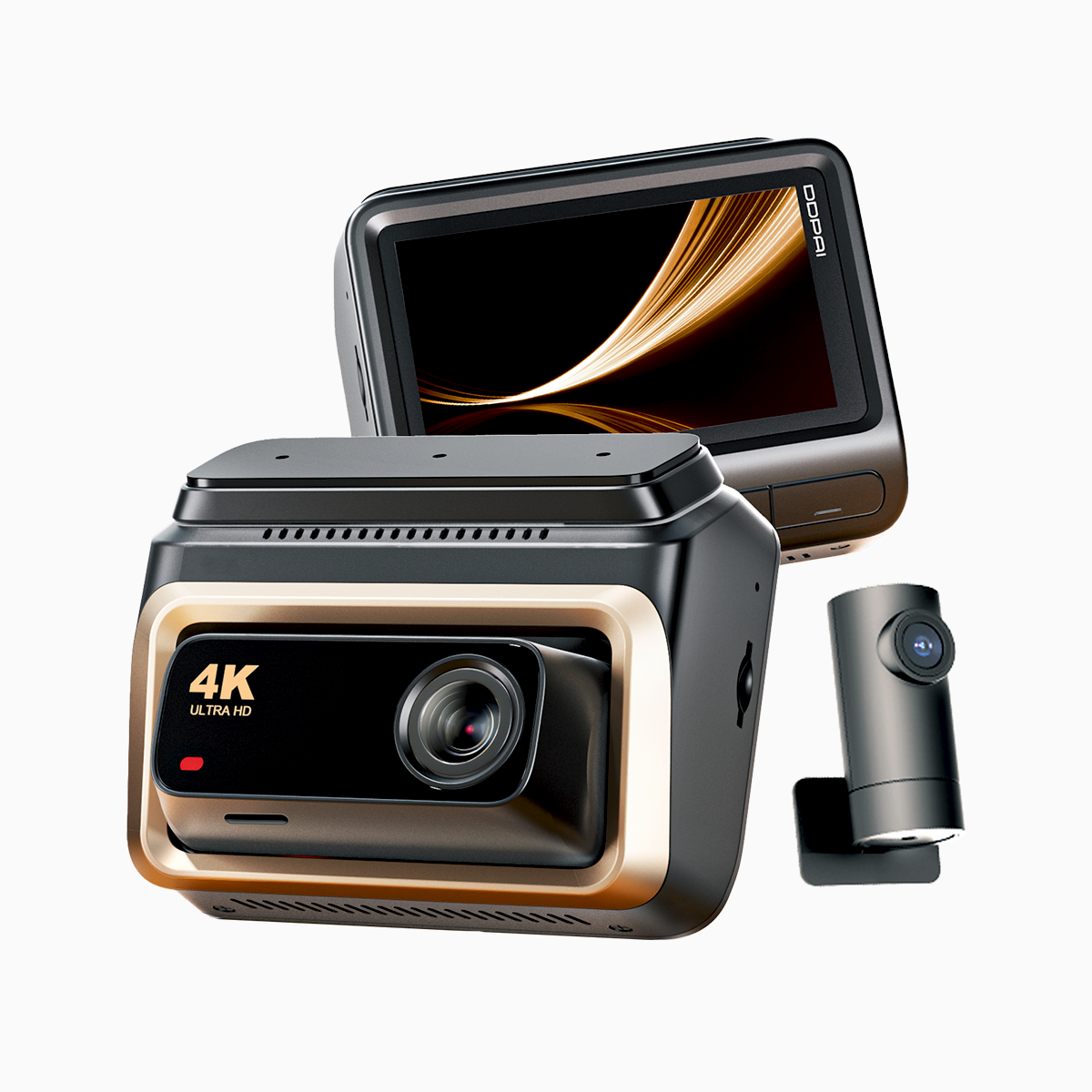
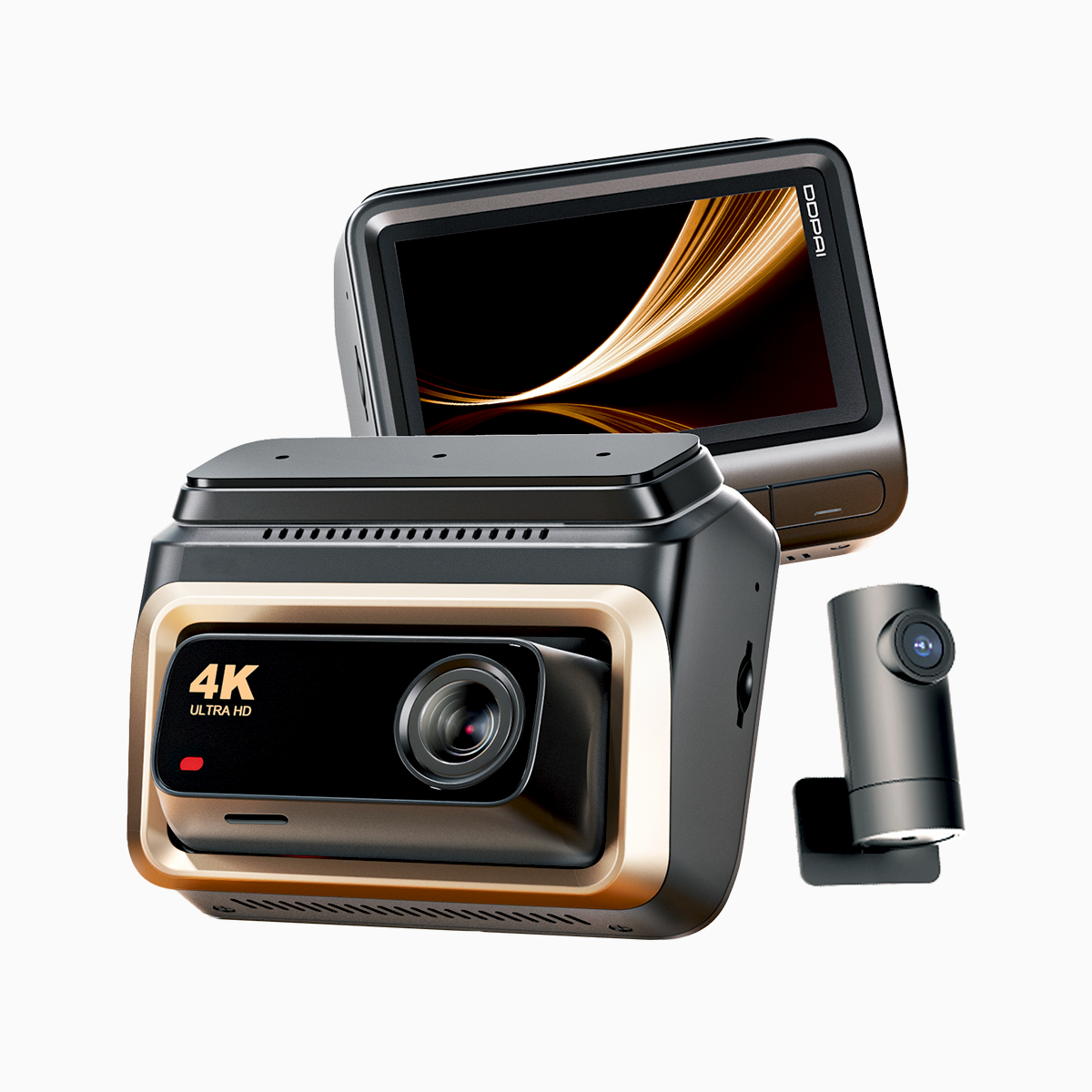
A 3‑camera rig pairs a 4K front sensor with side and rear perspectives. The front gets the highest resolution and bitrate for plate capture; side modules catch cross‑traffic and blind‑spot incidents; the rear preserves what happens behind you. Key features to watch: HDR/WDR for contrast balance, a stable frame rate for motion clarity, and parking mode for after‑hours events. Proper mounting angles and synchronised timestamps are equally important — without them, multi‑camera footage won’t stitch into a reliable sequence.
Installation and settings that actually matter
Correct placement beats a higher megapixel count every time. Mount the front camera at a central height with a minimal tilt to avoid sky clipping. Calibrate exposure and enable WDR or HDR for mixed‑light scenes. Set a bitrate that keeps fine details: low compression yields legible characters at distance. Choose 30 fps for urban driving and secure a stable power line for parking mode. Small wiring errors will bite you later — and yes, a loose mount will blur a plate on impact, so tighten those screws.
Common mistakes drivers make — and how to avoid them
Drivers often assume more megapixels equals better evidence. That’s not the whole story. Mistakes to avoid include: mounting too low or too high, leaving default exposure on auto without testing at night, ignoring firmware updates and choosing aggressive compression to save storage. Also, don’t forget to test multi‑camera sync after installation — if timestamps drift, the narrative breaks. Take a quick recorded drive down a familiar stretch to verify clarity before you rely on the system.
Comparing alternatives and a short checklist
Single‑camera systems are cheap but limited. Dual setups add rear coverage yet still miss lateral incidents. A 3‑camera 4K system is the middle ground for robust evidence without fleet‑grade complexity. Quick checklist: – Confirm HDR/WDR support. – Verify minimum bitrate and frame rate. – Check parking mode and timestamp accuracy. If you want local availability and support, consider brands with a Philippine presence for service and warranty — that’s often decisive.
Three golden rules for evaluation
Choose by these metrics: 1) Evidence fidelity — confirm readable plates at typical urban speeds and under shadow contrast; 2) System reliability — stable timestamps, firmware updates and secure power for parking mode; 3) Local support — warranty, spare parts and regional service. When those three align, you’ve reduced most downstream headaches. Practical tests and a clear maintenance plan complete the selection process; naturally, local dealers simplify follow‑up, as I’ve seen in Manila garages where parts and service save days of downtime — DDPAI PH. —