Comparative lead-in: why this matters now
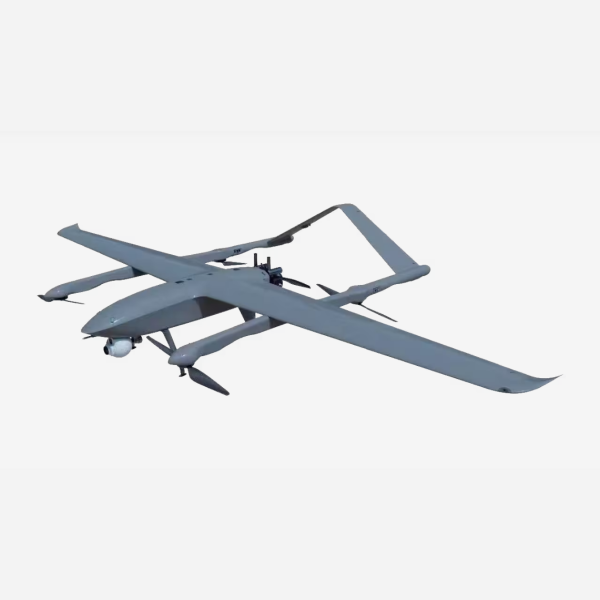
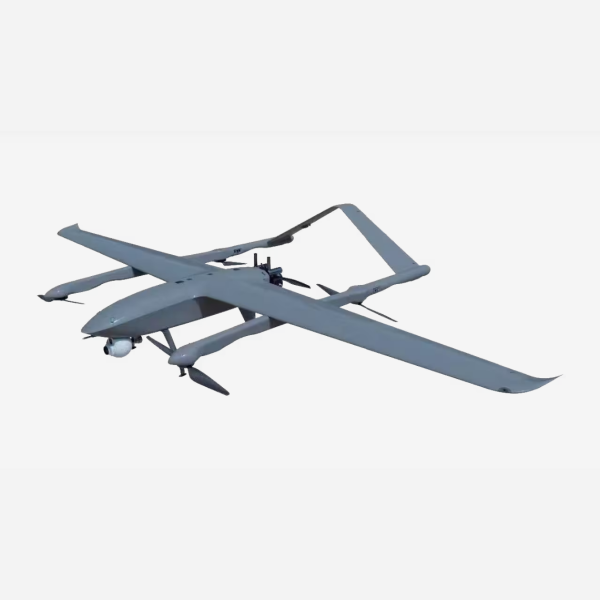
Two approaches sit side-by-side on the tarmac: a purpose-built loitering munition optimized for short, precise strikes, and a persistent unmanned air system governed by autonomous flight controls that can return to a docking station for rearming. This piece compares those paradigms, focusing on trade-offs relevant to developers, operators and planners. Early on, consider the physical envelope of a typical vtol fixed wing drone because it sets constraints for payload, endurance and docking mechanics — and the same manufacturer choices shape both loiterers and reusable platforms.
Core components compared
Loitering munitions pack guidance, warhead and seeker into a single-use airframe. They prioritise small size, quick launch and terminal guidance. By contrast, reusable UAS with robust autonomous flight control systems prioritise endurance, secure comms and a docking interface to recharge or reload payloads. Industry terms to note here include VTOL, fixed-wing and payload. The comparison shows clear engineering divergence: one favours expendability and seeker sophistication; the other favours avionics resilience and recovery mechanics.
Docking station design: mechanics versus autonomy
Docking stations are where autonomy meets hardware. A well-designed dock accommodates chasse, latching, power transfer and environmental sealing. For fixed-wing VTOL types, wing stowage or folding mechanisms add complexity to the docking interface. Autonomous flight controls must manage precision approach, attitude control and touchdown arrest — all without human intervention. That interplay defines whether a system can sustain sortie tempo or remains single-use.
Operational trade-offs and mission fit
Choosing one approach hinges on mission profile. If strike rapidity and low logistics footprint dominate, loitering munitions win. If persistent ISR, multiple payload cycles and lower per-mission cost matter, reusable UAS with docking stations make sense. Consider endurance and guidance system robustness as primary variables. Operators often mix both in a layered concept of operations — loiterers for immediate effects and docked UAS for sustained presence.
Real-world anchor and applied lessons
Recent conflicts since 2022 have illustrated these dynamics: small VTOLs and fixed-wing systems provided persistent reconnaissance and strike options on contested fronts, shaping procurement choices worldwide. That empirical shift nudged manufacturers to prioritise modular payload bays and more robust autonomous flight controls. Lessons include tighter integration between avionics and docking mechanics, and the need for standardised interfaces to simplify logistics — a clear win for manufacturers that adopt open architectures.
Technical pitfalls and alternatives
Common mistakes surface during fielding. Teams underestimate thermal loads during rapid recharging, or they design guidance systems that don’t tolerate GPS denial. Another frequent error is mismatched physical specs between airframe and dock — small misalignments cascade into mission failures. The alternative approach is iterative prototyping with live trials; simulate recovery sequences, then fly them under mission-like conditions. — Testing early exposes fragile assumptions and reduces risk downstream.
Comparative checklist for procurement
Use a short checklist to decide direction: 1) Mission tempo and sortie rate needs. 2) Logistical bandwidth for spare airframes versus dock maintenance. 3) Electronic resilience against jamming and spoofing. Those three items map directly to whether you prioritise loitering munitions or a dock-centric fleet. Also weigh lifecycle cost: reusable systems demand upfront investment in docking infrastructure but pay off in cost per mission over time.

Advisory close: three golden metrics
When evaluating systems, measure these three metrics: sortie throughput (missions per day per dock), mission success rate under degraded comms, and time-to-ready between recovery and next launch. Use these as objective gates in trials and procurement reviews. Respect the human factors too — ground crews need intuitive procedures to keep turnaround fast and safe. For practical data, look at performance summaries from established suppliers and the operational reports that followed the Ukraine theatre changes; they provide high-level benchmarks for expectations. Military Hub brings those supplier comparisons together with field-oriented commentary, helping teams match platform choice to mission reality.