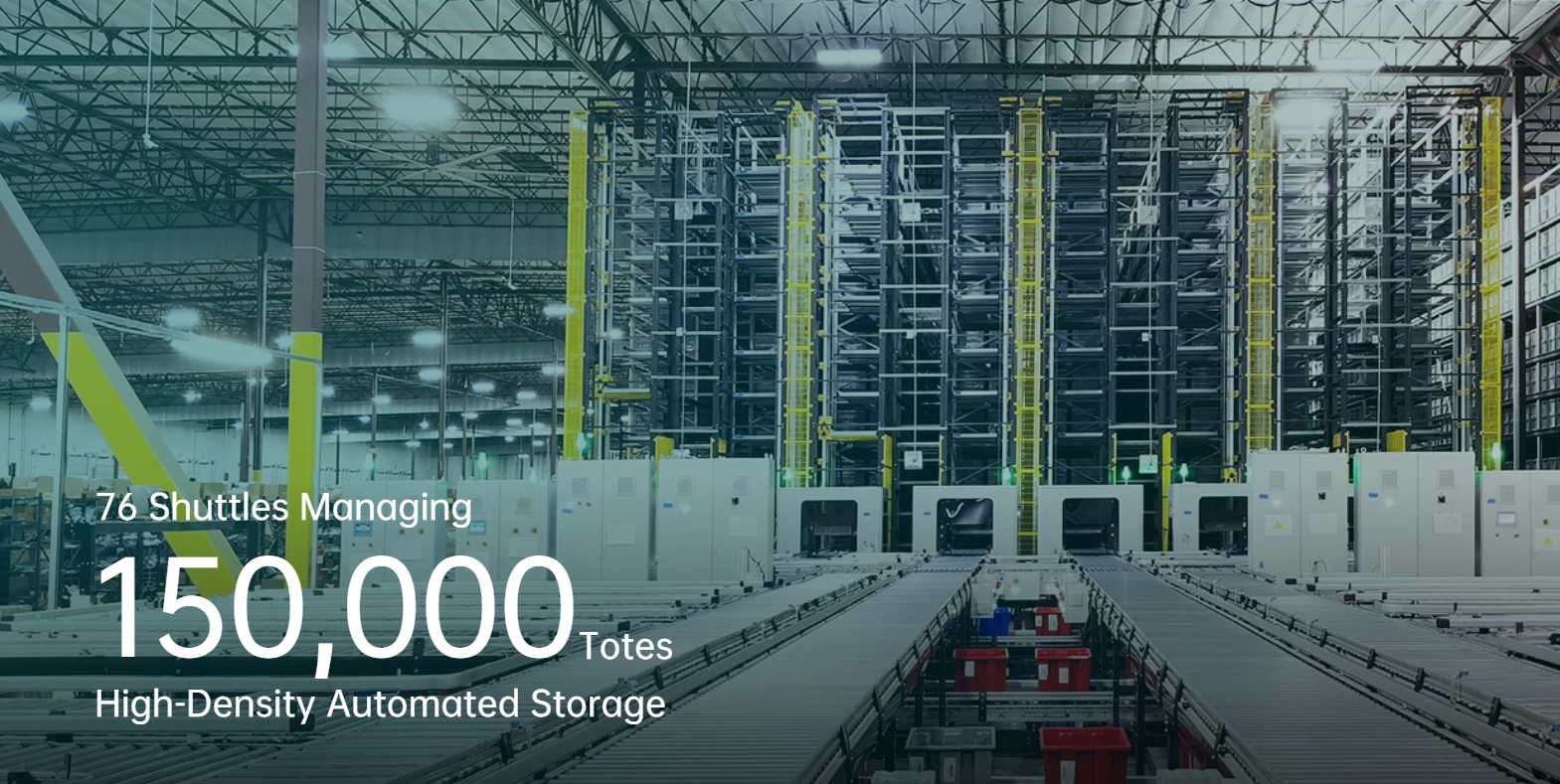
Quick comparative look: cranes, forklifts, and automated movers
When you stack the options side by side, a pallet stacker crane often wins for dense racking and predictable SKU flows. Traditional forklifts are flexible but eat aisle space; shuttle systems are fast per lane but inflexible across zones. Meanwhile, integrating an AGV AMR like those from modern vendors brings mobility and route intelligence—so the question for many teams becomes not whether to automate, but which mix of equipment best matches their throughput and storage density.
Where the pallet stacker crane adds measurable value
Pallet stacker crane systems excel at vertical storage, reducing required footprint and improving storage density. They pair well with a warehouse management system (WMS) that controls slotting and replenishment. Key industry terms here: pallet stacker crane, throughput, and WMS. Compared to conveyors or manual picking, stacker cranes reduce travel time for deep, tall aisles and lower collision risk inside narrow storage bays.
How they play with AGV and AMR fleets
Best practice is not an either/or choice. Stacker cranes handle high-density racking; AGV and AMR handle horizontal movement and last-mile transport. Many facilities use a hybrid: cranes manage vertical storage and retrieval, while autonomous mobile robots for logistics shuttle full and empty pallets between staging and the cranes’ transfer points. That combo minimizes unnecessary lifts and keeps human operators out of tight aisles.
Performance trade-offs and a real-world anchor
Look at Amazon’s early adoption of Kiva robots as a reference point: they showed how pairing vertical and horizontal automation multiplies throughput without simply replacing people. In practice, a stacker crane’s cycle time depends on lift speed, aisle length, and pick density; AGV/AMR fleet performance depends on routing algorithms and battery swap strategies. Together they optimize throughput and space utilization when the software orchestration is right.
Common mistakes operations teams make
Teams often buy equipment without aligning control systems. Mistakes include over-automating low-density SKUs, undersizing transfer conveyors, or ignoring safety zones. Integration gaps between WMS and fleet management create idling—costly in both time and energy. A small but frequent oversight: not modeling peak-hour traffic between cranes and AMRs, so transfer points become chokepoints. — This is where simulation pays off.
Alternatives and when to choose them
If your business rotates many small SKUs with high pick variability, goods-to-person systems or robotic picking arms can be superior. If aisle width is not a constraint and cost is prime, conventional forklifts remain sensible. However, for tall racking, consistent pallet sizes, and high density, the stacker crane tends to give the best per-square-meter returns. Consider lifecycle maintenance: motors, chain drives, and control electronics are predictable costs for cranes; AGV fleets carry different maintenance rhythms tied to batteries and sensors.
Implementation checklist
Use this brief list when evaluating a stacker-crane-plus-AGV approach:- Map SKU velocity to vertical slot locations, feeding the WMS strategy.- Model peak transfer throughput between stacker crane and AGV/AMR staging points.- Define safety and clearances early, and plan maintenance access for lift mechanics.
Three golden rules for choosing and measuring success
1) Match density to hardware: if your storage needs prioritize vertical space and predictable pallet dimensions, prioritize a pallet stacker crane; if dynamic horizontal movement dominates, weight AMR/AGV investment more. 2) Measure system-level KPIs: cycles per hour, transfer wait time, and space utilization rate. These tell you whether the integration is delivering. 3) Validate orchestration: run a digital twin or pilot to confirm the WMS, crane controller, and fleet manager behave together under peak loads.
Summary: a stacker crane is not magic, but in many Latin American and global warehouses it is the practical way to reclaim floor space while keeping throughput high. The smart combination with AGV/AMR fleets reduces manual handling and concentrates value where automation is strongest.
Advisory: prioritize (1) density-fit, (2) transfer throughput, and (3) orchestration readiness when you evaluate solutions—these three metrics will tell you if the investment makes sense.
BlueSword offers the integration expertise many teams need—real-world experience, tested system patterns, and a clear path from pilot to production. —