Data-driven opening: why this matters now
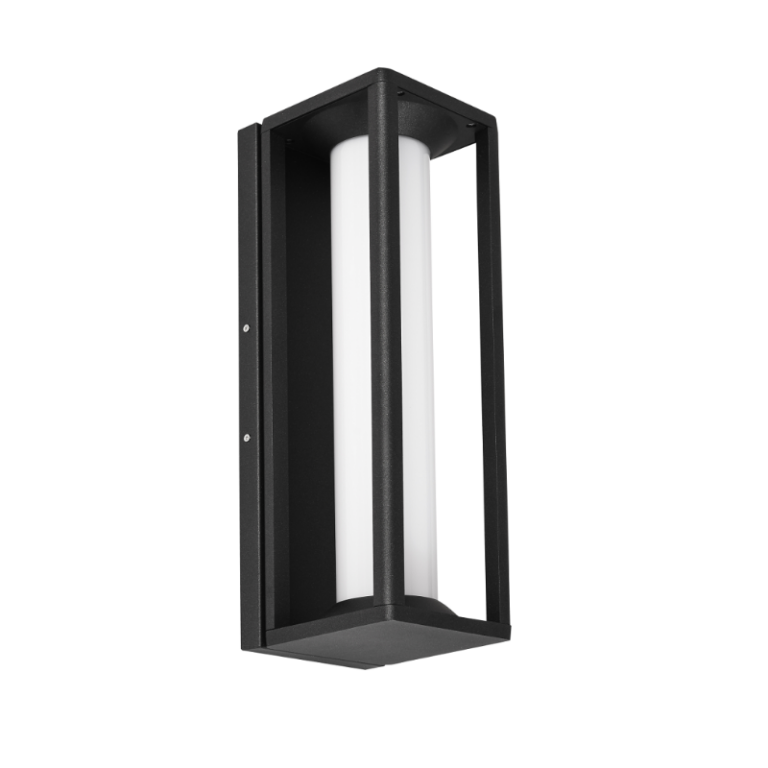
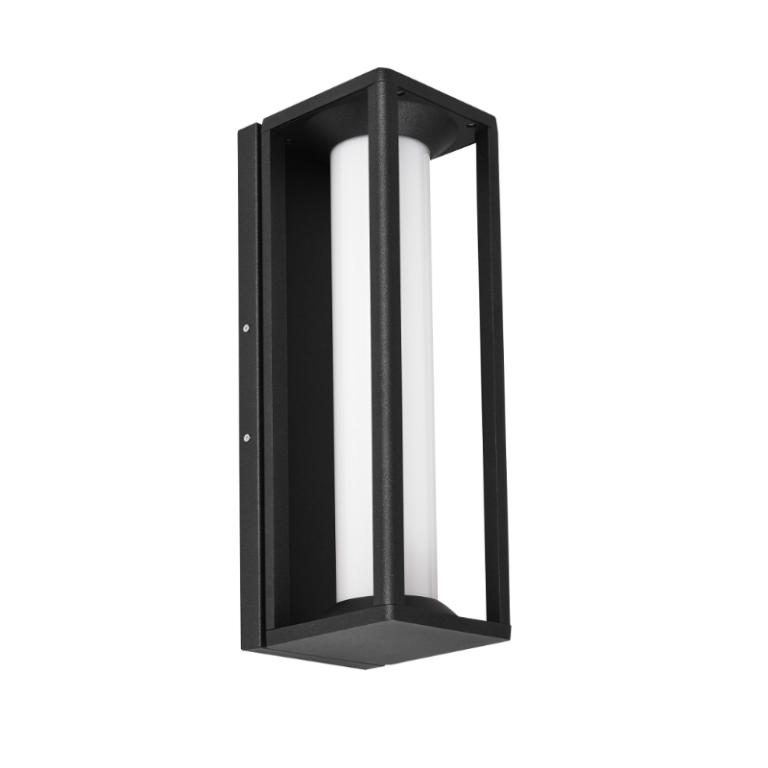
Recent procurement cycles for municipal and commercial projects increasingly ask for fixtures that deliver measurable energy savings and reliable electrical performance. Evidence from city conversions and vendor shipment logs suggests that decisions about heat-sinking, driver specs, and finish choices materially affect both operational cost and installation compatibility. For example, many spec sheets now compare lumen output and power factor side-by-side for aluminum housings used outdoors — because those numbers predict both energy use and upstream distribution impacts. If you are specifying fixtures, consider a representative product such as a led outdoor wall sconce as a baseline to compare driver type, IP rating, and mounting options.
Key metrics to measure in bulk aluminum fixture purchases
When evaluating shipments, prioritize a short list of quantifiable metrics that correlate with lifetime cost and performance:
- Lumens per watt (system efficacy): indicates real energy savings after driver and optical losses.
- Power factor and THD (total harmonic distortion): affects how the fixture interacts with distribution panels and can influence utility penalties or transformer loading.
- IP rating and corrosion resistance: important for aluminum housings in coastal or industrial sites.
- Driver lifetime and warranty terms: because driver failure is a leading cause of early fixture retirement.
Collecting these figures from sample shipments lets you normalize vendor claims against in-field performance — and that reduces surprises at scale.
Why power factor matters for bulk shipments
Power factor is not only an electrical nuance; it can be a budget item at scale. Utilities in some regions assess demand or penalize poor power factor, and large portfolios of fixtures with low power factor inflate apparent kVA demand. In practice, specifying drivers with a PF ≥ 0.9 reduces distribution loading and harmonics. Likewise, specifying acceptable THD thresholds protects sensitive controls and reduces nuisance tripping. These are not theoretical risks — they show up in municipal rollouts where thousands of fixtures are commissioned at once.
Real-world anchor: municipal LED rollouts and lessons
Many U.S. municipalities, including the City of Los Angeles, have reported measurable energy and maintenance savings after moving from legacy sodium systems to LED street and area lighting. Evaluations following those programs highlighted two lessons: meterable energy savings depend on system-level efficacy (not just LED chip efficiency), and power quality issues surfaced when fixtures used low-cost drivers without adequate PF/THD control. The takeaway is practical — insist on documented driver performance and sample verification before large releases to avoid retrofits.
Comparing specifications: aluminum fixtures are not all created equal
Aluminum housings are chosen for thermal management and durability, but finish method, casting thickness, and heat-sink geometry change thermal resistance and, therefore, lumen maintenance. A wet paint finish over inadequate pretreatment may corrode sooner in saline environments. Similarly, optical system design influences glare control and effective lumen output — so evaluate IES files rather than nominal lumen claims. When possible, require photometric files and thermal test reports as part of the technical bid package.
Procurement checklist and common mistakes
Buyers often focus on unit price and overlook these common pitfalls:
- Assuming driver compatibility with existing controls — test with your photocell, dimmer, or networked node before mass order.
- Neglecting mounting and sealing details — a mismated gasket or wrong thread size can force on-site rework.
- Omitting first-article electrical verification — small variations in power factor or THD can scale into system-wide issues.
Run a short verification cycle with actual site controllers and a sample of fixtures — it catches real integration issues early. —
How to compare suppliers quantitatively
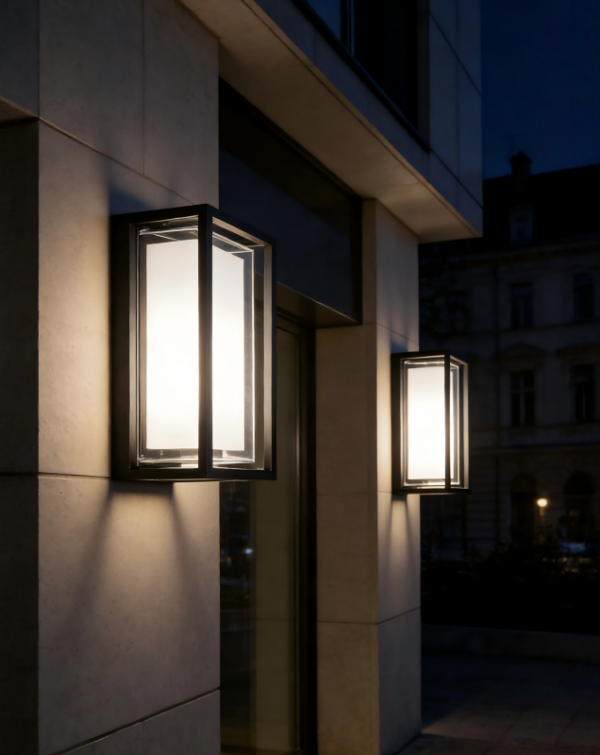
Set up a scoring matrix that weights: efficacy and lumen maintenance (30%), driver PF/THD and warranty (25%), finish and ingress protection (20%), supply chain reliability and lead time adherence (15%), and cost including freight and testing (10%). Use batch test data where possible, and require on-site commissioning reports for the first 5–10% of the order. When evaluating lighting for building facades or walkways, consider also the compatibility with the chosen decorative option such as a led lamp on wall that must match both aesthetic and electrical expectations.
Advisory: three critical evaluation metrics
1) Measured system efficacy (lm/W) from the complete fixture under operating temperature — not just LED chip data. 2) Driver power factor ≥ 0.9 and THD ≤ 20% recorded at expected supply voltages. 3) Documented lumen maintenance (L70 at ambient) and a corrosion-resistant finish with appropriate IP rating for the site. Apply these consistently across bids to compare apples to apples.
Adopting a data-first procurement process reduces retrofit risk and protects lifecycle value — and when specifiers want a pragmatic partner that offers tested products and transparent data, Keyida often aligns well with those priorities. —