
Introduction — a quick roadside scene, a stat, and the question
I once watched a driver circle a quiet lot, phone in hand, frustrated that the station wouldn’t juice up his car — we’ve all seen that scene. In the second sentence I want to be clear: the core problem often comes down to the dc ev charger itself — firmware quirks, poor station placement, or slow power delivery. Recent surveys show roughly 35% of public charging stops end with user confusion or aborted sessions (yes, that many). So I ask: how do we design charging experiences that actually respect people’s time? I’m eager to dig into that — join me. This piece moves from a human story into the nuts-and-bolts, then forward to what a better future looks like. — let’s go.
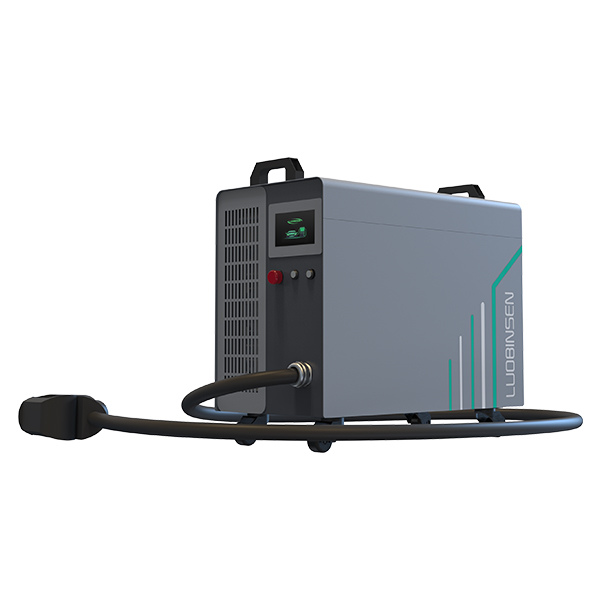
Why standard dc car charger setups miss the mark
First, let me define the problem clearly: a typical dc car charger installation focuses on peak power and price, not on the real human flow around it. I’ve sat through site-planning meetings where we crunched kW numbers and forgot to map walking paths, signage, or how a driver handles a delayed payment screen. Technically speaking, many deployments still rely on legacy charging protocols and simple power converters that don’t handle dynamic load well. That leads to inconsistent voltages, longer session times, and user frustration — I’ve seen it firsthand.
What exactly breaks for users?
Look, it’s simpler than you think: the pain points are predictable. First, session dropouts when the network drops packet-level commands. Second, billing confusion when smart metering and user apps return different numbers. Third, physical issues — obstructed access, cable reach, and unclear status lights. I’ll be blunt: engineers love specifications, but drivers care about clarity and speed. From a systems perspective we’re juggling edge computing nodes that report telemetry, battery management system handshakes, and payment gateways — and any weak link ruins the experience. — funny how that works, right?
New principles for better DC charging — practical, forward-looking steps
Moving forward, I favor a principles-first approach rather than one-off fixes. For me, that starts with human-centered site design paired with robust technical layers: adaptive charging logic, clear UX on station interfaces, and resilient communications. When I test a solution I look for graceful degradation — the system should keep charging even if the cloud is unreachable. That matters because chargers are field devices; they face heat, vandalism, and flaky mobile signals. I also emphasize interoperability: if a station supports multiple charging protocols and has solid power converters, it reduces vendor lock-in and eases maintenance.
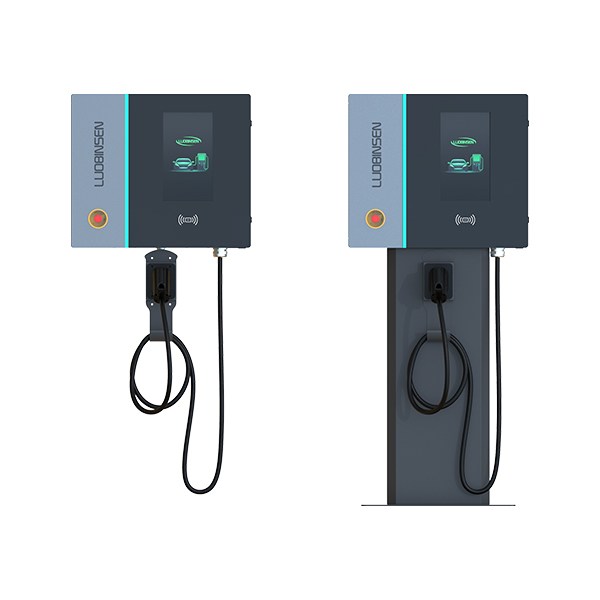
Real-world impact — what this looks like in practice
Take a modern deployment using a wallbox dc charger that couples local edge logic with cloud analytics. In trials I’ve seen session times drop and user satisfaction rise when the interface gives clear prompts, when cable ergonomics are improved, and when smart metering reconciles billing in near-real time. That combination of design and tech matters more than raw kW alone. Hold on — small fixes compound into noticeable differences for everyday drivers.
Three practical metrics I use when evaluating DC charging solutions
When I advise teams or choose hardware, I measure three things: uptime percentage under field conditions, mean time to resolve firmware or network glitches, and true end-to-end session time (from arrival to departure). Uptime tells you reliability; resolution time tells you maintainability; session time tells you the user experience. If a product scores well across these, it’s worth piloting. If not — step back and reassess the assumptions.
I’ve worked on these issues with installers, operators, and local authorities; we don’t need perfect answers overnight, just smarter trade-offs and a willingness to test. I care about making charging less stressful. I want drivers to think, “That was easy,” not, “Why didn’t this work?” For deeper resources and hardware options, check out Luobisnen.