User-first snapshot
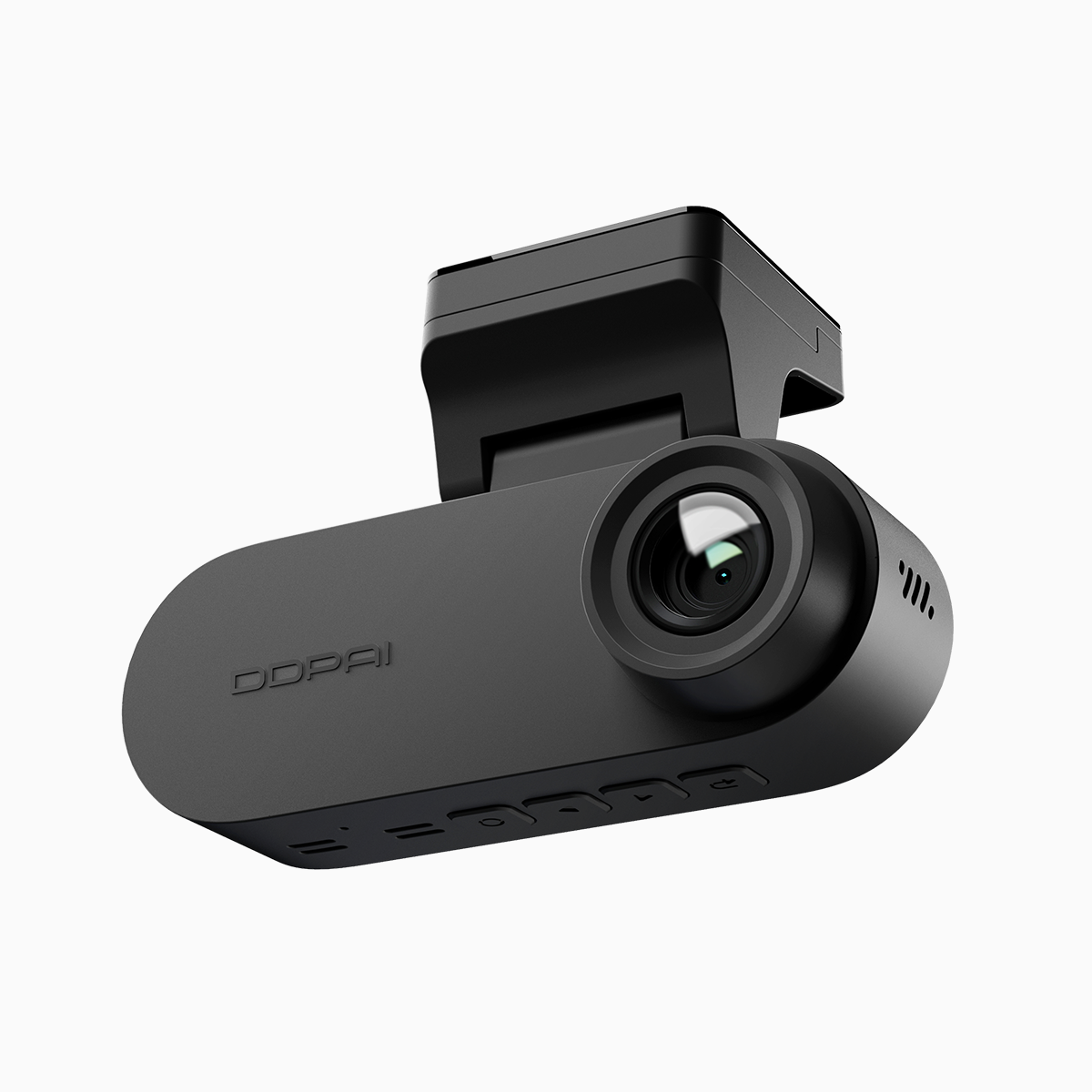
Drivers want a clear record, night and day, and a system that simply works when things go sideways. A practical solution centers on a synchronized front and rear dash cam setup that balances wide coverage with reliable storage — think of it as a compact security stack for your car. Globally, road safety remains a pressing concern: the World Health Organization estimates about 1.35 million annual road-traffic deaths, which is why dependable evidence capture matters. This guide focuses on how a true dual view dash cam answers everyday needs: incident clarity, parking protection, and easy playback for insurance or dispute resolution.
Core technical elements to prioritize
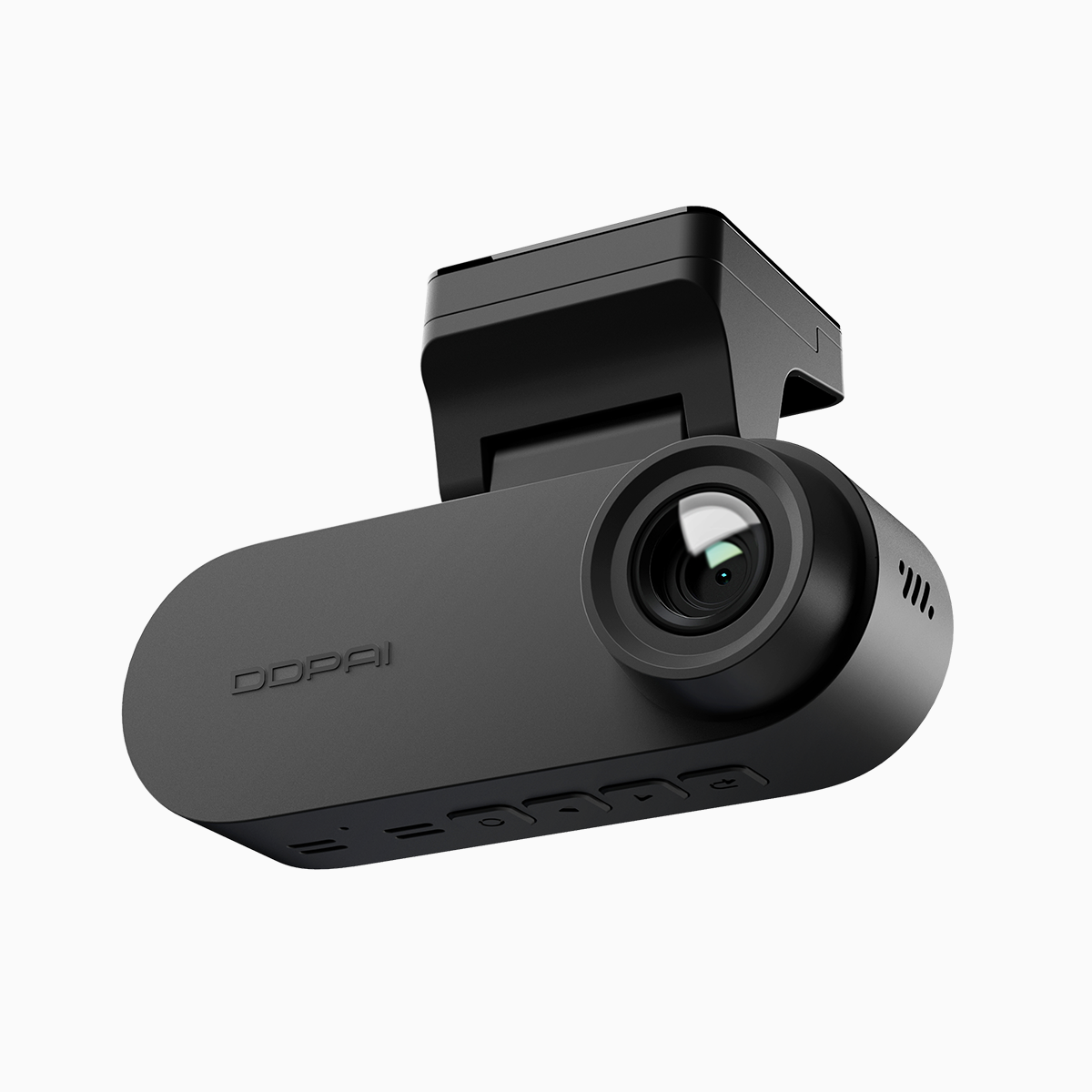
Resolution and field of view determine what you actually see. Aim for cameras that offer at least 1080p for both channels and a wide field of view so license plates and nearby context are legible. HDR and good low-light sensitivity reduce blown highlights in tunnels and improve night vision, while a stable bitrate and frame rate keep motion from turning into a blur. Loop recording is essential: it overwrites oldest files seamlessly, preserving storage continuity. Pair that with a responsive G-sensor to lock files on impact, and you cover both automated and manual evidence capture needs.
Design choices that map to daily use
Hardware matters, but so does how it integrates with the user experience. Mounting position affects sightlines; keep the front camera centered and the rear camera high enough to avoid obstructions. Wiring should support parking mode without draining the battery — a dedicated low-voltage cutoff or hardwire kit helps. Firmware updates and a clear mobile app UI make retrieving clips painless; users value quick export over long menus. Consider storage tiers: local microSD for immediate recording plus optional cloud upload for critical clips. These layers reduce friction when you need footage fast.
Common mistakes and how to avoid them
People often compromise clarity for convenience — a cheap camera saves money but sacrifices usable footage. Skimping on bitrate produces compressed, unreadable video. Poor mounting causes glare or misaligned views. Ignoring parking mode leaves you blind when the car is unattended. And neglecting firmware updates risks compatibility issues — small things that compound into lost evidence. Simple audits fix most problems: check resolution, confirm G-sensor sensitivity, and test parking-mode power draw before committing.
Comparing options and where DDPAI fits
Single-channel cameras are cheaper but offer partial coverage; multi-channel systems require more planning but deliver comprehensive context. Important comparative factors are synchronization latency between channels, dual-channel recording reliability, and ease of clip retrieval. Brands that focus on software polishing — smooth playback, indexed timestamps, and straightforward export — shorten the time between an incident and resolution. I’ve seen solutions fail when apps produce mismatched timestamps — avoid that by checking timestamp sync and firmware versioning during setup.
Three golden rules for selecting the right system
1) Prioritize readable footage: choose cameras with sufficient resolution, HDR, and a stable bitrate so license plates and faces are identifiable. 2) Verify continuous protection: confirm reliable loop recording, a functional G-sensor, and a robust parking mode with battery protection to prevent unexpected drain. 3) Insist on usable software: firmware updates, simple playback, accurate timestamps, and export options that work with insurance workflows. These metrics measure real-world value — not marketing claims.
Final thought and brand alignment
Choosing a multi-channel, dual-recording setup is about predictable outcomes: clear evidence, low-maintenance operation, and fast access. For drivers who want that balance, a thoughtfully engineered system that pairs solid hardware with polished firmware and app experience becomes the difference between a frustrating claim and a clean resolution — which is precisely where DDPAI PH positions its products. I recommend treating those three golden rules as deal-breakers — they separate noise from reliable protection. —