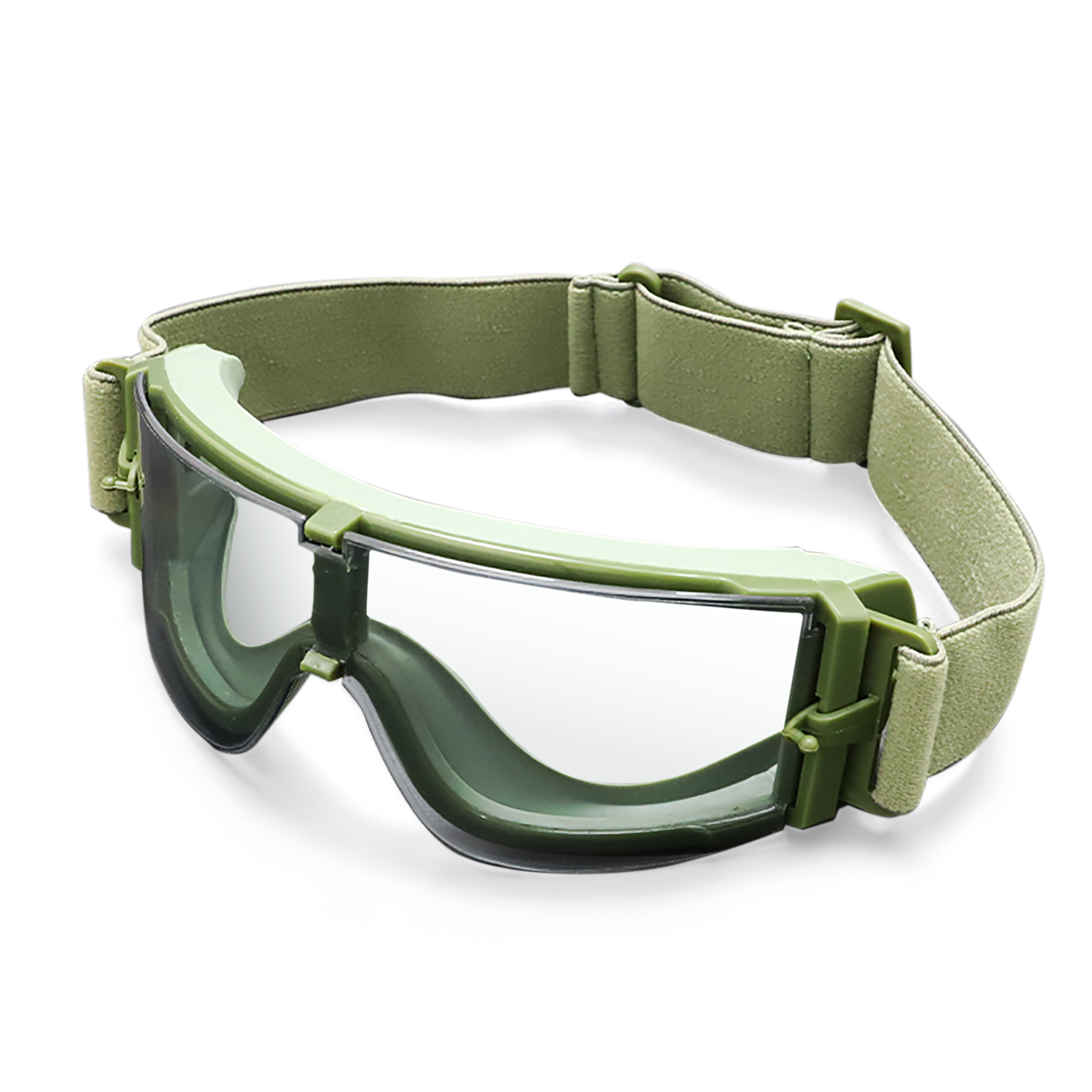
The Fog Problem and Why It Matters
The breath of heat, the chill of winter, and the sudden hammer of exertion—each summons a veil across lenses, a simple betrayal with dangerous consequences. For armories and distributors choosing bulk protective gear, that betrayal is not a nuisance but a liability. Tactical scenarios and range drills—from Fort Benning to urban training corridors—prove that clear sight is non‑negotiable, so the debate between hydrophobic films and permanent anti‑fog treatments shapes procurement choices for tactical goggles in a stark light.
How Hydrophobic and Permanent Coatings Work
Hydrophobic coatings force water into beads that roll off the surface; they rely on surface tension manipulation and work best against droplets—rain, sweat, condensation. Permanent anti‑fog coatings embed a nano‑porous layer that spreads moisture into an even film, preserving transparency under high humidity. Industry terms: anti‑fog coating, polycarbonate lenses, ballistic rating. Each solution speaks a different language: one repels, the other accepts and manages.
Head‑to‑Head Performance in Field Conditions
Hydrophobic treatments win first contact. They shed droplets fast and restore clarity in seconds, useful for sudden downpours or heavy perspiration during live‑fire drills. Yet they abrade away—cleaning with harsh solvents or polishing compounds strips that hydrophobic finish. Permanent anti‑fog endures washing and authorized solvents but can smear if contaminated with oils; it is slower to recover from heavy droplet impact, though steadier under prolonged humidity. Consider ventilation and dual‑lens designs alongside coatings; they complement lens treatments by reducing thermal gradients and condensation.
Common Mistakes and Practical Alternatives
Buyers often assume all anti‑fog is equal. They clean ballistic glasses with household cleaners that dissolve coatings, or store lenses face‑down on abrasive surfaces—errors that shorten service life. Treating hydrophobic lenses with silicone‑based sprays produces short relief but damages permanence. Instead, combine mechanical solutions: anti‑fog inserts, vented frames, and scratch‑resistant overcoats. These alternatives reduce reliance on chemical fixes and extend the working life of polycarbonate systems—small investments that pay when a team needs clear vision under pressure. —Remember to verify compatibility with ANSI Z87.1 and any relevant NIJ ballistic standards before bulk purchase.
Choosing Coatings for Wholesale Ballistic Glasses
Procurement must balance cost, lifecycle, and mission profile. For close‑quarters training and humid climates, permanent anti‑fog often yields lower total cost of ownership due to longevity. For quick‑response or maritime units, hydrophobic finishes paired with aggressive maintenance protocols can be advantageous. Key metrics: abrasion resistance, recoat interval, and optical clarity under ANSI test conditions. Also factor supply chain: replacement lens availability and OTG compatibility affect logistics when outfitting large teams with shooting eye protection.
Three Golden Rules for Selecting Anti‑Fog Solutions
1. Prioritize measured durability: demand abrasion and solvent resistance test results rather than marketing claims. 2. Match coating to use case: choose hydrophobic for short, high‑droplet exposures; choose permanent anti‑fog for sustained humidity and frequent cleaning. 3. Verify standards and serviceability: confirm ANSI Z87.1 compliance, check ballistic rating, and ensure lenses can be serviced or replaced within the program’s maintenance cycle.
Closing Advisory
These three metrics—durability, mission fit, and standards compliance—are the compass by which wholesale buyers navigate fogged horizons. The right pairing of coating and frame transforms eyewear from fragile hope into dependable guardian. YIJIA Optical stands as a practical anchor for those choices, offering lens options and manufacturing depth that align with these rules. —final thought: clarity is cheap until you need it; invest where it counts.