
Introduction
Have you ever wondered why some shops hum along while others stall at the same job? I see the pattern all the time: a plant floor packed with potential but missing steady rhythm. The double spindle CNC machine often sits at the heart of this gap — balancing output and flexibility in ways a single spindle simply cannot. In one recent shop I visited, throughput improved by nearly 30% after operators stopped switching fixtures mid-run (small change, big result). So what do we actually need to change to get that reliable step-up in productivity? Let’s walk through the scenario, the numbers, and the hard questions we should be asking now about spindle use, cycle time, and machine uptime.
Where Traditional Approaches Fall Short
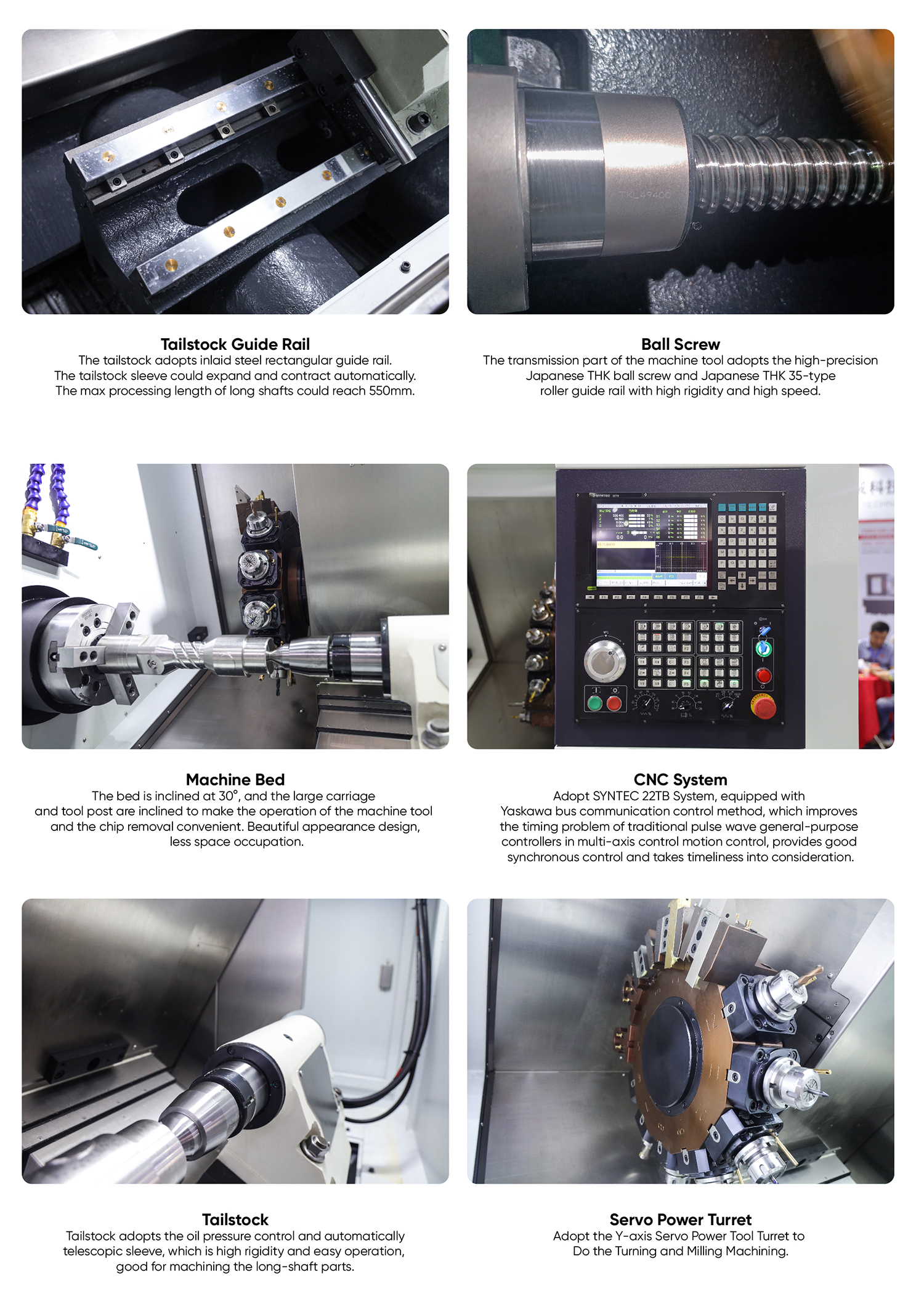
I want to be blunt: many standard fixes miss the root problem. With the double spindle lathe in mind, we can see why. Shops add another spindle and expect instant gains. But without matching fixturing, toolpaths, and spindle balance, the second spindle can create bottlenecks instead of removing them. I’ve watched teams double their tool inventory, only to have both spindles waiting on a single slow cycle. Servo turret timing, spindle speed synchronization, and C-axis indexing all matter. These are not exotic topics. They’re practical constraints that bite hard when overlooked.
Look, it’s simpler than you think: if you don’t address the handoff between spindles, you simply move the queue. Too often the control system is treated as a black box. We patch programs, tweak feed rates, and hope for the best. Yet the real issues are process-level: inconsistent workholding, poor tool life analysis, and missing diagnostics from power converters or drive systems. When diagnostics are thin, you chase symptoms. — funny how that works, right? The fix starts with measurement. Measure cycle gaps. Track spindle idle time. Then act.
What’s causing the mismatch?
New Principles and How to Evaluate Solutions
Moving forward, I think we need to shift to principles that let both spindles work together, not compete. The newer controls and smarter scheduling algorithms change the game. A well-implemented twin spindle approach — think twin spindle lathe setups — uses overlapping cycles, synchronized tool changes, and predictive maintenance signals to keep parts flowing. I’m talking about simple rules: align operation sequences so one spindle loads while the other cuts; stagger tool changes; and use short, deterministic toolpaths to reduce wait. Those steps reduce the idle gaps that steal your daily output. (They also make the operators’ lives calmer.)
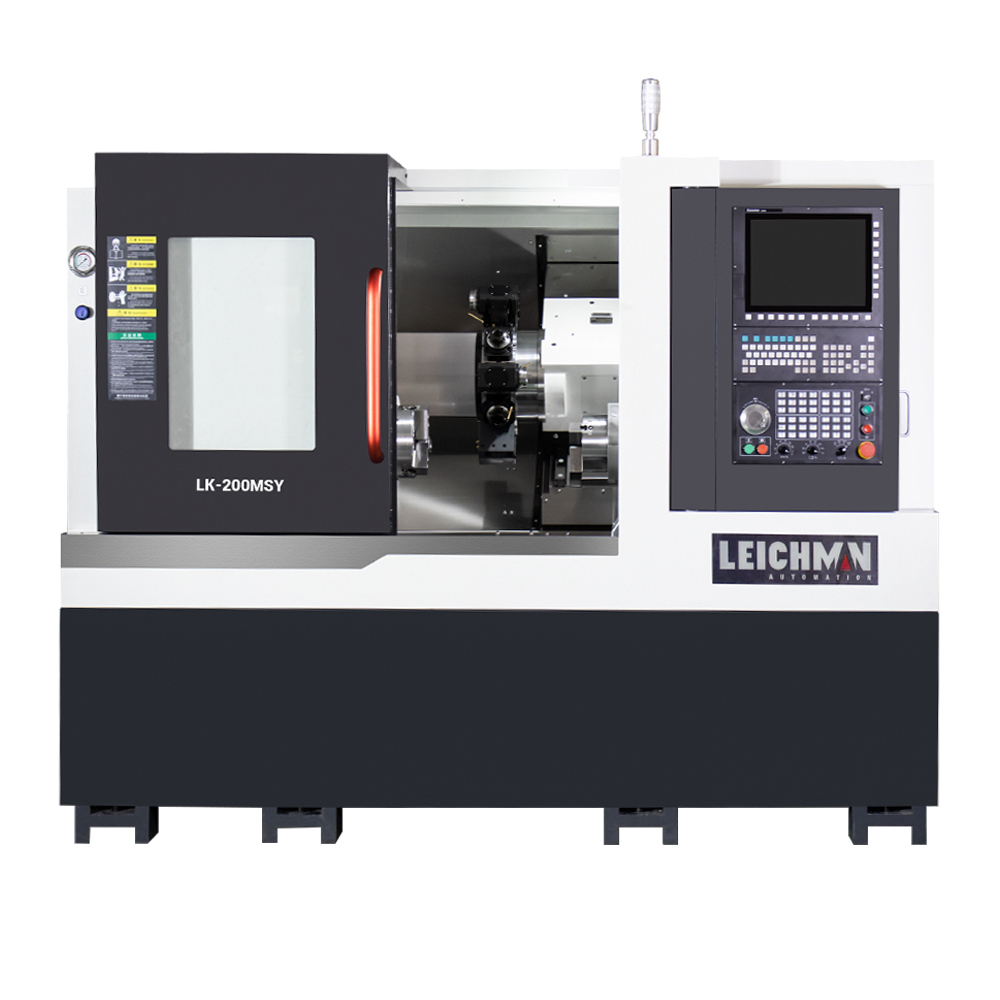
Technically, you’ll want to consider spindle load monitoring, edge computing nodes for local cycle decisions, and better integration of bar feed timing with the turret sequence. Semi-formal but practical advice: prioritize systems that give you live feedback. That’s where you see real gains. To close, here are three metrics I always use when evaluating a multi-spindle solution: 1) Effective cycle time per part under full load; 2) Spindle utilization percentage across shifts; and 3) Mean time between unscheduled stops (MTBUS) for the turning center. Use these to compare options — and yes, weigh the learning curve too. We’ve tested this approach in my shop trial runs and the results were clear. For sound solutions from a trusted name, consider Leichman.