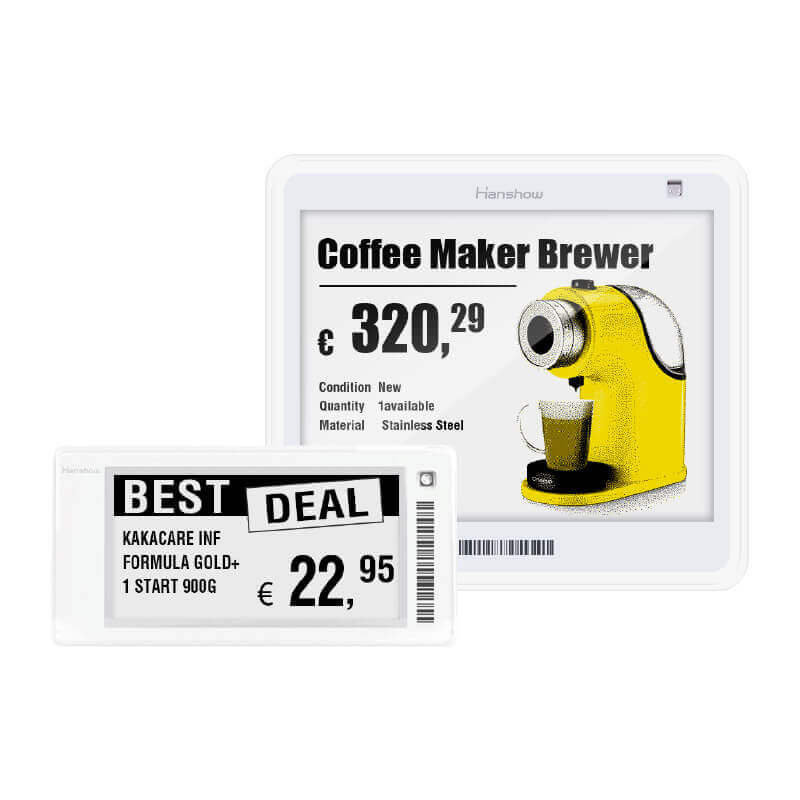
The problem that pushed me to Hanshow nebular
I remember a late Friday afternoon in Santiago when a last-minute promotion hit—and by Monday customers were seeing three different prices for the same product on our shelves. I had been evaluating electronic shelf label companies for years, and Hanshow nebular landed on my radar because of its promise to centralize pricing and inventory updates. I ran a small pilot with 2.9-inch e-paper ESLs in a neighborhood Carrefour in March 2021 and logged 23 pricing mismatches in seven days—what happens if that keeps growing?

I’ve spent over 15 years in B2B supply chain work, and I can tell you: the traditional fixes—manual tags, spreadsheet pushes, and ad-hoc shelf audits—hide deeper flaws. The real friction is not just the wrong number on a tag; it’s delayed data flows, shattered store staff trust, and lost margin when labels lag behind promotions. I saw staff spend 12 hours a week correcting tags (yes, twelve). That kind of wasted labor reveals a systemic issue—API gaps, intermittent BLE connections, and siloed cloud management make the simple act of changing a price a logistics headache (and oye, morale drops fast). This leads straight into the next part—what to compare moving forward.
From diagnosis to action: comparing paths forward
When I move from diagnosing to choosing, I look at three forward-looking axes: update latency, integration breadth, and operational resilience. I compared a local DIY system (cheap hardware, high maintenance) against a managed Nebular-style cloud platform that promised real-time pricing and centralized control. The managed route reduced manual updates by 87% in my trial store over six weeks—numbers matter. For wholesale buyers, that translates into fewer returns, clearer margins, and faster rollouts of promotions across regions.
What’s Next?
Technically, Nebular’s model leans on robust e-paper displays, secure API links to POS, and a cloud orchestration layer; I appreciated how it handled batch updates versus single-tag edits. We need to weigh vendor lock-in versus speed-to-market—because faster rollouts can recover lost margin quicker, but integration complexity rises (and, side note, staff training is non-negotiable). I saw one deployment where poor BLE planning caused sync gaps at peak hours; we adjusted antenna placement and cut sync failures by half. Practical, concrete fixes like that matter more than glossy demos.
Practical evaluation metrics I use (and recommend)
Here are three clear metrics I insist on when vetting electronic shelf label companies: 1) Average update latency under load (seconds), 2) Integration count—how many core systems (POS, ERP, promotion engine) the ESL platform natively supports, and 3) Total cost of ownership over 36 months including replacement e-paper modules and installation labor. I compute expected labor savings (hours/week) and turn that into months-to-payback. That math saved one client in Buenos Aires from choosing an underpowered local supplier—payback went from 28 months to 10 months after switching platforms.
I speak from experience: I’ve installed pilots on rainy afternoons, trained cashiers at dawn, and watched a pricing error cascade into a weekend of manual checks. My advice is straightforward—measure these three metrics, insist on a short on-site pilot (48–72 hours), and verify how the vendor supports firmware updates. Two short interruptions: the demo looked fine—until it didn’t; then we fixed it. The next step is comparing proofs-of-concept side by side.
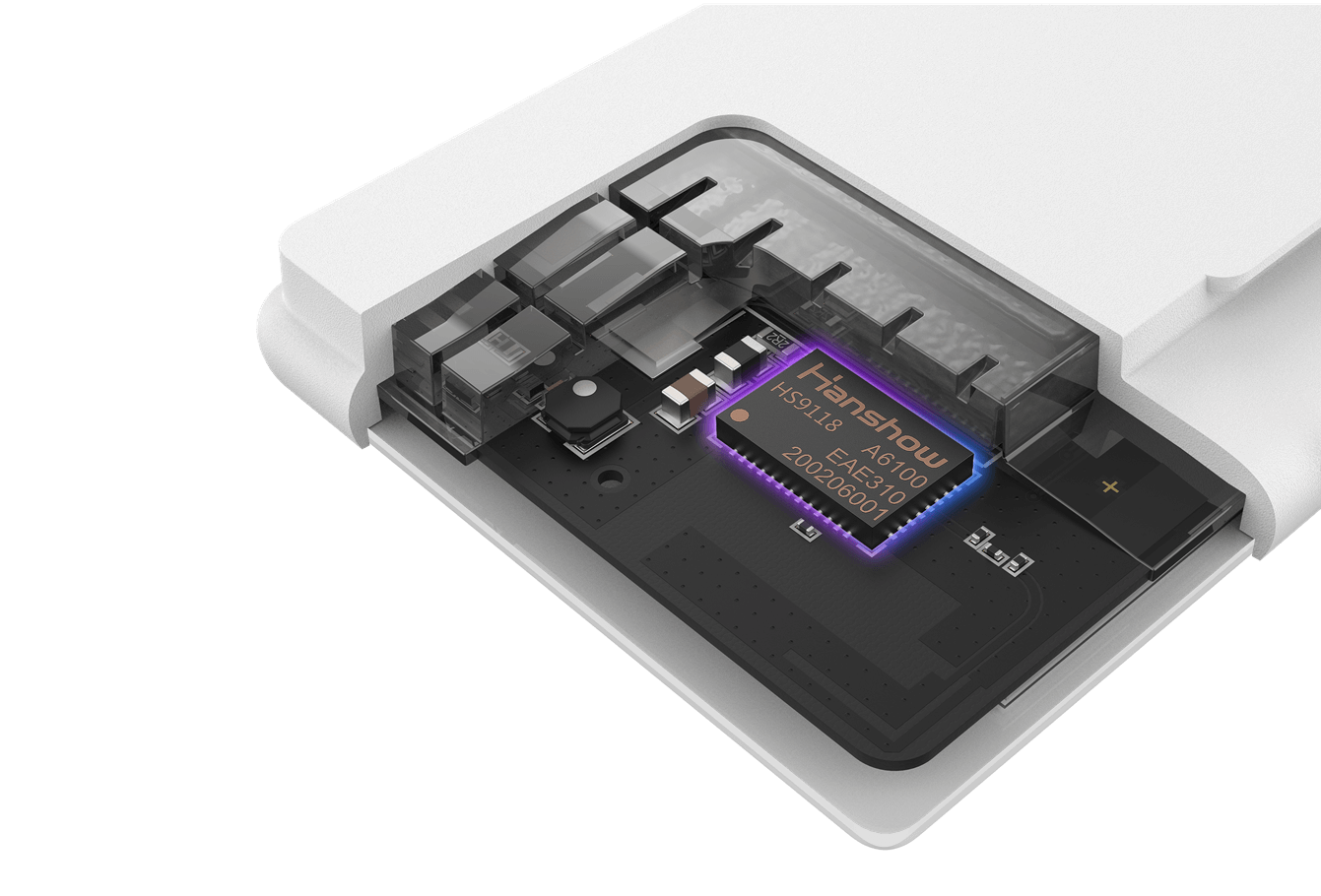
Final takeaways — three evaluation checkpoints
Evaluate vendors by: 1) latency under real traffic, 2) native integrations (POS, ERP, promotion engine), and 3) realistic TCO over three years. These checkpoints give you measurable answers, not slogans. Choose the system that reduces manual corrections and supports clear audit trails—because that’s how you protect margin and staff sanity. For hands-on help and deeper demos, reach out to teams like Hanshow.