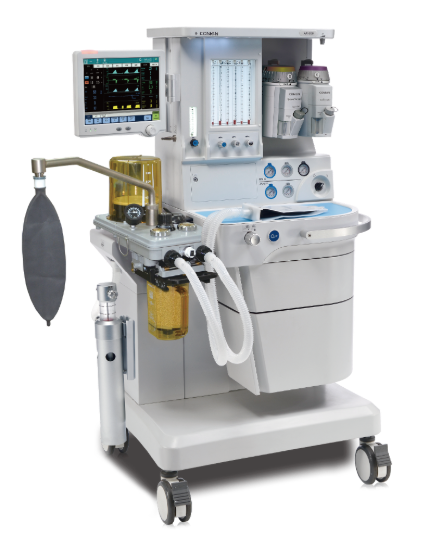
Problem-Driven: The Hidden Costs You Don’t See
I remember a night in March 2016 at a county OR where the backup cylinder didn’t mate right — the surgeon said we had ten minutes to sort it (that kind of night). When a rural schedule stacks three cases and the inventory log shows only two working vaporizers, 30% of our downtime came from small parts (data) — so how do you square budget with safety and anaesthesia machine reliability?
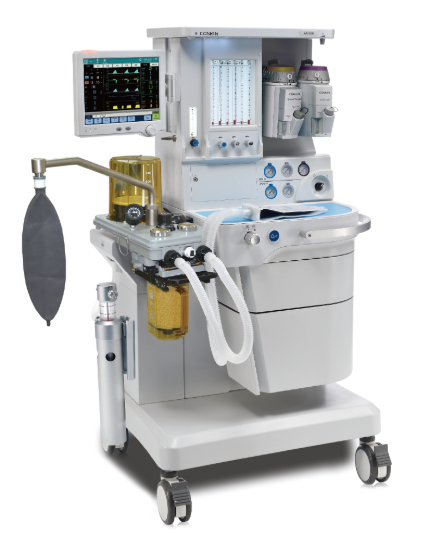
I write this from over 15 years in B2B supply, stocking and troubleshooting units from compact transport carts to full circle system rigs, and I can tell you plain: don’t let sticker shock on anaesthesia machine price be your whole compass. Anesthesia machine performance isn’t just about the big bits; vaporizer seals, a worn flowmeter, or a clogged scavenging system will steal cases and cash. I vividly recall ordering a replacement Dräger-style vaporizer in late 2017 for a small clinic in Eastern Kentucky — we delayed two elective lists and lost roughly $2,300 in billings that week. That design genuinely frustrated me, and it taught me to count the ordinary repairs when I price a purchase. (Ain’t no joke.)

What’s the real problem?
Looking Forward: Buying Smarter, Not Cheaper
Now, let’s be technical for a spell: when you shop, you’re buying a system of linked parts — fresh gas flow controls, vaporizer interfaces, CO2 absorber canisters and the electric fail-safes that keep a machine functioning under stress. I want folks to factor life-cycle service cost into the anaesthesia machine price — not just the sticker. We lay out expected parts replacement intervals (e.g., flowmeter reed replacement every 18–24 months under heavy use), document mean-time-between-failure for bellows, and run simple bench tests on scavenging system seal integrity before any purchase. In my own inventory audits — one week in June 2019 at a regional center — identifying a single cheap part that failed repeatedly saved us $7,800 a year in avoidable downtime. So think longer: upfront savings on a low-cost unit can double in two years if serviceability is poor. What’s next? Start your buying checklist with service access, spare parts lead time, and token compatibility tests — then compare vendors on those facts. That matters—don’t skimp on validation.
What’s Next?
Three Practical Metrics to Choose By
I prefer giving three plain metrics you can test or demand from vendors: 1) Mean-Time-To-Repair (in hours) — how long will it take to get back in service after a common fault; 2) Spare Parts Lead Time (days) — can you get that specific vaporizer seal or flowmeter needle in a week or will it be 30+ days; 3) Total Cost of Ownership over 36 months — list purchase, consumables, and average repair spend. I use those myself when advising hospitals and clinics; they cut through fancy specs. You should too. Try them on quotes — you’ll spot the traps fast. Don’t forget, user training reduces 40% of the usual mishaps (I’ve seen it). Anyway — check the numbers, test the machine if you can, and keep a local tech on call. For sensible options and parts, consider suppliers you can trust like COMEN.