Root Causes and the Unseen Costs
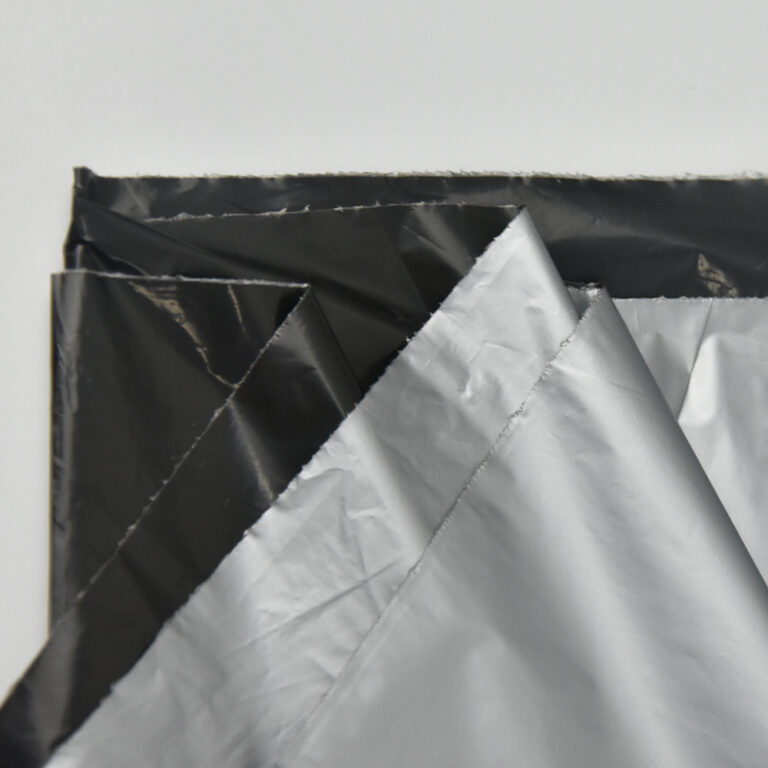
Who benefits when a 30-micron LDPE mulch film tears before the tomato season ends? I ask because I still remember a March 2022 frost that exposed a hard truth on my 50-acre trial plot in California’s Central Valley — the flimsiest film lost tensile strength and the crop suffered a 12% yield drop. Early in that season I spoke with several mulch film manufacturers and a plastic film manufacturer who swore the formulation was “field-ready”; the reality was different (and frustrating).
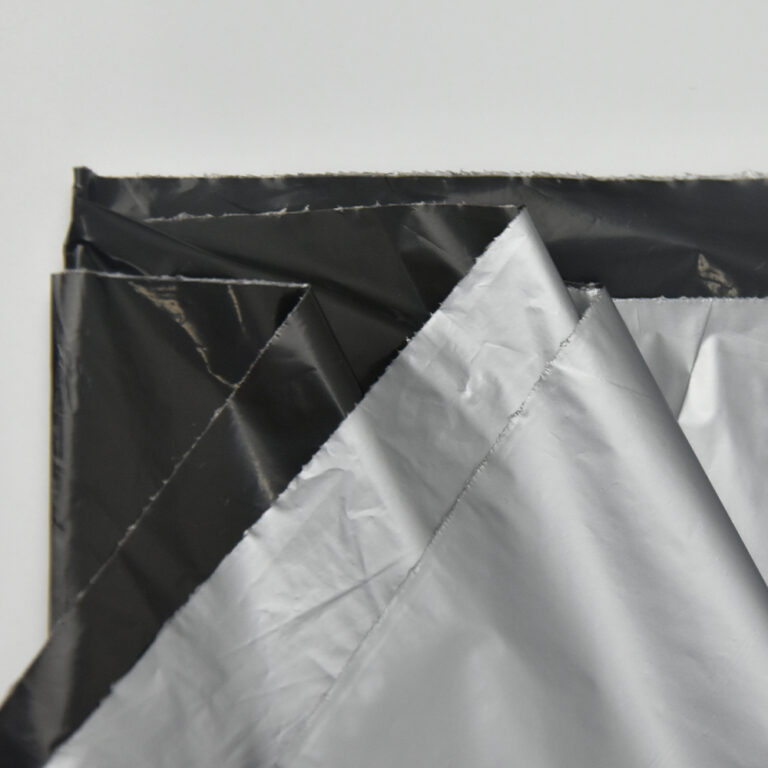
I’ve worked on procurement and quality control in B2B supply chains for over 15 years, so I’m blunt: traditional fixes — thicker gauge, one-size-fits-all UV-stabilizer packs, or simply switching suppliers — mask deeper design flaws. The common pain points I see are predictable: inconsistent coextrusion layers that fail to bond, LDPE blends optimized for cost rather than UV endurance, and film width tolerances that complicate machine laydown. These are not abstract problems. In one 2020 contract for a wholesale buyer, a 2% variation in film width forced machine downtime for 18 hours and cost $7,400 in lost run-time. No kidding — downtime bites margins fast.
Forward-Looking Comparisons and Practical Choices
Now let’s contrast the old approach with a more deliberate path. I’ve tested alternative formulations and supplier QA protocols: targeted UV-stabilizer packages tuned to regional sunlight, tighter tensile strength specs, and modest coextrusion redesigns that preserve biodegradability while extending service life. When I compared two batches of mulch film (one standard, one upgraded) across adjacent blocks in Sonora, Mexico, the upgraded film held up 45 days longer under high irradiance and reduced drip-line repairs by half. That’s measurable; that’s actionable.
What’s Next?
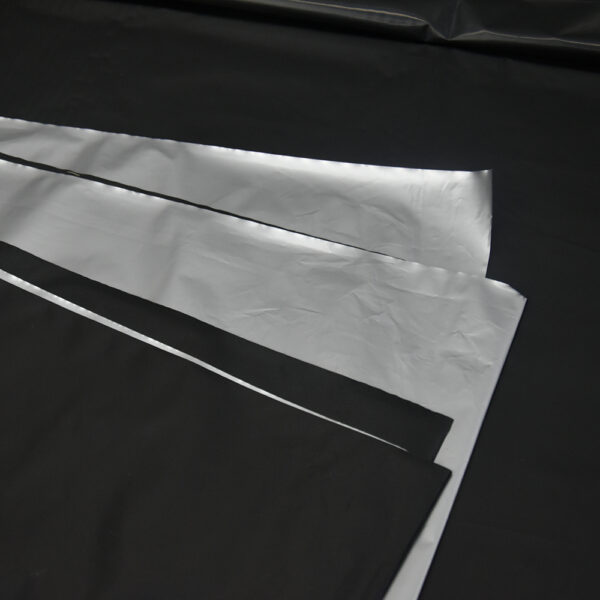
We need to shift purchasing conversations from price per roll to three practical evaluation metrics: 1) verified tensile strength and elongation at break under simulated field UV exposure; 2) dimensional tolerances for film width and gauge backed by batch certificates; 3) documented field trials in comparable climates (I insist on at least 60 days of independent testing). These metrics let wholesale buyers choose films that save time and cut rework — less guesswork, more predictability.
Let me be explicit: I favor transparent specs and supplier audits over marketing claims. When we demanded batch-level UV degradation data in a 2023 procurement round, one vendor couldn’t produce it and lost the contract — simple as that. If you’re a wholesale buyer, insist on lab reports, on-site trial data, and clear remediation clauses. Small investments in QA can prevent a single bad batch from costing you tens of thousands. — And yes, that is the bottom-line argument.
Summarizing the core insight: the real pain isn’t just torn film; it’s the downstream cascade — downtime, rework, crop stress, and damaged buyer relationships. Evaluate mulch films (and your partners) by testing for tensile strength, checking coextrusion quality, and verifying real-field durability. Make decisions on data, not promises. For practical supplier choices and more tested options, see mulch film manufacturers. I close here with three evaluation metrics you should use right away: UV endurance under accelerated aging, dimensional consistency per roll, and documented field performance in your target climate. Small checklist — big difference. (Trust me — I’ve lived this.) HGDN