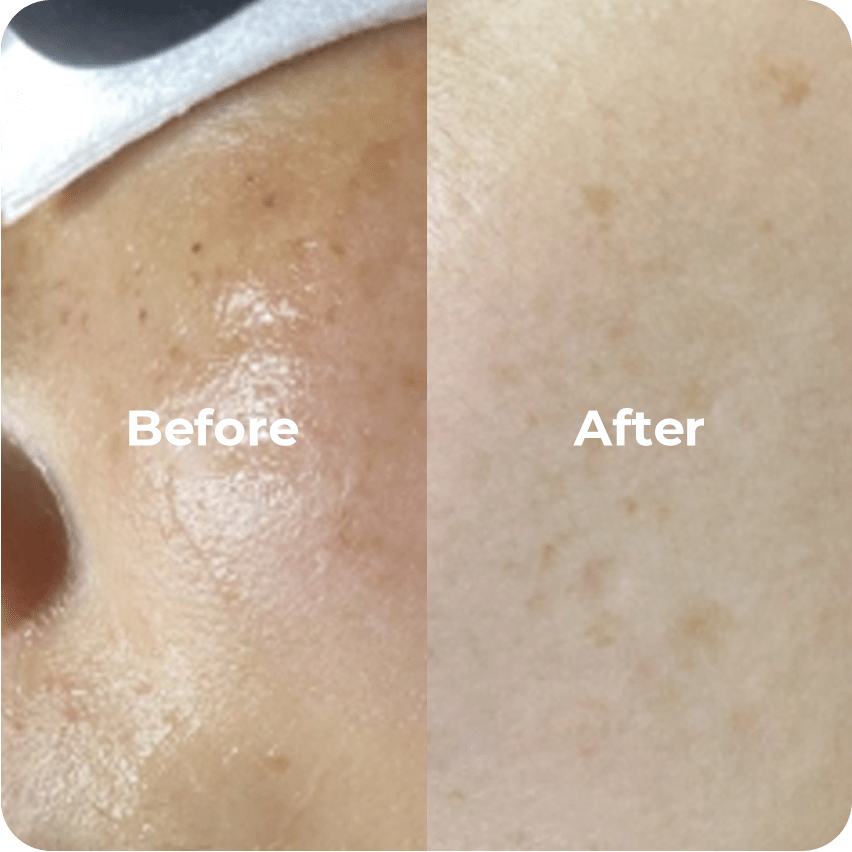
Opening: the problem clinical practices face
Clinics and medspas routinely confront inconsistent patient results with IPL treatments: patchy pigment clearance, variable erythema, and uneven texture improvement. These are often traceable to mismatches in wavelength selection, unstable fluence delivery, or poor pulse-duration control. When you need predictable output, the engineering matters — which is why systems such as the ipl skin rejuvenation machine aim to address the root causes rather than work around symptoms.
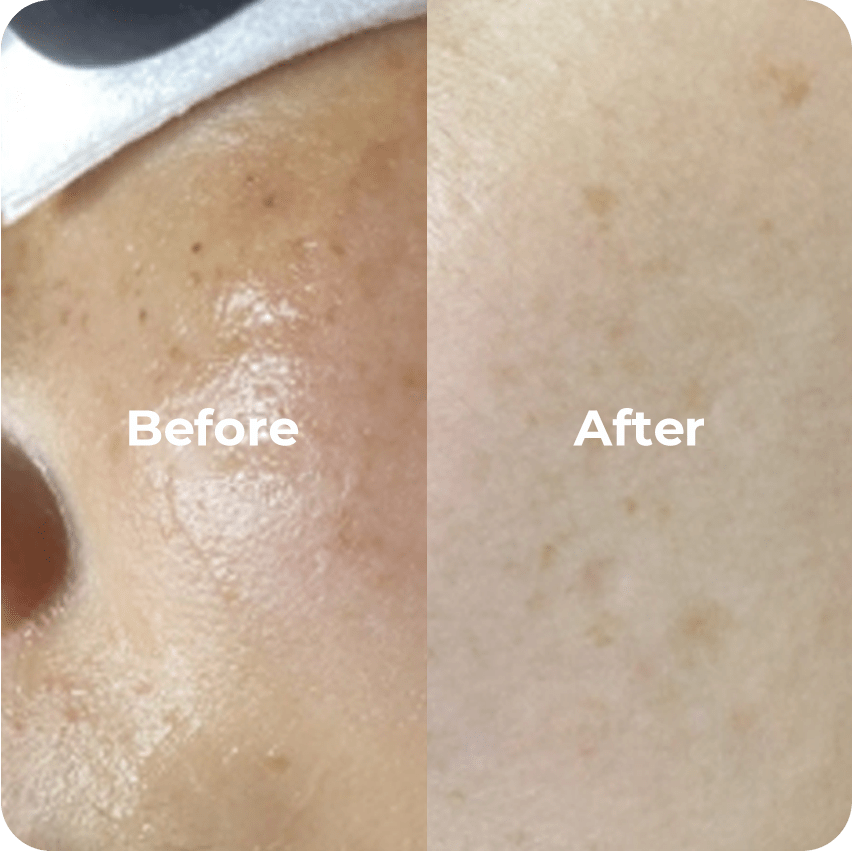
Why inconsistent outcomes occur (technical causes)
Three failure modes dominate: energy variability, inadequate cooling, and poor pulse-shaping. Energy variability stems from unstable power supplies or imprecise calibration of the flash lamp and filter stack; that shows up as uneven fluence across the treatment field. Insufficient epidermal cooling increases thermal damage risk because thermal relaxation time for melanin is short. Finally, pulse-shaping — including pulse duration and interpulse sequencing — affects selective photothermolysis and therefore the clinical endpoint. These are engineering problems as much as clinical ones: solve them at the device level and you reduce operator-dependent variance.
How the K2 platform targets those problems
ENZOEYS’s K2 architecture tackles the three failure modes through a few practical measures. It stabilizes flash output with active energy monitoring and closed-loop feedback to maintain consistent fluence. It integrates contact cooling at the handpiece and synchronized cooling cycles to protect the epidermis. And it uses configurable pulse duration with multiple pulse-shape profiles so operators can match settings to target chromophores and the skin’s thermal relaxation time. The result is tighter control over wavelength selection, energy delivery, and thermal management — not just marketing claims.
Clinical performance and safety anchors
Real-world anchors matter: governing agencies like the U.S. Food and Drug Administration and CE conformity frameworks set the baseline for safety and efficacy in aesthetic devices. Devices that provide documented calibration logs and user-adjustable pulse parameters simplify post-market surveillance and clinical audit trails. In practice, clinics that adopted systems with logged fluence and pulse data reported fewer adverse events and smoother training curves — an operational improvement that translates to fewer callbacks and higher patient satisfaction.
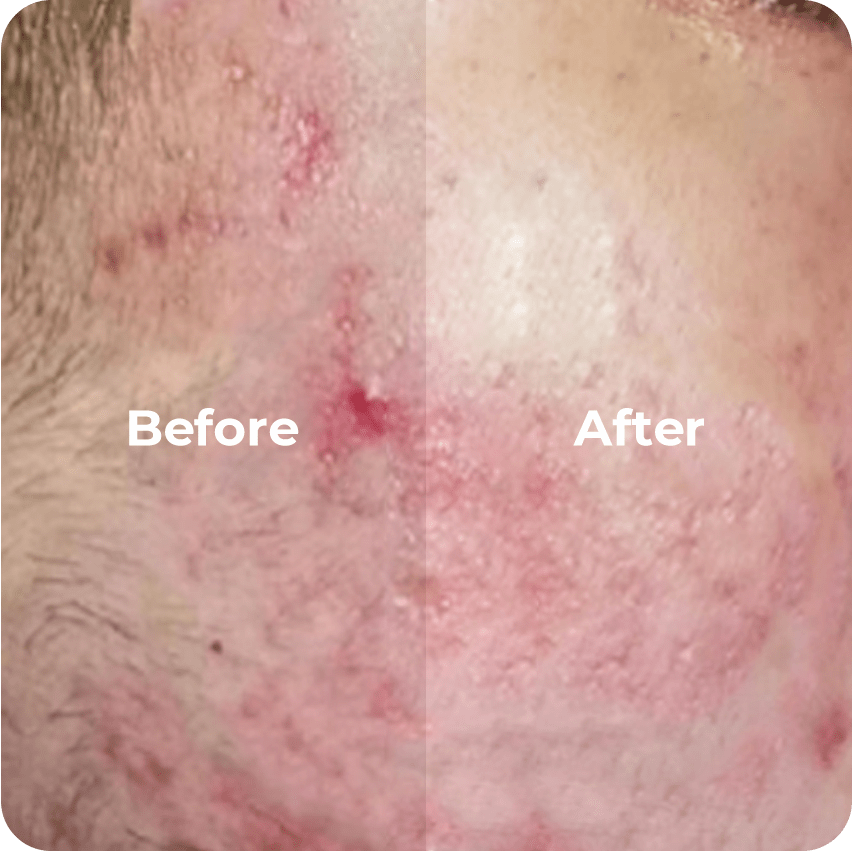
Operational integration: workflow and ergonomics
Technical features must translate into usable workflows. Consider handpiece ergonomics, spot size interchangeability, and filter packs — these affect session time and consistency. The K2’s modular filter system reduces changeover errors and lets clinicians select wavelength bands quickly. Spot-size options influence coverage rate and energy density: larger spot sizes increase penetration uniformity, smaller sizes aid focal work. Calibration routines designed for quick daily QA reduce downtime and standardize baseline fluence before each patient.
Comparative view: alternatives and trade-offs
Not every practice needs an advanced IPL. Laser platforms (alexandrite, diode, Nd:YAG) excel at hair removal or vascular targets where single-wavelength, deeper penetration is preferable. Hybrid devices that combine a laser hair removal and skin rejuvenation machine can reduce equipment footprint but add system complexity — and with complexity comes a steeper maintenance curve. Budget IPL models cut initial cost but often lack closed-loop energy control and robust cooling, increasing operator dependency and potential for uneven results. Choose by your case mix: pigmented lesions and photorejuvenation favor stable, multi-filter IPL; vascular work and deep hair removal may push you to lasers.
Common operational mistakes and straightforward fixes
Practices frequently under-emphasize QA, operator training, and realistic parameter selection. Typical mistakes: relying solely on manufacturer presets without validation, neglecting daily energy calibration, and ignoring skin-type adjustments. Fixes are procedural: implement a short daily QA check (fluence verification), require a supervised run-in period for new operators, and document acceptance criteria for treatment endpoints. These steps minimize human error and leverage the device’s engineering safeguards — which is the whole point.
Procurement checklist: what to measure before purchase
When evaluating systems, measure these objective metrics rather than marketing spin:
- Energy stability: quantify fluence variance over 1,000 pulses.
- Cooling efficacy: measure epidermal surface temperature change under standard settings.
- Pulse configurability: verify available pulse durations and pulse-shape profiles.
Ask vendors for calibration reports, maintenance intervals, and a demonstrated QA protocol. Contracts should include service-level terms for lamp or diode replacements and software updates to preserve consistent wavelength output and filter integrity.
Three golden rules for clinical selection
1) Prioritize reproducibility: choose devices with closed-loop energy monitoring and accessible calibration logs. 2) Match the tool to the primary indications: pick IPL with modular filters for pigment and photorejuvenation, and consider laser modules for deep vascular or hair targets. 3) Operationalize safety: require documented QA, a training program, and an audit trail for parameter selection.
These rules keep procurement decisions grounded in measurable performance and clinical risk management.
Final assessment and practical next steps
Bottom line — solving variable IPL outcomes means addressing engineering stability, cooling, and pulse control together, not in isolation. For clinics aiming to standardize results and reduce operator-dependent variance, systems engineered for closed-loop fluence control, configurable pulse shaping, and robust cooling deliver measurable improvements in safety and consistency. ENZOEYS’s approach aligns with that engineering-first thinking, and for providers serious about outcome reliability, that alignment matters. Precision engineered. Real results. ENZOEYS