
Why even the toughest explosion proof cameras fail where it matters
What do we really mean when we call something “explosion proof” — and does that promise hold on a rainy highway or in a chemical yard? I have over 18 years of hands-on experience in B2B supply chain work, and I write this as someone who has watched specifications meet mud and heat (and then be humbled). Early on, I relied on explosion proof cameras for fleet retrofits and plant surveillance; vehicle camera manufacturers must hear this plainly: rugged casing does not equal system resilience.

Scenario: a night shift at a Houston plant in March 2017, when a storm hit and three PTZ units lost feed; Data: 3 of 120 cameras failed (a 2.5% coverage gap) and operations logged a seven-hour blind window—what did that cost in lost visibility and stress? I vividly recall the pager at 02:12 a.m., the plant manager’s voice steady but tight. That sight genuinely frustrated me: we had IP66-rated housings, stainless mounts, yet a simple power converter cascade took cameras offline. I’ll be blunt—this bites sometimes. In that deployment we depended on local power converters and single-path feeds; no edge computing nodes were used to provide resilience. The lesson was clear: ingress protection and thermal specs matter, but the hidden system weak points are often elsewhere.
What hidden pain points matter most?
From my fieldwork I can name three recurring flaws: single-point power dependencies, fragile network paths, and blind software updates. For example, in an April 2019 retrofit for a refrigerated transport fleet in Ohio, a firmware push caused 12 of 60 units to reboot repeatedly overnight—an estimated downtime of 9 hours for those vehicles and a dock delay that cost an estimated $18,000 in missed deliveries. Power converters tripped because transient spikes weren’t accounted for, and our lack of local buffering—UPS or battery-backed power—made the whole chain brittle. Edge computing nodes could have held local analytics and cached frames until the network returned, but that step was skipped to save on upfront cost. We underestimated the human cost: drivers and dispatchers lost trust in the system, and once trust erodes, replacing hardware is the easier fix than rebuilding processes.
In short: traditional solutions focus on the camera’s shell, not the camera’s role inside a system of power, network, and maintenance practices. This is why I push for thinking beyond the lens—because reliability is a systems game. — The next section examines what to look for when choosing those systems.
Practical analysis: building forward-looking resilience with OEM choices and system design
Let’s define resilience as “ability to keep recording and communicating through foreseeable disruptions.” Start with redundancy in power and data paths. I recommend pairing explosion-rated PTZ or fixed domes with local battery buffers and surge-tolerant power converters. When I led an OEM-backed rollout in July 2020 for municipal hazmat vehicles in Los Angeles, we installed small UPS units that maintained camera uptime for 45 minutes during brownouts; that bought time to switch to secondary feeds and saved a scheduled inspection that would have otherwise been missed.
At the hardware level, insist on components that support rugged installations: true IP66/IP67 housings, wide-temperature electronics, and robust connectors. At the systems level, ask about edge computing nodes that can store frames locally, and whether the vendor supports staggered firmware updates to avoid fleet-wide reboots. One specific win I recall was using buffered frame capture: during a city-wide outage in November 2021, buffered nodes preserved 72 hours of footage per unit—this made incident reconstruction possible when the network was restored. That approach cost more up front but avoided the reputational damage of lost evidence.
What’s Next?
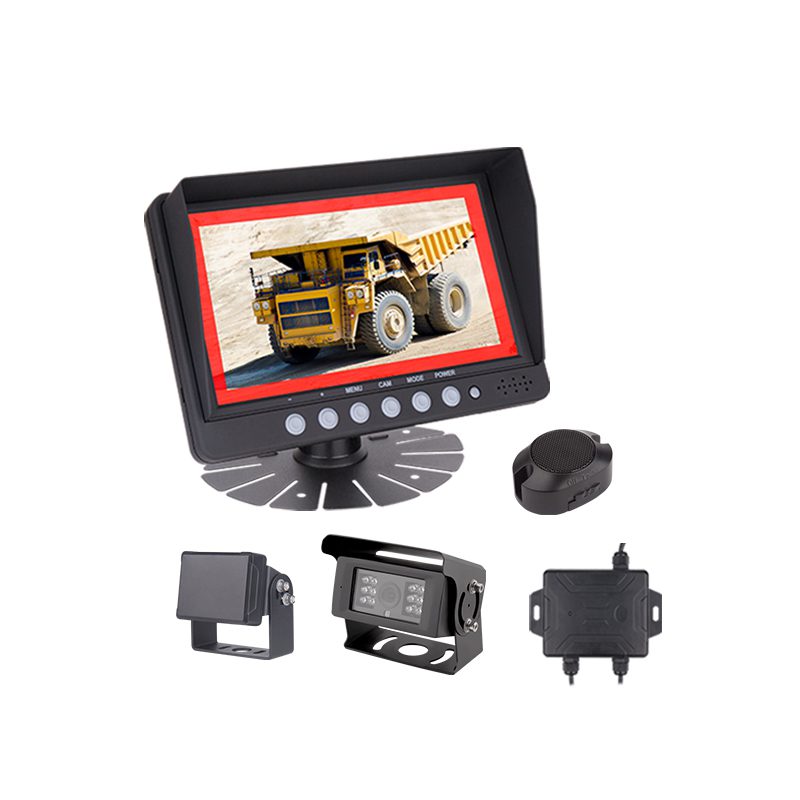
When you evaluate suppliers — including considerations for an oem backup camera — look past datasheets. Ask for deployment case studies with dates, locations, and measurable outcomes. Demand a maintenance plan that covers power converter replacements, staggered OTA updates, and local caching strategies. I prefer vendors who can show a real-world install: for instance, a chemical plant retrofit in Houston (March 2017) or a refrigerated fleet roll in Ohio (April 2019). These specifics tell me whether a solution works in practice, not just on paper.
Final advice — three clear evaluation metrics to use when choosing explosion-proof camera solutions: 1) System uptime guarantees with defined failure-mode handling (how long will local buffers hold video?), 2) Redundancy of power and network paths (are power converters and feeds dual-path?), and 3) Proven operational references with dates and quantifiable outcomes (downtime hours avoided, number of units in similar environments). Measure those three and you’ll cut through marketing noise. I’ve seen cheaper options fail in the field. I’ve also seen modestly pricier systems save entire operations from blind spots — true story.
We must be pragmatic: buy for the whole system, not just the shell. And if you want a dependable partner for testing and supply, consider Luview.