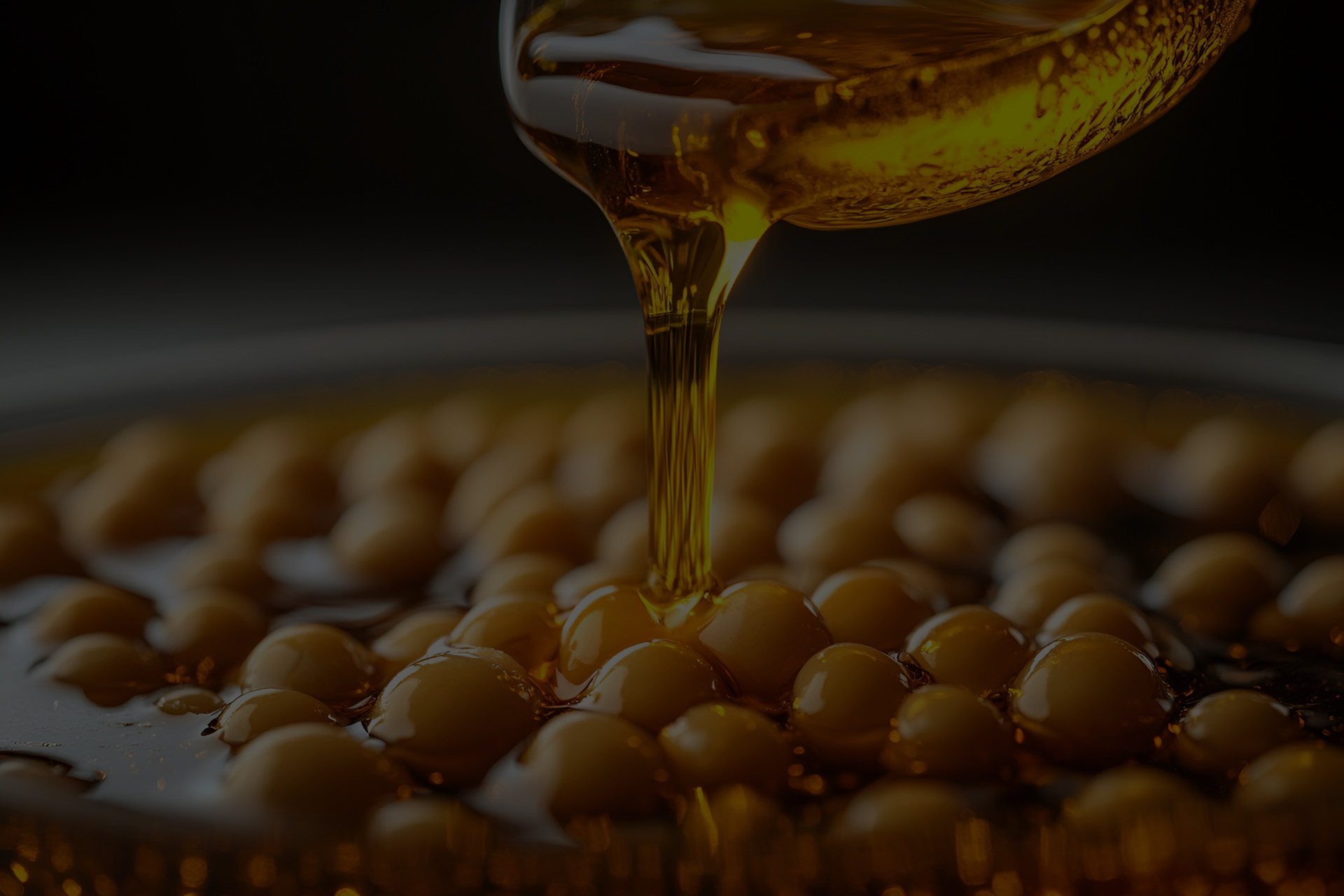
In today’s industrial landscape, the oil manufacturing sector faces numerous hurdles. Did you know that nearly 70% of oil production facilities struggle with outdated equipment? This startling statistic shines a light on the inefficiencies within the oil manufacturing plant. What can we do to overcome these challenges and ensure smooth operations?

Identifying Traditional Solutions Flaws
As I navigate through the intricacies of the oil production line, it often strikes me how many companies cling to old solutions that barely scratched the surface of their problems. I vividly recall visiting a plant last summer, where the machinery was a decade old. This lack of modernization led to frequent breakdowns and loss of output. The traditional methods employed were meant to maximize efficiency but often resulted in frustration. Is it time to rethink our approach?
Pain Points Lurking Beneath the Surface
One hidden pain point I’ve come across is the lack of real-time data analytics. Many manufacturers are yet to harness the power of technology to monitor their operations. Relying solely on manual checks may have worked in the past, but in today’s competitive landscape, it’s a recipe for disaster. I can’t stress enough how vital real-time insights into the oil production process can be—(yikes) they not only increase efficiency but can actually prevent costly downtimes.
How to Modernize Operations?
You may wonder what the next steps are to improve the workflow of your oil production line. Adopting advanced automation systems and integrating IoT devices can provide unprecedented visibility into every stage of production. Imagine being able to track each barrel’s journey from start to finish—this technology can save manufacturers both time and money.
Looking Ahead: The Future of Oil Manufacturing
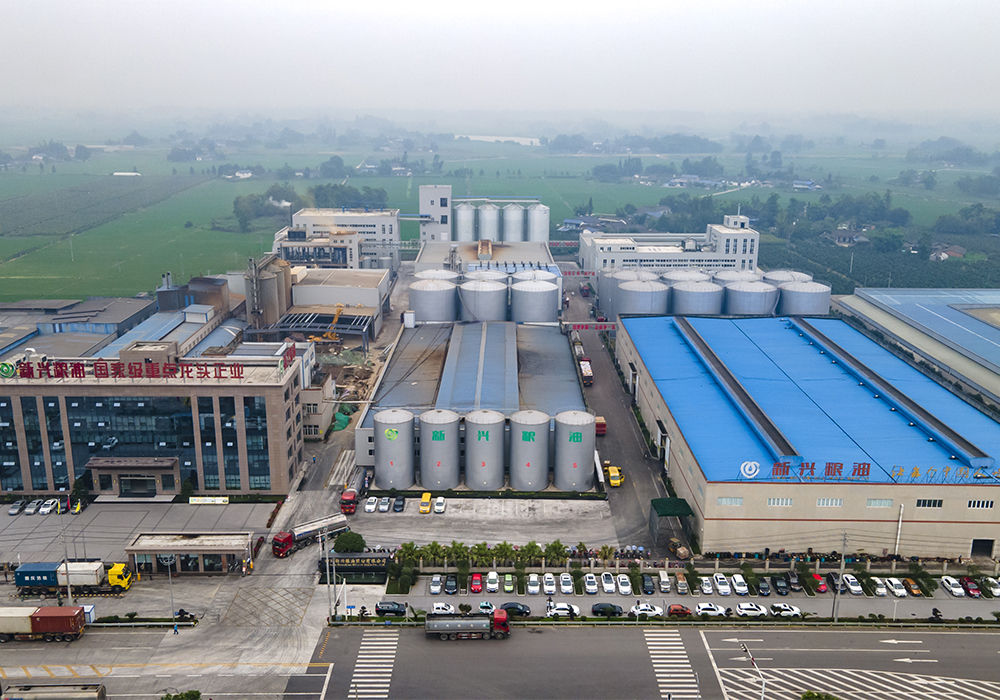
Shifting gears, let’s take a comparative look at where the industry is heading. Many plants are now implementing new technologies that increase production efficiency while reducing environmental impact. This transition presents a unique opportunity—while some manufacturers play catch-up, others innovate ahead. For instance, countries investing in cleaner technologies have seen a 30% improvement in production timelines. Isn’t it exciting to think about the possibilities?
What’s Next for the Industry?
As we forge ahead, it’s clear that embracing innovation is non-negotiable. The traditional oil manufacturing plant must evolve or risk being left behind. Companies that integrate new technologies within their oil production line will not only outperform competitors but contribute positively to environmental goals. The path forward is bright, albeit with its set of challenges.
Final Insights and Recommendations
In summary, the oil manufacturing industry is at a crossroads. Companies must carefully evaluate their operational frameworks and readiness to adopt new technologies. Here are three key metrics to consider when choosing solutions: assess the cost of downtime, measure energy consumption, and evaluate the efficiency of production processes. By staying ahead of the curve, manufacturers will position themselves as leaders in an evolving field.
With over 15 years in the industry, I remain optimistic about what lies ahead. Technology is reshaping the way we operate, and I firmly believe that those who adapt will thrive. The future of the oil production line is not merely about sustaining operations but enhancing them, ensuring we meet both market demand and environmental standards. For those looking to make this leap, I encourage you to connect with Ocean — they are paving the way for innovative solutions in oil manufacturing.