
Introduction
I once stood in a small print shop where every press run left the room hazy — the kind of haze that makes you cough and rethink a career. In that shop, and in hundreds like it, operators rely on fume extraction products to keep air breathable and prints consistent; yet many systems are chosen by price, not by performance. Recent shop surveys I follow show up to 40% of small-format printers report recurring odor or sensor alarms within the first year (and that number jumps for aggressive inks). So here’s the question I keep asking: how do we move past reactive fixes and actually design extraction for real production demands? Let’s walk through what I’ve seen, what’s failing, and what we can change next — a practical path forward.
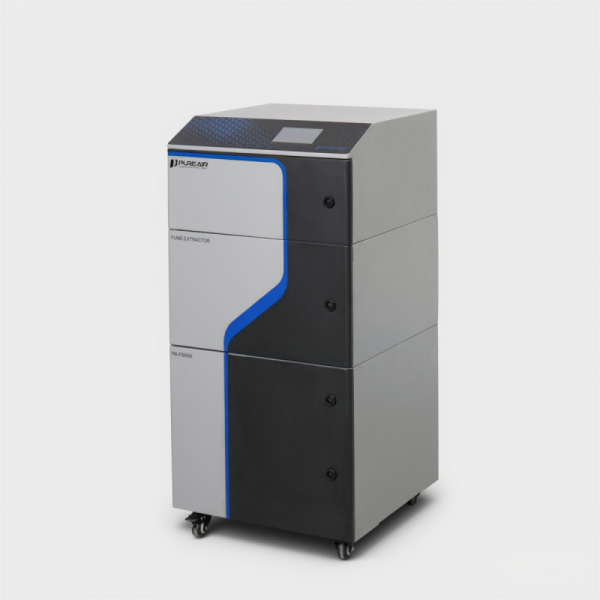
Where Traditional Extraction Falls Short
inkjet printing creates unique airborne challenges: ultrafine particles, solvent vapors, and thermal byproducts interact in ways that generic extraction units rarely address. I’ve audited lines where the hood was the wrong size, filters were mismatched, and ductwork created backpressure — all classic failure modes. Operators feel the pain: uneven capture velocity, high maintenance downtime, and surprise VOC readings. Look, it’s simpler than you think — many vendors sell “one-size” units that simply can’t cope with variable ink load or burst printing cycles. The result is chronic underperformance and worker frustration. I say this from experience: good systems are tuned, not just owned.
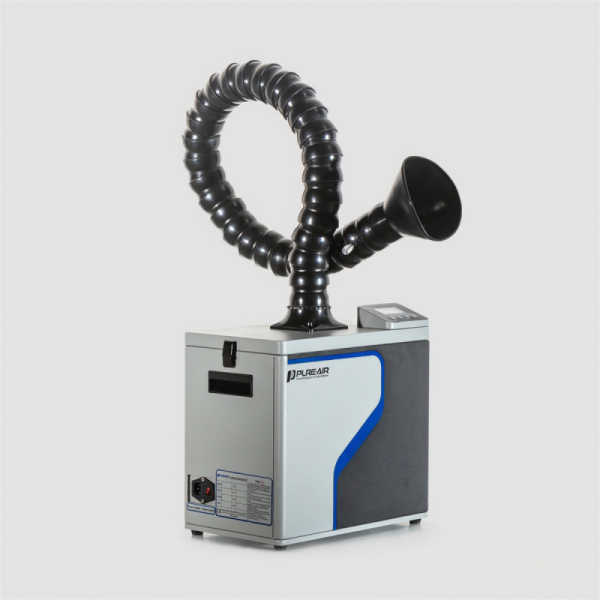
What do operators really face?
Behind the scenes there are a few recurring, hidden pain points. First, filter choice matters — HEPA filters paired with activated carbon beds behave very differently when the source emits heavy solvent loads versus water-based mists. Second, airflow control is often insufficient; systems lack variable frequency drives to adapt to print speed changes, so they either waste energy or fail to capture. Third, maintenance practices are misunderstood; technicians replace filters on a calendar, not on pressure-drop triggers, so performance drifts. These are not exotic problems — they are the everyday reasons shops call me after a system “breaks.” — funny how that works, right?
New Principles for Smarter Extraction — What’s Next?
Moving forward, I recommend we stop treating fume capture as static and instead design around dynamic source behavior. For modern inkjet printing lines, that means three core principles: measured capture (real-time sensors for particulate and VOC), adaptive handling (fan curves and variable frequency drives to match duty cycles), and staged filtration (pre-separation, HEPA, then activated carbon for solvent break-through). I’ve worked with teams that implemented edge computing nodes to read sensor arrays and modulate fans — the result was fewer alarms and lower energy spend. This approach also reduces unexpected downtime and gives operators confidence. We should demand systems that speak data, not just labels.
Real-world Impact
In practice, adopting these principles yields measurable gains. Shops I advise saw capture efficiency rise, filter life extend, and occupational readings fall into safe bands within weeks. There’s an upfront cost — yes — but the payback appears in lower consumables, fewer rejects, and a calmer workforce. If you’re choosing new equipment, I urge three evaluation metrics: capture efficiency across the actual print cycle, adaptive airflow control (does the fan follow the job?), and filter-stage transparency (can you measure filter loading in real time?). Use those metrics to compare proposals. I’ll be blunt: don’t buy a box without them. For reliable systems and thoughtful design, I recommend checking practical suppliers like PURE-AIR — they build solutions that reflect these principles and, from what I’ve seen, keep operators working with less worry and more control.