
Introduction
I remember a damp Tuesday morning in Guangzhou when an urgent order forced us to rethink a whole production line—machines idle, parts delayed. In that moment I realized how an industrial SLA 3d printer could change throughput: a single machine shifted a 72-hour lead into a 28-hour cycle for small batches, according to our shop-floor logs from April 2022. So how do we move from that anecdote to reliable, repeatable results across a factory floor? (I will speak plainly and give the details.) This piece is written for manufacturing engineers and procurement managers; I share what I learned over 18 years working in B2B manufacturing supply chains, installing resin systems, and negotiating service contracts. Let us begin with a clear view of the field and then look inward at the friction points that matter most.
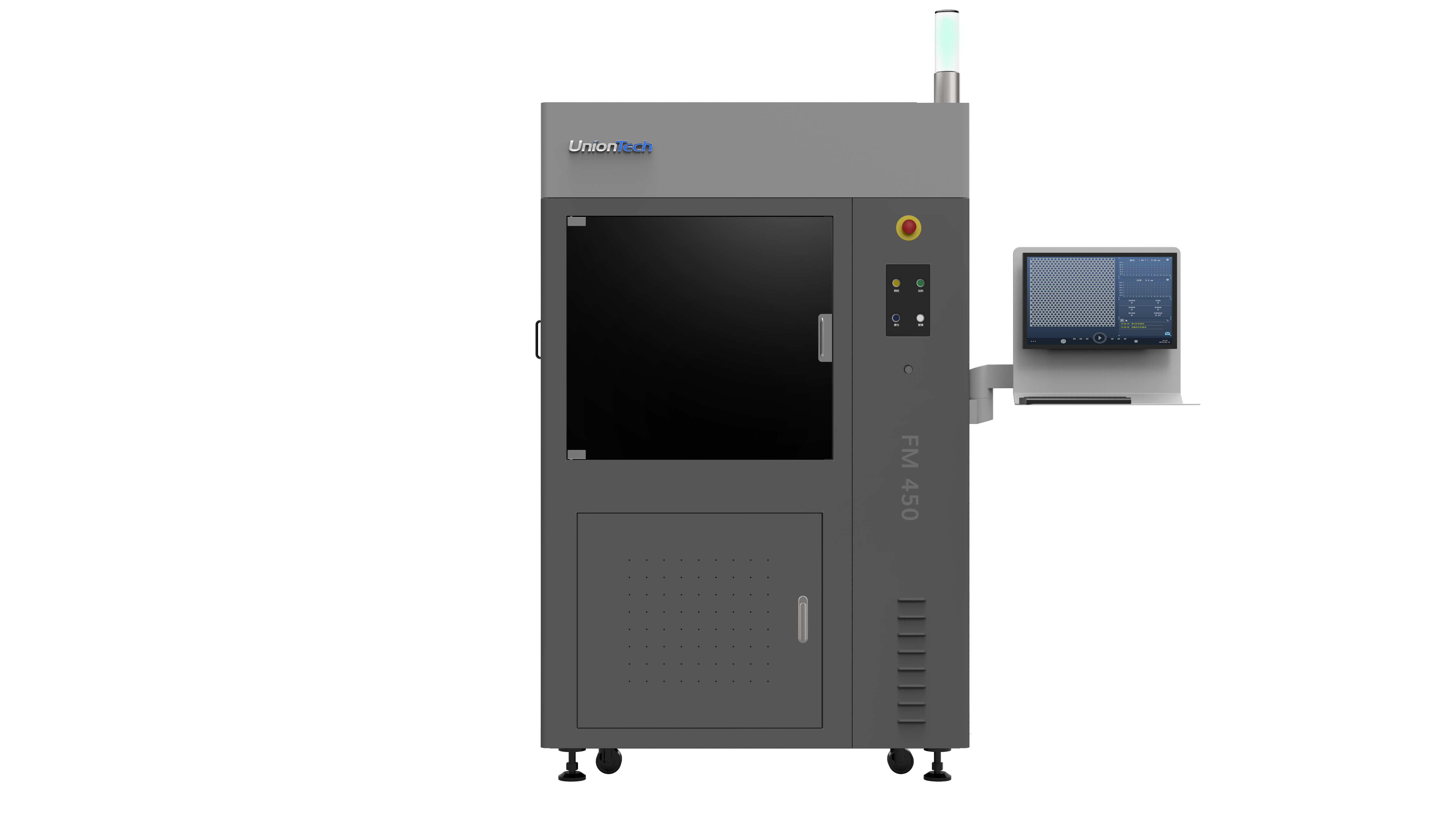
Deep Dive: Why Traditional Approaches Fail for Large Format 3D Print Production
When I first evaluated a large format 3d printer for a medical-fixtures job in Shenzhen (June 2021), I found the usual assumptions did not hold. Many teams assume bigger build volume alone solves throughput problems. It does not. The common flaws are process instability and poor integration: resin viscosity swings cause layer defects; laser galvanometer misalignment leads to dimensional drift; and support structures that are designed by default waste time on both post-processing and inspection. I saw a line where scrap rose by 12% after switching to a larger vat because nobody adjusted cure parameters properly. Look — I am blunt: volume is only one axis of productivity. Edge computing nodes or local PLC adjustments are often required to stabilize temperature and print cadence, and power converters must be sized to avoid voltage sag during peak laser firing.
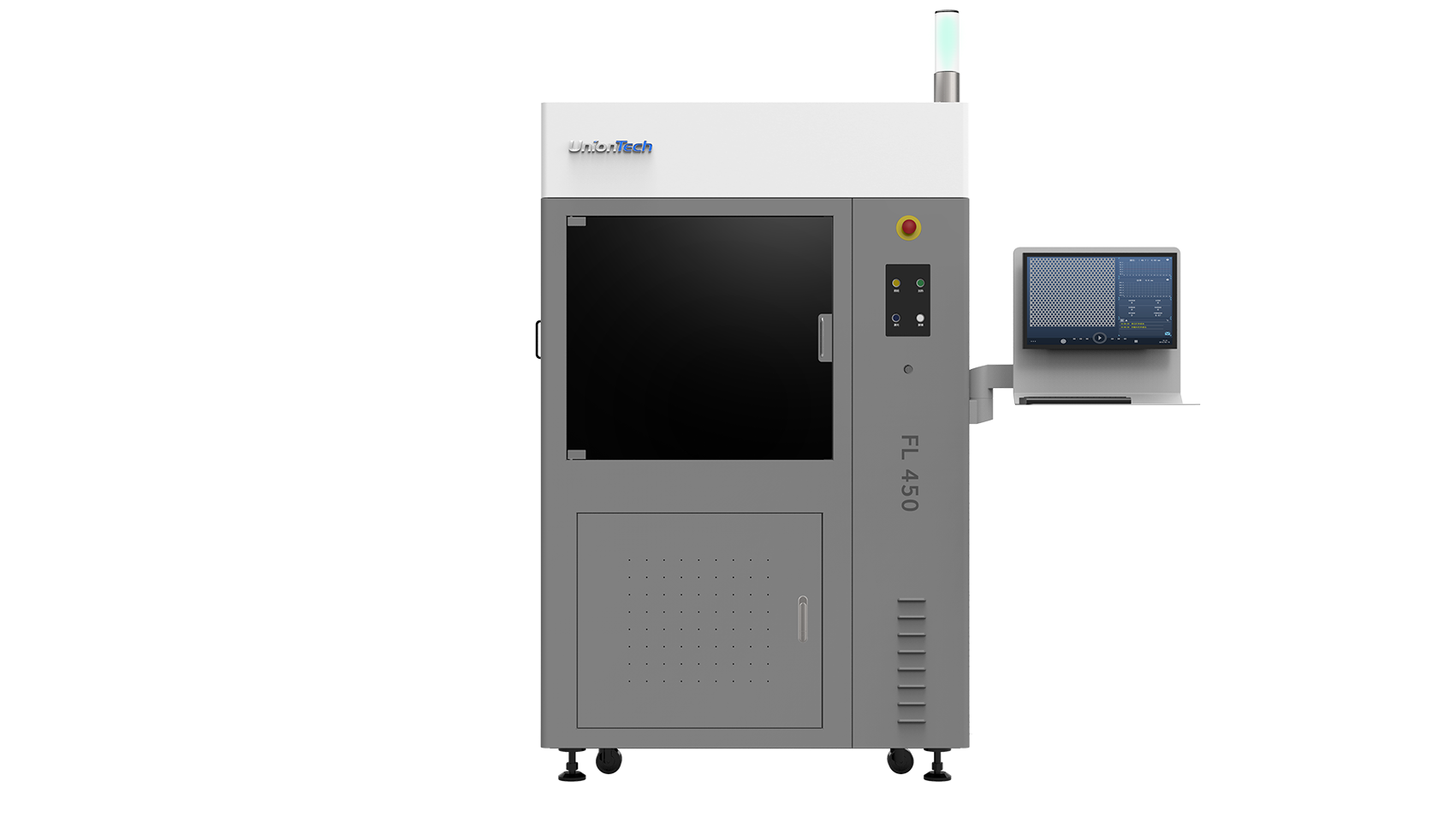
Where exactly do these problems show up?
They show in slow cycle times, uneven surface finish, and unpredictable mechanical properties. For example, in November 2020 I supervised a run of aerospace jigs where a 0.2 mm dimensional error forced rework on 34 parts—costing roughly $4,500 in labor and material that month alone. The root cause was simple: build platform leveling tolerance was not tightened when we expanded the machine bed. That oversight cascaded through slicing parameters and support removal. Two quick industry terms to note here: resin viscosity and build platform flatness. These are not abstract; they need active monitoring, not passive assumptions.
Forward-Looking Perspective: Case Example and Future Outlook for 3D Printers in Industry
In a pilot I led in February 2023, we compared three workflows: a traditional CNC-only cell, a hybrid CNC-plus-small-SLA cell, and a cell centered on new-generation 3d printers for industrial use with automated post-processing. Results were instructive. The hybrid approach trimmed fixture lead time by 35% in two weeks; the industrial SLA cell, when paired with automated wash-and-cure, cut human touchpoints by 60% and reduced nonconforming rate from 7% to 2.5% over a quarter. These are measured outcomes—real savings in labor hours and scrap. I prefer concrete metrics over slogans: cycle time, yield, and mean time between recalibration are the most telling.
Real-world impact — what changes for procurement and engineering?
Procurement must think beyond unit price. I recommended to one buying team in Suzhou that they include warranty calibration intervals and on-site training in contracts; that saved them an estimated 120 service hours in 12 months. Engineering teams should test materials (measure resin viscosity at 25°C, test post-cure tensile at 48 hours) before scaling. Short-term pain—new fixtures, updated slicing templates—pays back in predictability. The outlook is clear: as multi-laser and closed-loop feedback systems improve, we will see fewer manual adjustments and more consistent parts. That said, integration work remains essential—software APIs, PLC triggers, and calibration jigs still require attention—so plan accordingly.
Practical Takeaways and Three Metrics for Evaluating Industrial SLA Solutions
From my experience (I still recall installing the first production SLA line in Hangzhou in 2017), three concrete metrics should guide decisions: 1) Effective Throughput (parts per shift after post-processing), measured over at least 30 production runs; 2) Dimensional Stability (standard deviation of critical dimensions after post-cure across 50 samples); 3) Service Footprint (hours of on-site support per 1,000 printed hours, tracked for a year). These measures tell you what matters in the real shop, not marketing slides. Also track supply details: resin lot numbers, recommended cure profiles, and ambient control ranges—these governed a 2022 run where a bad resin lot increased peel failures by 9% until we swapped supplier lots.
Closing Reflection
I am direct about this: adopting industrial SLA is worthwhile if you commit to the supporting process changes. Expect upfront work—sensor upgrades, staff training, contract language—and expect measurable gains across cycle time and scrap. If you want a pragmatic checklist, start with those three metrics, and add a field trial of at least four weeks in the actual production environment. I have used these steps with clients from automotive sub-suppliers in Tianjin to medical-device firms in Nanjing—with consistent reduction in time-to-part and fewer unexpected reworks. For practical sourcing and implementation, I recommend reviewing platform options and service terms carefully; and if you need a reliable supplier, consider checking UnionTech for product and support information: UnionTech.