
Introduction — a small scene, a big number, one question
I once walked into a small factory at dawn and watched a single roll of fabric turn into hundreds of clean wipes by noon. The scene stuck with me: humming machines, a few operators, and a clear goal. wet wipe machinery sat at the center of it all, steady and patient. (I remember the smell of paper and warm glue—simple but honest.) Data tells a similar story: global demand for wet wipes keeps rising year after year, with niche needs growing fastest among baby and sensitive-skin lines. So I asked myself: how do makers balance speed, hygiene, and softness without breaking budgets or patience?
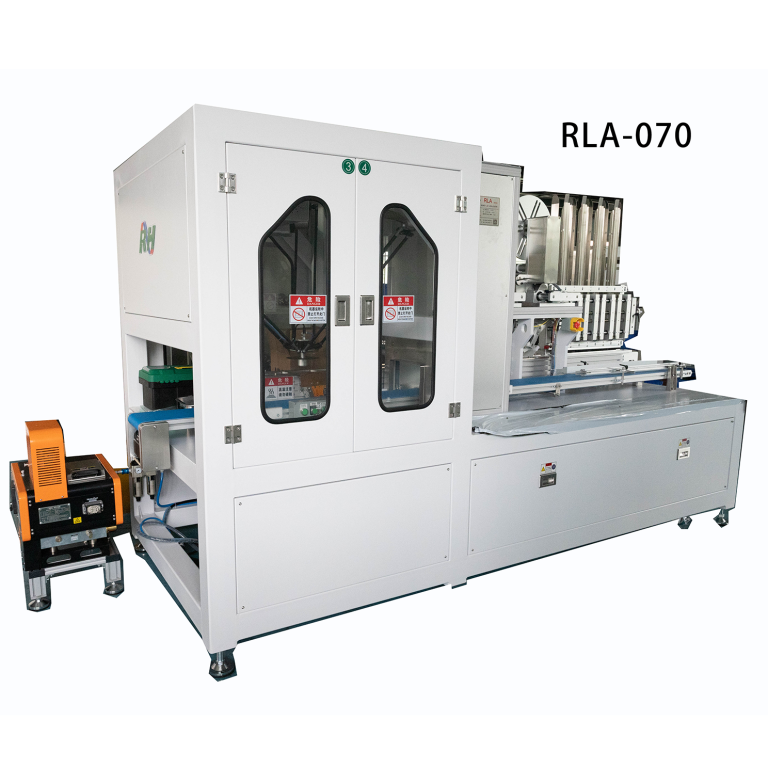
I’m curious because I’ve seen both elegant setups and makeshift systems. I’ll share what I learned on the floor, the numbers that mattered, and a few surprises. Come along — next I’ll dig into where common solutions fail and what users really feel when a line misses the mark.
Where traditional solutions fall short for a custom baby wipe production line
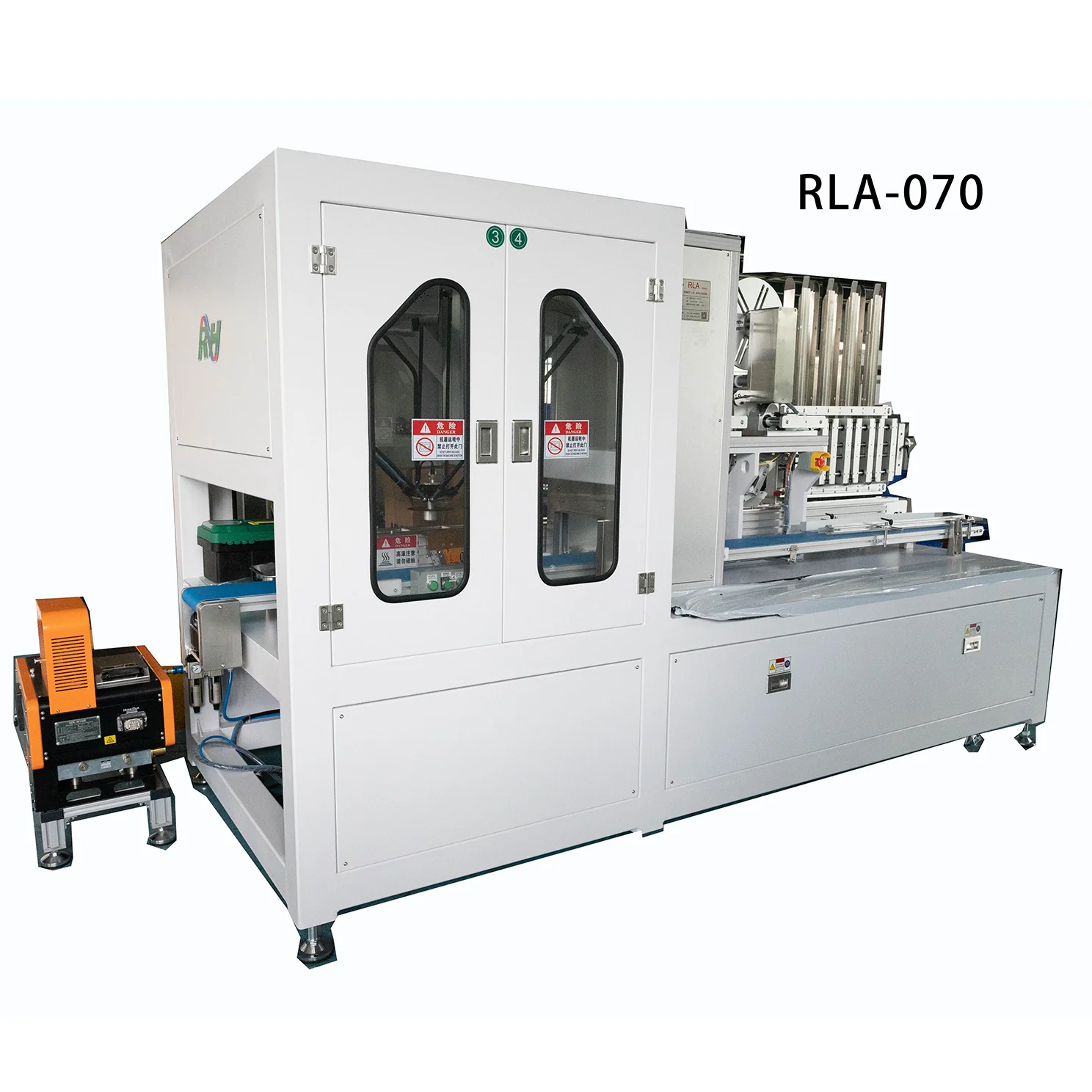
custom baby wipe production line is what many brands ask for when they want control over fabric, lotion, and packaging. I’ve watched teams chase that control and hit the same roadblocks: inflexible reel unwinder setups, poor tension control, and PLC programs that refuse to scale. These aren’t small issues. They cost time, yield, and brand trust. Technically, many older lines rely on heavy mechanical adjustments and analog feedback loops. That means more downtime, more human tweaks, and more scrap. Look, it’s simpler than you think when you see the core problem — lack of modularity.
What pain do operators actually feel?
Operators tell me they fight daily with inconsistent feed, sudden breaks, and confusing error codes. Servo motors may buzz, but only a trained tech can interpret the fault. Spare parts arrive late; a power converter hiccup stops the whole line. The result: rushed shifts, anxious quality checks, and batches delayed. I judge these flaws not just by cost, but by the weight they place on people running the line. We can talk numbers later, but the human cost — stress, lost sleep, and strained teams — often gets ignored in white papers.
New principles for smarter, kinder custom baby wipe production line
Moving forward means rethinking the machines from control outwards — not the other way round. I believe in three technical shifts. First, edge computing nodes for local decision-making (so a cut or jam is treated instantly). Second, modular drives and servo motors that let you swap sections without a full tear-down. Third, standardized interfaces so a reel unwinder module talks to the PLC cleanly. These are simple ideas, but they require a design mindset change: treat the line like a set of building blocks, not a single monolith. — funny how that works, right?
What’s Next?
Adopting these principles means better uptime and faster changeovers. For example, a modular approach lets a brand try a new fabric in hours rather than days. It also makes maintenance less heroic and more predictable. I’ve seen one pilot reduce downtime by a third after swapping to modular tension control and standardized connectors; the team breathed easier. If you’re planning a new setup, consider how your vendors handle spare parts, training, and on-site tuning. And yes, the custom baby wipe production line you pick matters — some designs hide their complexity, others invite you in to tweak and learn.
Closing: how to pick a path that honors people and product
I’ll be blunt: technology alone won’t fix everything. But when I see choices guided by clear metrics, I’m convinced teams do better work and products shine brighter. Here are three key evaluation metrics I use when advising clients — practical, measurable, and human-centered:
1) Changeover Time — How long to switch fabric, lotion, or pack style? Lower is better. Measure in minutes, not hours. 2) Mean Time to Repair (MTTR) — Can an operator swap a module or part without a specialist? If not, the line will bleed downtime. 3) Batch Consistency — Track weight, moisture, and cut precision across runs; small drift matters. These metrics tell a clear story: speed with variability is worse than slightly slower but steady.
I’ve worked with teams that feared change. I convinced them to test one modular cell first. The results? Less panic, fewer late nights, and a cleaner audit trail — all good signs. If you want a partner who gets both machines and the people who run them, consider looking into ZLINK for practical, field-tested gear. I’m not pushing a slogan — just saying what I’ve seen work.