
Introduction — a small scene, a big question
I was standing on a factory floor as the line hiccupped—just for a beat—but it felt like the whole shift held its breath. In that pause, the motor controller blinked a warning and a dozen hands looked up; we all knew downtime costs in dollars and lost trust. Motor controller performance now ties directly to output: one study I read shows unexpected motor stops can chop throughput by up to 18% in some plants (yes, real numbers). So how do we design control systems that keep things moving without asking operators to be miracle workers?
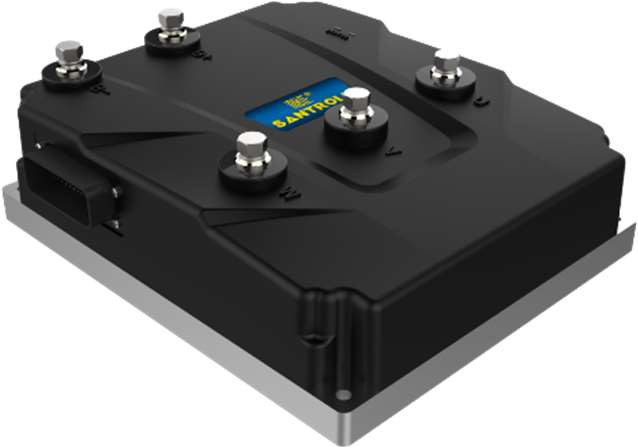
I want to explore that with you: what real fixes work, where the small wins live, and which trade-offs matter. I’ll share practical angles on reliability, maintainability, and the human side of automation—because tech without people in mind is just expensive hardware. Let’s move from a tense pause to practical steps—next, I’ll dig into what’s actually failing under the hood.

Part 2 — Why classic fixes for AC drives often miss the mark
I’ll start bluntly: many teams still lean on old-school approaches. The common quick-fix is to swap in a new ac motor speed controller and hope the problem goes away. But replacement alone rarely solves the underlying faults. Technical diagnosis often shows issues in vector control tuning, poor PWM filtering, or misread sensor feedback—so the drive keeps tripping even after the swap. Look, it’s simpler than you think: hardware can mask software tuning errors, and the next guy blames the unit instead of checking the feedback loop or the cable shielding.
Here’s what I see again and again (technical, but we’ll keep it practical). First, mismatched torque limits: installers copy settings from one line to another and forget load inertia and thermal limits. Second, weak fault logging: without clear event logs, troubleshooting becomes guesswork. Third, inadequate integration with higher-level systems—edge computing nodes and PLCs often talk past the drive, so alarms cascade without root cause. These are not mysteries; they’re process gaps. If we fix tuning, add smarter diagnostics, and align control logic, we cut repeat failures quickly. — funny how that works, right?
Why not just replace everything?
Part 3 — Looking forward: practical paths and three clear metrics
Moving forward, I favor a mixed approach: smarter tools plus better practices. In real deployments I’ve helped architect, we layered improved diagnostics, adaptive tuning, and clearer maintenance cues. That mix brought down nuisance trips and made root causes visible. For electric motor solutions, that meant combining reliable inverters with tuned control profiles and better thermal management. The result was fewer surprise stops and less after-hours scrambling—teams could plan fixes, not chase ghosts.
What should you measure before buying or upgrading? Here are three metrics I use when evaluating options: 1) Mean Time Between Interrupts (MTBI) under your actual load profile; 2) Time-to-diagnose—how long to pinpoint a fault using built-in logs; 3) Integration overhead—the hours required to make the drive speak to your PLC, SCADA, or edge layer. Those numbers tell you more than vendor claims. Also think about maintainability—can your techs swap settings safely? Does the drive offer protected access levels? These matter in daily life.
To wrap up: I believe practical change comes from asking better questions, not buying the fanciest box. Measure real-world uptime, insist on clear logs, and standardize tuning steps. Do that and you’ll get predictable results — measurable savings, calmer shifts, and fewer late-night calls. For reliable parts and service reference, I’ve found resources at Santroll useful when we need proven components and clear specs.