
Introduction — a question to start
Have you ever paused and wondered whether the tool in your hand is protecting you or merely making work louder? I ask this because I’ve seen teams trade safety for speed, and I don’t like that trade. The non sparking hammer sits quietly in that gap between risk and routine; you might not notice it until a near-miss tells you what you almost lost. (Think about a refinery night shift — low light, high tension.) Data shows spark-caused incidents still occur in confined spaces, and that raises a single stubborn question: how do we measure the true value of a safety tool beyond its price tag? I want to unpack that with you. We’ll look at what standard tools miss, then compare real choices so you can decide with intention rather than habit. Now — let’s dig into what commonly goes wrong next.
Where traditional solutions fall short (and what users quietly endure)
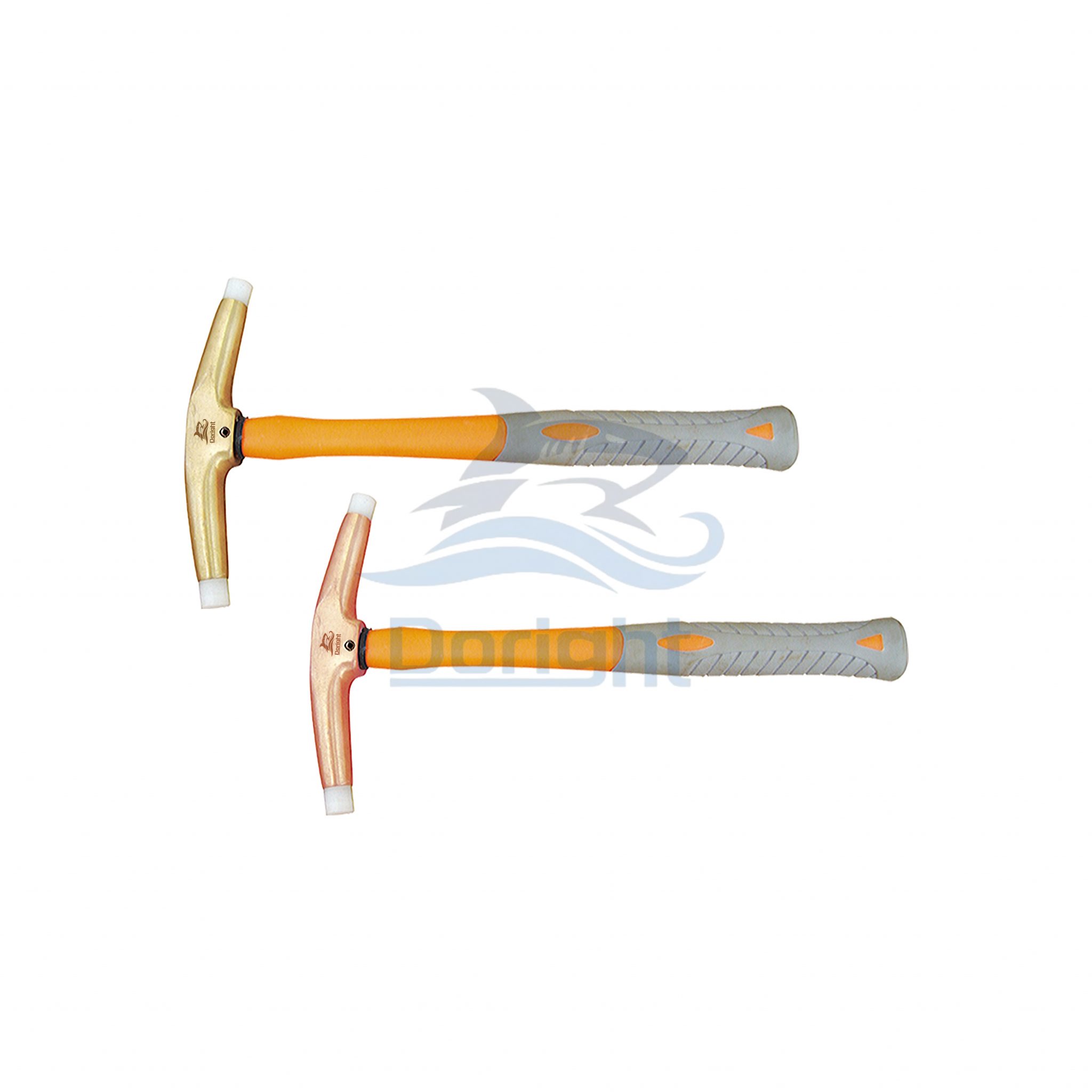
non sparking safety hammer is a phrase I repeat because it points to a specific design intent: prevent ignition where flammable atmospheres exist. Yet, many workplaces still rely on conventional steel hammers. Why? Familiarity. Comfort. Cost. Those same reasons hide three structural flaws. First, standard hammers create micro-sparks through brittle fractures at contact points; intrinsic safety is compromised. Second, heavy steel tools increase fatigue, so workers rush tasks — a human factor problem I see all the time. Third, maintenance regimes ignore the alloy behavior over time; a tool that was safe on day one may not be safe after repeated impacts. In short: a nominally “safe” procedure becomes brittle when the tool degrades. I’ll be direct — that’s a failure of system design as much as of the tool itself. Look, it’s simpler than you think: design for predictable wear, not assumed perfection.
Why do common fixes miss the mark?
Because they treat symptoms rather than root causes. Swap the hammer head, schedule inspections, call it fixed. But the underlying issues — material selection, ergonomics, and how the job actually gets done on the floor — still hang around. If you substitute alloys without accounting for shock absorption and surface finish, you might reduce visible sparks while increasing metal fatigue elsewhere. If you ignore grounding systems or skip checks of bonding continuity, you rely on luck. We should be measuring more than immediate spark suppression; measure lifecycle performance, user ergonomics, and maintenance friction. Those are the metrics that show whether a non sparking safety hammer actually lowers incident risk.
Future outlook: principles for choosing better tools and real-world implications
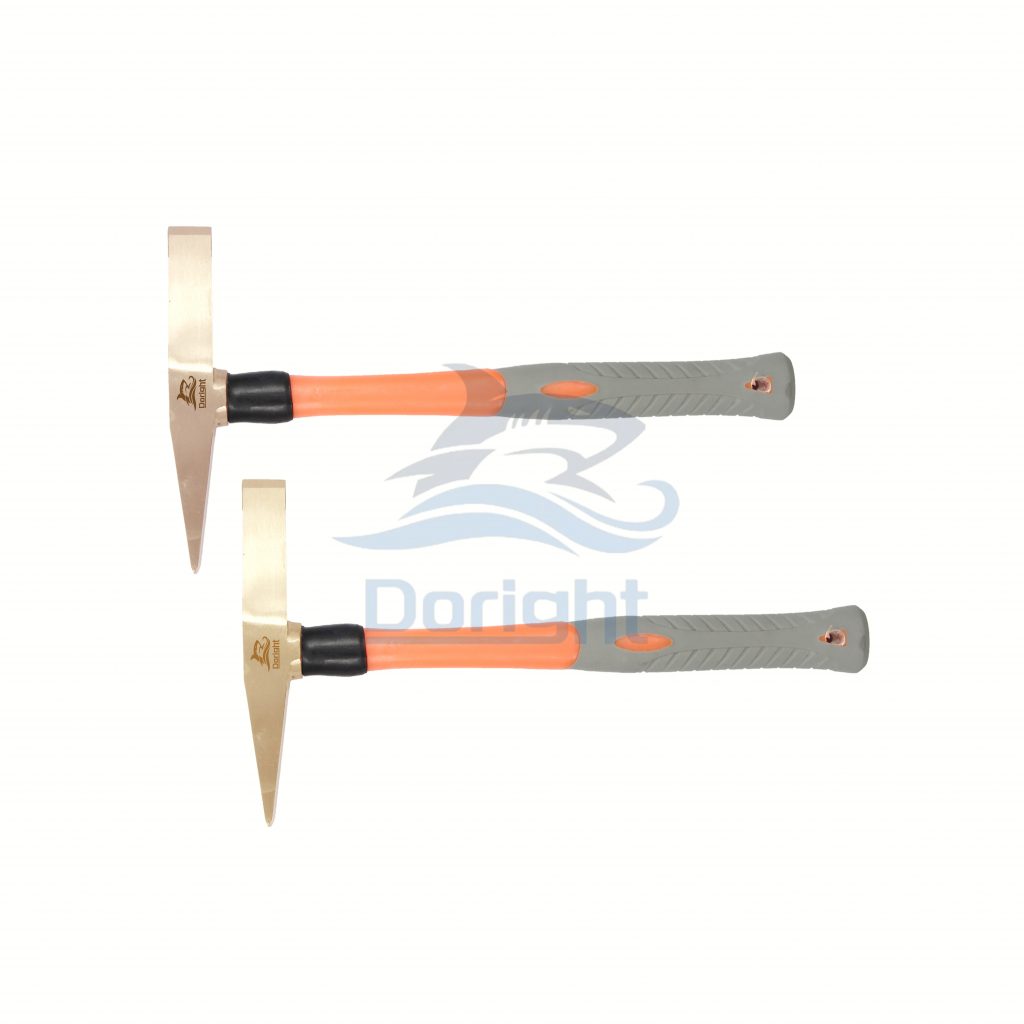
Looking forward, I want to be pragmatic. New design principles center on three ideas: durable spark-resistant alloys, predictable wear patterns, and human-centered ergonomics. That’s not sexy engineering lingo — it’s plain sense. When you evaluate a non-sparking hammer, check how the alloy behaves under repeated impact, whether the grip reduces wrist torque, and whether the tool integrates with your existing grounding and bonding protocols. I’ve seen tools that perform well in the lab but fail in the field because they ignore simple things like tool balance and user fatigue. Also — funny how that works, right? — small choices compound. A lighter head may reduce fatigue but change strike energy; you need the balance of power converters and damping built into the design. Edge computing nodes of monitoring gear can tell you how often tools are used and how they wear, but only if you commit to data collection and honest review.
What’s next for teams choosing tools?
In practice, I advise a three-point filter before you buy: materials profile, ergonomics in real tasks, and maintenance transparency. Try a short-term field trial, collect simple metrics (use frequency, impact counts, worker feedback), and compare how the non-sparking hammer holds up versus your legacy tools. Measure. Discuss. Adjust. If you do this, you’ll find the true ROI is not just fewer sparks, but fewer close calls, fewer interruptions, and a calmer shift rhythm. That’s worth evaluating — and it’s measurable.
Three practical evaluation metrics to take away
Here are three metrics I use with teams when we set out to choose a safer hammer. First: lifecycle safety score — combine material fatigue tests, field wear observations, and incident tracebacks. Second: human-fit index — simple surveys on grip comfort, perceived weight, and task speed under realistic conditions. Third: maintenance friction — record the time and cost to keep the tool within safe limits. Use those three, and you’ll move from opinion to evidence. I believe we owe that to the people on the floor; I’ve been convinced by those data points more times than I can count. If you want a practical option to evaluate, consider how a modern non-sparking hammer stacks up in these areas — and then try it in a real job for a week. You’ll learn faster than you expect. — funny how that works, right? Finally, when you’re ready to browse options, remember to check manufacturer claims against field data and user feedback. For trusted choices, I look to brands with clear test results and transparent maintenance guidance. For reference and sourcing, see Doright.