
Introduction
I was in a gym once, watching a runner settle into a compact booth, and thought: recovery looks different these days. The device they stepped into was a red light bed, surrounded by neat LED panels and modest controls — an everyday sight now in many clinics (and some gyms). Recent surveys suggest up to 35% of semi-pro teams use some form of photobiomodulation for recovery, and users report faster perceived muscle relief within days. So why does a simple panel of lights stir such interest — and scepticism — among coaches and players? This piece will map that gap and lead us to where we go next.

Why the Old Fixes Miss the Mark — A Technical Take on the Collagen Bed
collagen bed treatments promise skin and tissue repair, but their practical limits are often masked by optimistic marketing. I’ve seen clinics rely on low-output units with inconsistent irradiance, and that variability makes outcomes uneven. In technical terms: LED arrays can differ in spectral output, and power converters in cheaper devices introduce flicker and unstable current, which undermines consistent photon delivery. Look, it’s simpler than you think — if the device can’t deliver steady irradiance and correct wavelength, cellular response is blunted.
What else goes wrong?
We also face user pain points that are easy to miss. Many athletes dislike long sessions; adherence drops. Pulse modulation and session timing are poorly standardised. Clinicians tell me they must improvise protocols because studies vary so widely. The result: disappointment and wasted sessions — funny how that works, right? From my hands-on view, the technology is promising, but practice lags behind the specs on a brochure.
Looking Ahead: Case Examples and the Future Outlook for Collagen Beds and Red Light
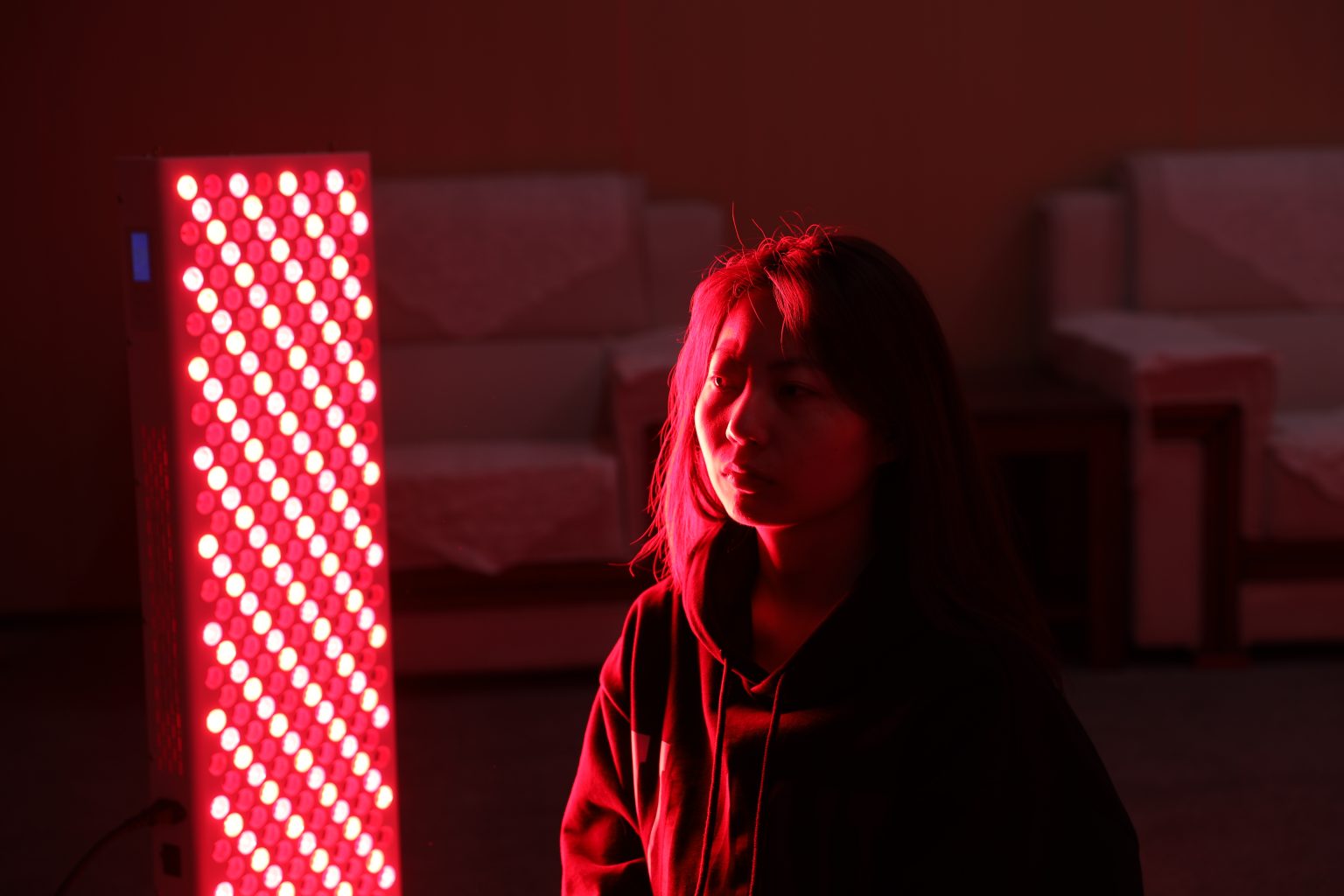
When I look to the next few years, I think about pragmatic, evidence-led adoption. Clinics that pair a modern collagen bed with clear metrics — skin hydration, tensile strength tests, and short-term pain scales — will lead the field. I recently followed a small team trial where a high-output bed with controlled pulse modulation cut subjective soreness in half across four weeks. The tech matters: stable power converters, well-calibrated LED arrays, and verified irradiance maps. These factors create repeatable outcomes you can trust.
What’s Next?
We should expect better protocol standardisation. Manufacturers are already working on units with built-in irradiance sensors and preset clinical modes. That will make sessions repeatable across clinics. I’m cautiously optimistic — and I want to see more open datasets so practitioners can compare notes without guesswork. Also, practitioners must remember the human side: short, clear sessions, comfortable settings, and straightforward tracking help with adherence — and results.
Conclusion — How to Judge New Red Light Solutions
To wrap up: we’ve moved from curiosity to cautious adoption. I’ve outlined technical flaws and user frustrations, and sketched a path forward that puts reliable hardware and clear metrics at the centre. If you’re choosing a solution, consider three practical evaluation metrics: 1) verified irradiance and wavelength documentation, 2) stable power converters and pulse control (no hidden flicker), and 3) ease of use that supports short, repeatable sessions. Those criteria separate gimmicks from genuine tools. I’ll keep watching the field and testing kits myself — and I suspect the best results will come when engineers and clinicians talk to one another more often. For reliable products and further reading, see Magique Power.