
Introduction — A quick scenario, a few numbers, and one pressing question
Have you ever watched a production line stop because a motor overheated and thought: could this have been prevented? Recent shop-floor audits show that unplanned downtime from motor issues can eat 5–12% of productive time in mid-sized factories. In the middle of that statistic sits the electric motor — the simple device we expect to run without drama.
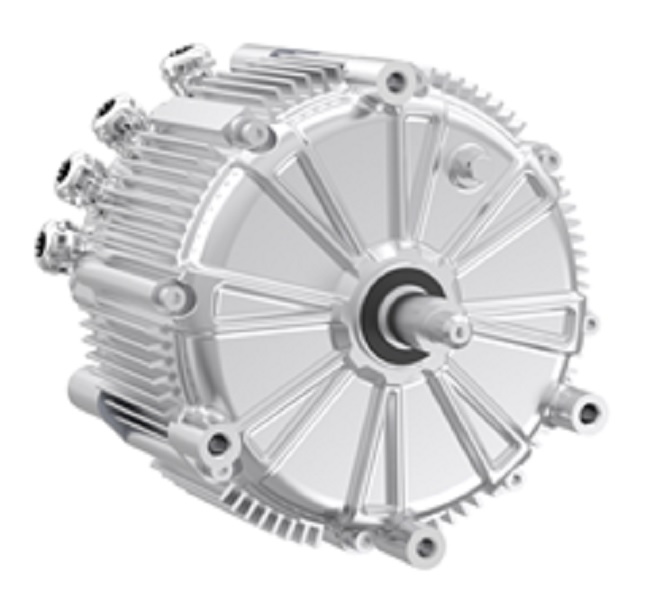
I want to lay the scene clearly: a machine stalls, operators scramble, and engineers hunt for root cause data. The data often points to mismatched control strategies, poor thermal margin, or mis-specified power converters (yes, those small decisions matter). So what should teams prioritize when choosing or upgrading motors — reliability, efficiency, or control sophistication?

I’m practical about trade-offs. I’ve seen projects where a focus on peak efficiency ignored maintainability and led to brittle systems. We need a short checklist to steer decisions, one that balances torque delivery, cost of ownership, and control complexity. I’ll sketch that out below — step by step — and show where the biggest failures hide. Next, we’ll unpack where traditional approaches fall short and why those gaps sneak up on teams.
Where traditional solutions fail for the permanent magnet synchronous motor
When I say “permanent magnet synchronous motor,” I mean the class of drives many teams choose for its high torque density and efficiency. But that choice alone doesn’t guarantee success. In practice, teams run into trouble because controllers, inverters, and firmware are treated as afterthoughts. Field-oriented control settings are often copied from a vendor template and left unverified under real load cycles. The result? Unexpected torque ripple, thermal hotspots, and flaky feedback from encoders. Look, it’s simpler than you think to miss these problems during lab tests — lab conditions are tidy, real life isn’t.
How do these faults show up on the floor?
They show up as intermittent stalls, noise complaints, and premature bearing wear. I’ve logged cases where the control loop tuning ignored sensor latency, producing oscillations that wear mechanical parts faster than expected. Another common flaw: oversized magnets used to hit short-term specs, but they exacerbate demagnetization risk at high temperatures. If you’re like me, you get frustrated—because these are solvable with better system-level thinking. In short: torque density and peak power specs get the headline, but control strategy, sensor selection, and thermal design write the operating story. — funny how that works, right?
New principles and practical steps for pmsm motor deployments
Moving forward, I favor principles that treat the motor and controller as one engineered system. For pmsm motor integration we must consider sensorless control options, robust encoder choices, and smarter inverter sizing. Start with a modest rule: match the control bandwidth to the mechanical bandwidth. If you push control too fast without the right sensors, you invite instability. Conversely, too slow and you lose responsiveness. From my experience, incremental gains in control fidelity often beat marginal gains in motor hardware alone.
What’s next — concrete actions
Here are three evaluation metrics I use when advising teams. First: closed-loop stability margin under worst-case loads — measure it, document it. Second: thermal runway margin — not just rated temp, but how the motor behaves during sustained high torque events. Third: maintenance realism — how easy is it to replace encoders, recalibrate controllers, or access the inverter? These metrics help you compare suppliers and make choices that last. I believe these measures save time and money over the product life — they also reduce the midnight firefights that make engineers exhausted.
Putting this into a procurement checklist makes decisions less emotional and more defensible. If you want a reliable partner whose parts and support align with these principles, consider vendors who publish control parameters and thermal maps openly. I’ll keep testing examples and sharing learnings as projects progress — and if you want a starting point, check the components and services from Santroll.