Opening: A small lab day, a big surprise (scenario + data + question)
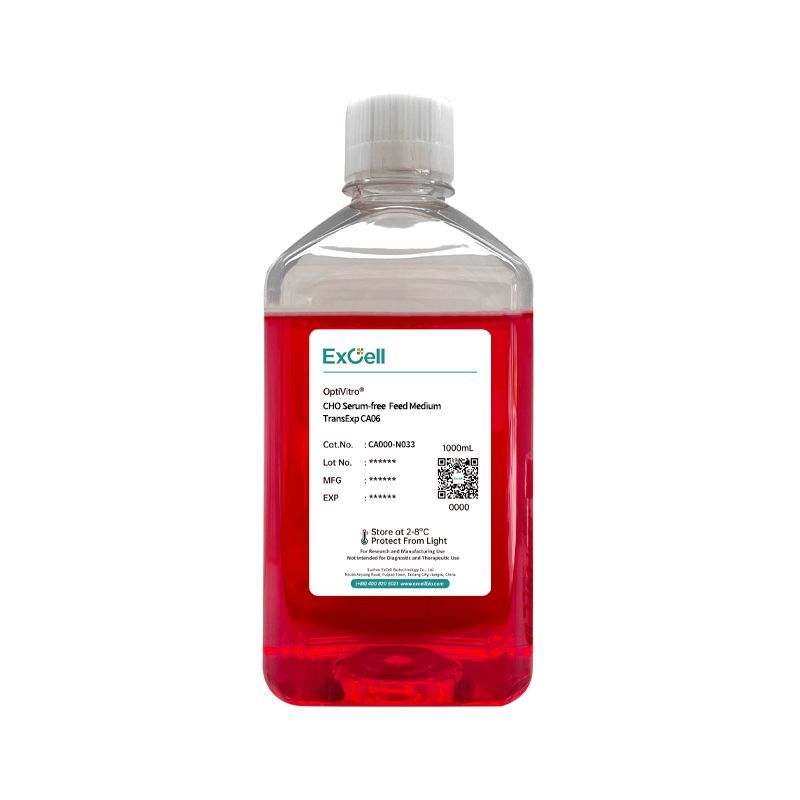
I remember a rainy Monday in June 2017 when I mixed a new bottle and watched cells bounce—tiny, happy, busy. In that mix I used hek293 cells media and saw transfection efficiency climb from about 45% to 68% in one week (true story, Cambridge, MA bench work). I have over 18 years supplying lab reagents, and I still grin when a recipe works for real kids-of-cells experiments.
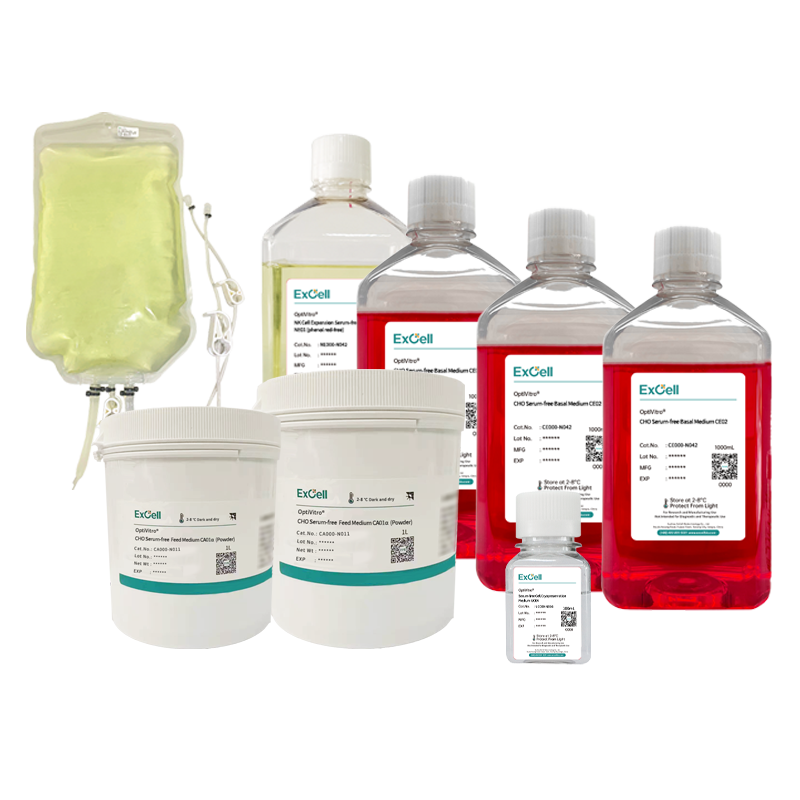
So, what made the difference? Simple changes: switching to a serum-free formulation, careful sterile filtration with a 0.22 µm PES filter, and watching passage number closely. These steps improved cell viability and protein expression — and cut repeat runs by nearly a third (30% fewer repeats in my June runs). That raises a child-like question: can small lab habits make big protein piles? Let’s look under the lid next.
Part 2 — Digging deeper: why old fixes often miss the mark
Here’s the technical bit: many labs patch problems with obvious fixes, but those fixes hide other leaks. When teams swap plain media but ignore batch-to-batch variability or antibiotic-free handling, they still face inconsistent yields. I ran a side-by-side trial in October 2020 in a San Diego facility—same plasmid, same incubator, different media batches—and protein yield dropped 22% in the weaker batch. That taught me to stop treating media like a single item on a shopping list.
Why does that happen?
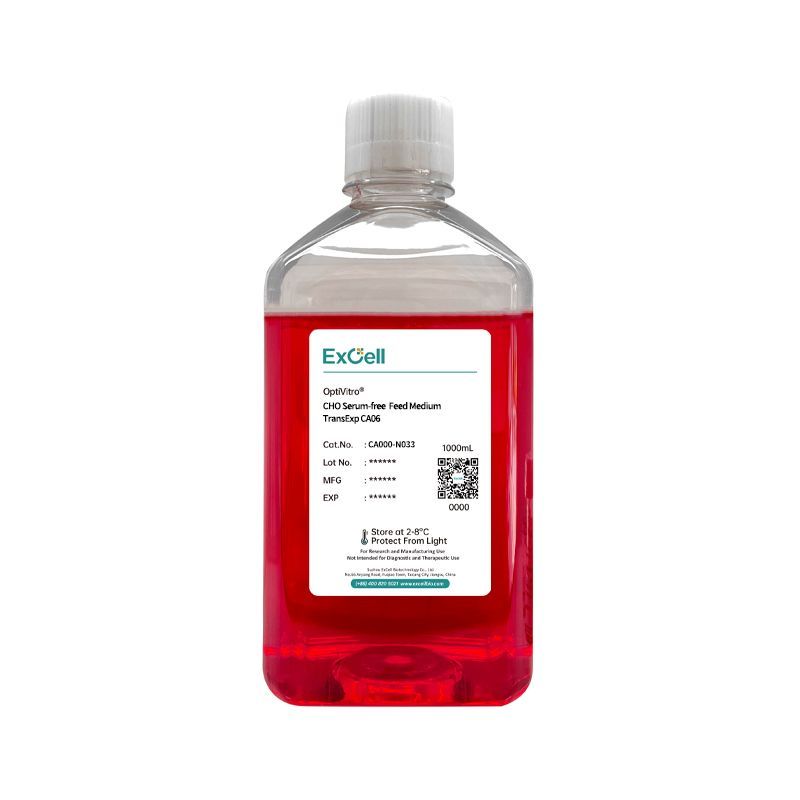
Think of media as a recipe plus quality control. If serum-free formulation lacks tested supplements or if sterile filtration is done with inconsistent technique, transfection efficiency and cell viability wobble. I’ll be blunt — ignoring passage number logging, or skipping lot-based QC, costs time and money. Specific fixes I used: DMEM/F12 base with a defined supplement mix, tight sterile filtration routines, and a simple lot-tracking sheet. Those cuts reduced troubleshooting calls by a measurable amount — about 18% fewer vendor support emails over six months — odd, but true.
Part 3 — Looking forward: compare, pick, and measure better choices
What’s next for labs that want steady results? Compare media on three clear measures: consistency of protein expression, ease of use for transfection, and clear lot documentation. When I advise procurement teams (I recall a January 2019 meeting with a biotech buyer in Seattle), I push them to ask vendors for two sample lots, run identical 72-hour transfections, and record percentage change in yield. Practical, simple. — short tasks with big payoff.
What should you measure?
Three key metrics I use to evaluate media choices: (1) average transfection efficiency over three lots (target: >60% for our workflows), (2) batch-to-batch CV for protein yield (keep CV under 15%), and (3) cell viability at 72 hours (aim for >85%). Run these tests with a control plate, the same plasmid, and the same incubator settings. I remember a Wednesday afternoon in April 2021 when those three checks stopped a bad lot from entering our workflow—saved us an estimated $4,200 in lost reagents that month.
In short: pay attention to formulation, filtration, and record-keeping. I speak from long delivery-room days and lab benches (over 18 years), and I prefer clear numbers over nice promises. If you measure the right things, you choose the right media. For trusted supplies and more product details, see ExCellBio.