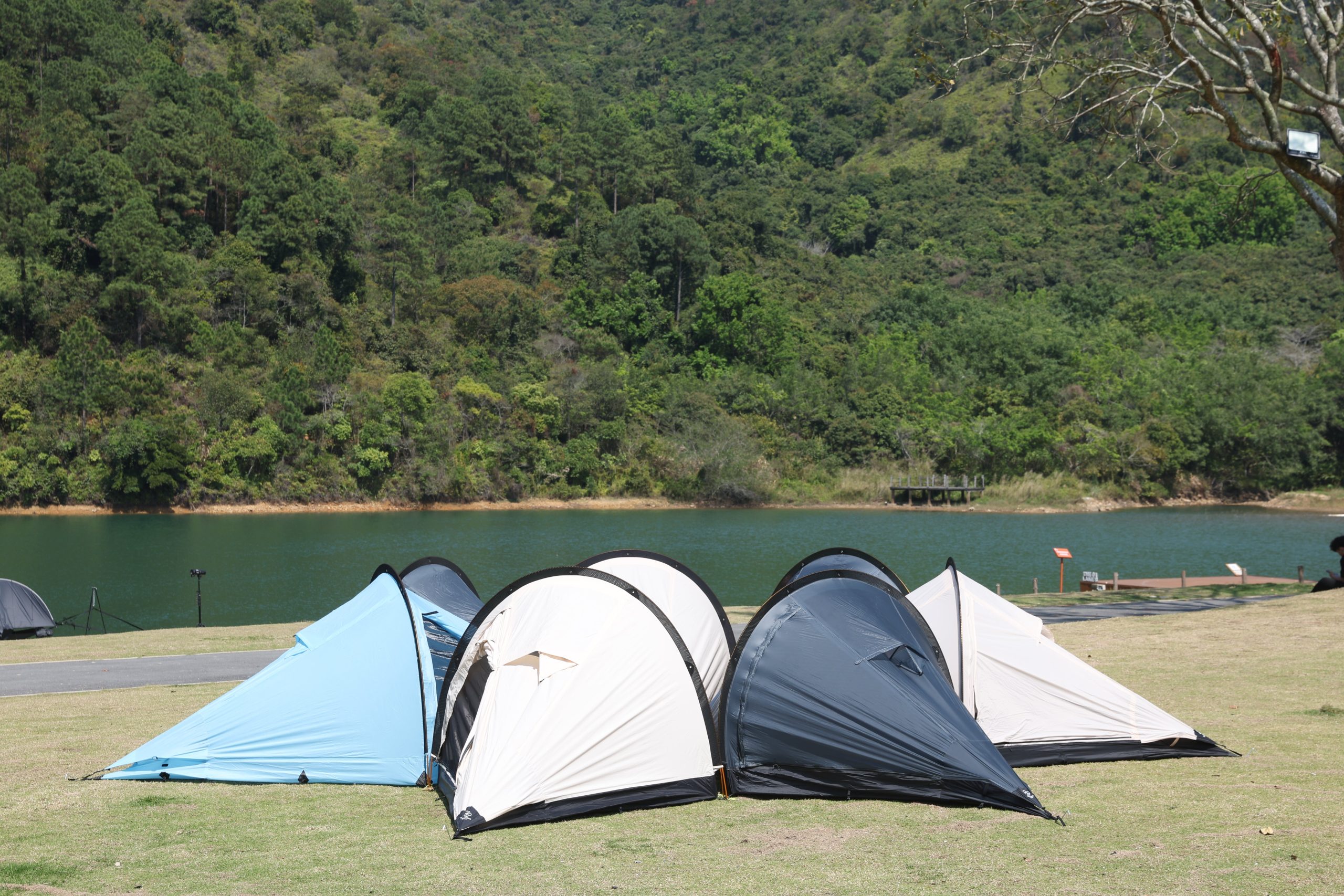
Where the comparison starts
Pick a wet night on the Long Trail and you’ll know why this matters: a tarp that keeps you dry can make or break sleep. Think of a tent with front porch—it’s not just gear, it’s a little roof that changes how you use shelter. This piece takes the straight-ahead Comparative Insight route: I’ll compare what each product is built to do, where they fail, and how to choose the one that fits your trip rather than your impulse buy.

What “flysheet” and “rain cover” actually mean
Flysheet: a full-coverage outer skin designed to keep wind-driven rain off the tent body while providing structural shelter. Designed for overlap, vents, and off-ground drainage. Rain cover (or rain fly): often a simpler, lighter add-on meant to shield seams and fabric from brief showers; sometimes only covers the top. Flysheets usually aim for full weather performance. Rain covers trade some protection for lower weight and compactness.

Materials, weight, and breathability—side-by-side
Flysheets are built from heavier, coated fabrics or cuben-style laminates with taped seams and reinforced attachment points. They add wind resistance and manage condensation better when layered properly. Rain covers use lighter nylon or silpoly with coatings that shed water but can cling and trap moisture against the tent if not staked correctly. If every ounce matters, a rain cover can win on the scale; if a downpour with wind is likely, the flysheet’s extra grams buy you dry gear and less pack anxiety.
Real-world test: Appalachian Trail nights and what they taught me
I’ve pitched shelters from Maine to Georgia, and nothing teaches the limits of a product like a week of wind and rain on the Appalachian Trail. The reliable lesson: modular designs that let you adjust coverage beat one-size-fits-all pieces. During those nights I leaned on an ultralight backpacking shelter setup that allowed me to switch between full flysheet coverage and a minimal rain cover depending on wind angle and group size. That hands-on experience, combined with field notes and repeated re-pitches, is the sort of practical expertise you want informing a purchase.
Performance trade-offs you can measure on the trail
Coverage vs. pack weight. Ventilation vs. dryness. Ease of pitch vs. adaptability. A full flysheet usually offers superior water diversion and wind buffering; it costs more weight and can be trickier to set up solo. A rain cover is fast and light but can let spray through at oblique angles and offers minimal wind blocking. If you camp with wet gear beneath the shelter, prioritize a flysheet with a generous vestibule or porch; if you’re moving fast and sleeping light, a rain cover may be the smarter compromise.
Common mistakes people make
1) Assuming “waterproof” equals complete protection—materials differ, and seams matter. 2) Neglecting pitch angle—an improperly angled flysheet channels water toward the tent instead of away. 3) Choosing the lightest option without testing vestibule space—gear can end up soaked simply because it didn’t fit under the cover. 4) Ignoring wind—light rain covers flap and leak at seams when gusts arrive. Don’t treat a setup as permanent; test it at home with a sprinkler and tighten the guylines until the fabric sings.
Alternatives and smart combinations
Consider tarps, integrated vestibules, and hybrid systems. A compact tarp plus a lightweight inner mesh shelter gives you low weight with configurable coverage. Some modern shelters let you attach a full flysheet when weather looks nasty and remove it when skies clear—best of both worlds. If you’re uncertain, buy a modular system or a flysheet that packs down small; you’ll have insurance for bad weather without committing to heavy kit all season.
How to decide for your next trip
Match the shelter to conditions: long, exposed routes with predictable storms need the coverage and stability of a flysheet. Short hops and fair-weather outings can lean on a rain cover or minimalist tarp. Factor in pitching speed, expected wind, group size, and whether you’ll store wet gear under the shelter. Make a list: expected weather, desired sleep comfort, and the absolute max grams you’ll carry. Use that to narrow choices quickly.
Final take
There’s no one-size-fits-all winner—only the right tool for the route. For me, reliability in off-trail wind and rain beats shaving a few ounces when a sustained storm is likely; when I want speed and lightness, a simple rain cover or tarp wins. If you want shelter that adapts to both approaches without drama, consider gear that’s intentionally modular; that’s what makes THECATAL feel like a practical part of the kit rather than a flashy accessory.