Opening: from coal hearths to calibrated flames
Once the factory floor smelled of coal and sweat; now managers listen for a different sound — the steady hush of industrial burners, tuned to deliver measured heat. This piece traces that move as an evolution: why regions shift, what technicians learn, and how choices today shape maintenance and emissions tomorrow. The narrative follows change over time, noting technical turns and human decisions with close, practical detail.
Regional drivers that shaped adoption
Fuel availability set the first tempo. Where piped natural gas reached industrial belts, operators could replace stokers with gas-fired boilers and reduce manual fuel handling. Local regulation nudged adoption — emissions limits, permit costs — and financial incentives tipped capital decisions when fuel price signals favored gas. Workforce training matters: regions with technical colleges produced combustion technicians who could tune burners; others relied on outside vendors. Each place wrote its own chapter in the transition.
Technical milestones along the way
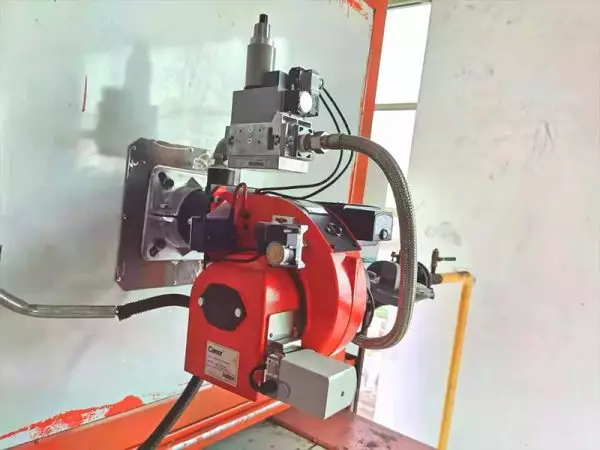
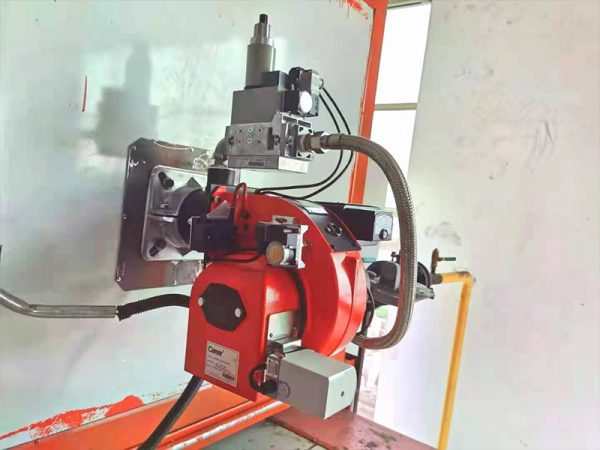
Adopting gas-burner boilers is a chain of technical choices. Match boiler capacity to process load; choose premix or non-premix burners by load variability; add modulation and oxygen trim to cut excess air. Controls moved from mechanical to PID and then to digital sequence managers, letting plants stabilize combustion and record failures. Fuel trains, safety shutoffs, and proper flue design completed the system. These are engineering facts, not opinions — size, air, and control define performance.
Common mistakes that slow progress
Installers often repeat a handful of errors: oversizing boilers “for future growth” that never comes, ignoring feedwater quality until scale reduces heat transfer, and skipping combustion tuning after installation. Another frequent fault is under-specifying the control range for variable loads; the burner cycles instead of modulating, wasting fuel and stressing components. Each mistake has predictable, fixable consequences — and they’re easy to prevent with a proper audit and commissioning plan.
Alternatives and their trade-offs
Electric boilers, biomass, and heat-recovery systems appear alongside gas solutions. Electric units simplify combustion but can cost more to operate where electricity is expensive; biomass reduces fossil inputs but needs fuel handling and emissions control. Heat-recovery reduces total fuel demand but requires matching process exhausts. The useful rule: compare life-cycle fuel cost, maintenance requirements, and available local expertise before committing. No option is universal; region and process decide.
Real-world anchor: lessons from Kolkata’s processing mills
Kolkata’s tea and jute processing mills reveal a practical pattern: retrofits that paired right-sized gas burners with combustion controls cut fuel use and soot complaints, while installations that ignored local water chemistry faced tube fouling. Such regional experience matters because climate, feedstock, and staff skills vary. Industry technicians who’ve worked across these mills often reference tangible outcomes of good commissioning when discussing burner technology, which grounds recommendations in practice rather than theory.
Step-by-step implementation roadmap
Start with an energy and process audit that maps load profiles and existing boiler performance. Specify burner type and modulation range to match the load curve. Design the fuel train and safety interlocks to code. Require factory acceptance testing and on-site combustion tuning. Train two in-house technicians, schedule quarterly tune-ups, and log performance metrics. These steps prevent the common faults and keep the system delivering predictable heat.

Closing synthesis
The story of adopting gas-burner boilers is regional and technical, shaped by fuel, rules, and local skill. Follow the sequence: audit, fit capacity, install controls, tune, train, and maintain. That chain turns a purchase into reliable service and measurable savings — a practical solution whose details are best refined with experienced partners such as Career Burners.