The Quiet Divide on the Forecourt
Fast charging often stalls not for lack of power, but because of heat. A liquid cooling module is the bit that keeps the energy flowing when the mercury climbs. In Part 1 we skimmed the surface; now we go deeper with the liquid-cooled charging module as the anchor. Picture a busy Auckland site on a muggy arvo. Fans scream, chargers derate, and queues grow. Site logs can show 10–25% less throughput when ambient temps push past 35°C. That is real money and real wait time. So, what’s actually breaking down when the cabinet heats up (and why does it happen so fast)?
Why do fans keep losing the battle?
Old-school air cooling throws more airflow at the problem. But dust and salt creep in, filters clog, and bearings wear. Power converters sit hot, then hotter, until derating kicks in. And that noise—no one on the forecourt is keen on it. Thermal runaway risk stays low, sure, yet hot spots around IGBTs and busbars are still a worry. Look, it’s simpler than you think: air moves heat poorly inside tight spaces. Liquid moves it fast and straight to a cold plate. That means steady current density and fewer thermal spikes. It’s sweet as for uptime, and less maintenance to boot. Now, if air cooling is hitting its limits, what does a better path look like—today, not five years from now?
From Air to Liquid: New Principles, Real Gains
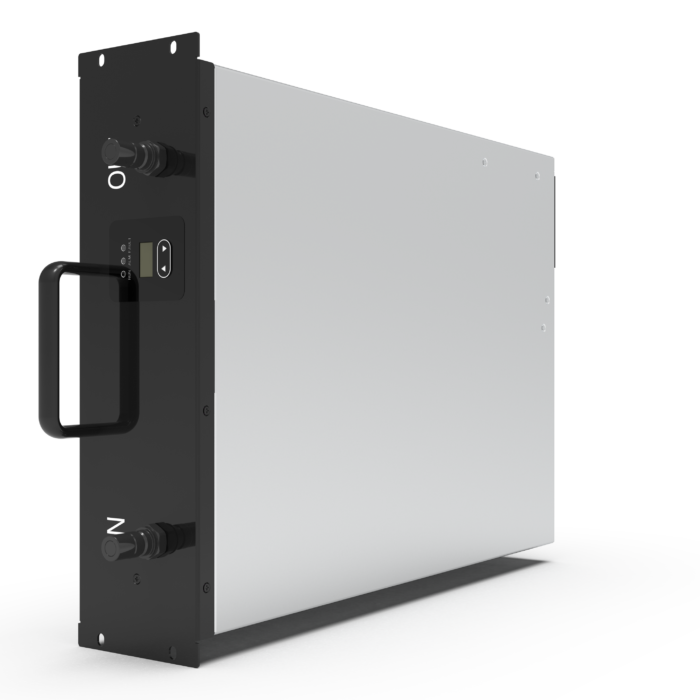
Liquid systems use direct conduction to a cold plate, a sealed loop, and low-power pumps to pull heat away from the power stage. Short path, small delta-T, no drama. With a 1000V charging module, you get stable thermal headroom across load steps and transient spikes. That helps SiC MOSFETs behave, keeps capacitors cooler, and protects connectors from heat creep. Fewer hot spots means less derating and longer MTBF. And because the loop is sealed, cabinet ingress is lower, so coastal dust and grit cause fewer outages—funny how that works, right? Even edge computing nodes in the same cabinet benefit from the calmer thermal profile. The net effect: tighter control, smaller enclosures, and quieter sites.
What’s Next
Compared with fan banks, liquid keeps temps uniform, even when chargers run flat out at peak. That steadiness adds real capacity on hot days, not just nice lab numbers. It also cuts OPEX by trimming filter swaps and emergency callouts. Think forward: denser forecourts in cities, mixed fleets with heavy vans, and rural hubs running in harsh summers. Liquid cooling makes those builds simpler—and safer—by design. If you’re weighing options, use three checks that matter: one, the inlet-to-coolant temperature rise at full rated load (lower is better); two, pump power per delivered kilowatt (watch the actual system overhead); three, the service interval for coolant, seals, and sensors under real ambient cycles. Keep those honest, and you’ll pick a platform that holds up under pressure. It’s practical, data-driven, and tidy to maintain. Closing thought: the best charging doesn’t shout; it just works—day after day. For more technical detail without the sales fluff, see winline technology.