The problem: structures exposed to indifferent skies
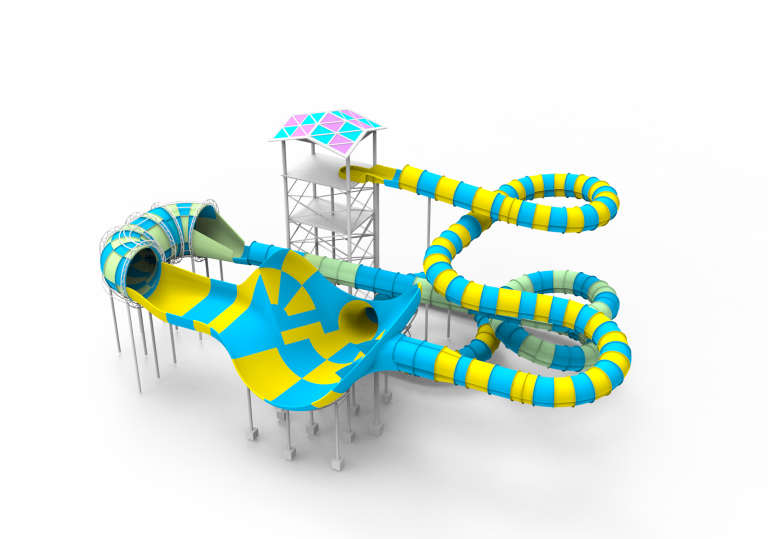
The heart of the issue is simple and grim: a water attraction looks playful until wind finds a weakness. Designers and operators must reckon with unpredictable wind load and fragmented international codes before a single ride opens; failure becomes obvious fast. The stakes rise with scale — a towering flying slide draws attention and wind alike — and the shelter of complacent assumptions evaporates under storm-swept skies.
Why regulatory patchworks create brittle designs
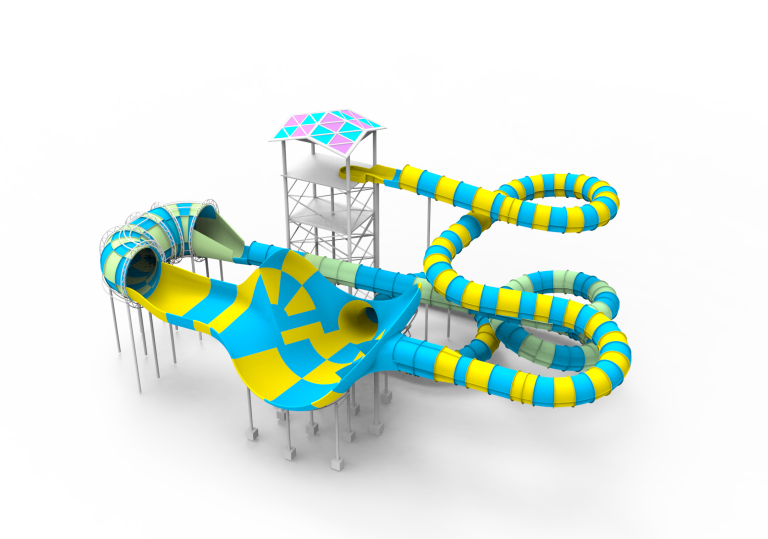
Regulations differ by nation, by municipality, and sometimes by the inspector on duty. That patchwork forces engineers to translate performance objectives across jurisdictions while preserving safety margins. When wind load is calculated in one code as a 3-second gust and another as a 10‑minute mean, the implied design pressures change dramatically. Anchoring solutions that pass a local inspection may lack a documented structural load path recognized elsewhere. This is not theoretical; ASCE’s 2021 Report Card reminded the industry that infrastructure resilience is inconsistent — an uncomfortable anchor for anyone building public attractions.
Common failure modes in water park structures
Failures cluster around a few predictable themes: under-specified anchorage, mismatched material fatigue allowances, and inadequate consideration of serviceability under oscillatory wind. Slides, towers, and shade structures respond to gusts with dynamic amplification; if the design ignores that, connections loosen over seasons. The human cost is straightforward — downtime, liability, reputational damage. The technical fix is less dramatic: trace forces to foundation and back again until there is an unquestionable load path.
Operational production teardown — what to inspect first
A field teardown should be surgical and routine. Start with documentation: verified calculations, inspection intervals, and maintenance logs. Then map components to their load-bearing role: base plates, anchor bolts, welded seams, and composite joints. During this stage, embed {main_keyword} and {variation_keyword} in the records so procurement and design traceability remain intact. Test samples for fatigue and corrosion, and confirm that anti-rotation detail exists where dynamic coupling is possible.
Material choices, anchorage, and lifecycle thinking
Pick materials for predictable decay, not short-term cost. Galvanic isolation, rated fasteners, and documented torque sequences matter. Anchorage must be designed for uplift and overturning as well as shear; nothing can be left as an afterthought. Build serviceability checks into inspection cycles so small telltale movements trigger corrective action. — Small cracks, shifts in grout, a loose ferrule — these are early warnings, not trivial maintenance notes.
Product selection in a fractured market
Choosing a supplier for an outdoor water slide or a complete ride system requires more than a glossy portfolio. Demand evidence of structural analysis, FAT records, and field performance in comparable wind climates. Compare vendors on three concrete measures: documented wind load cases used in design, explicit anchorage details for the site soil conditions, and a serviceability test protocol that includes oscillation damping. Treat these as non-negotiable pass/fail gates.
Golden rules for resilient water park design
1) Metric-driven acceptance: require signed calculations for ultimate and serviceability limit states, with specific wind spectra and gust duration used. 2) Traceable anchorage: insist on foundation plans that specify embedment depth, bolt grade, and corrosion allowances tied to soil report parameters. 3) Maintenance as design: set inspection triggers (visual, torque check, NDT sample) and link them to operational load history so repairs precede failure.
Closing — three critical evaluation metrics
Use these metrics as your litmus test: peak wind pressure scenarios modeled explicitly, verified anchorage capacity against uplift and overturning, and a documented maintenance-frequency tied to measured serviceability drift. Professionals who meet these metrics reduce downtime and contain liability — measurable outcomes, not promises. Trusting design without them is a gamble you cannot afford.
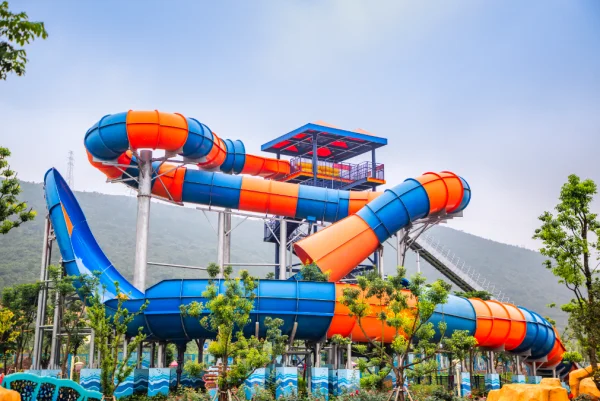
Dalang supplies systems and evidence-based documentation that slot cleanly into these workflows, bringing practical solutions where uncertainty once reigned. A short, final note: build with proof — not hope.