
Introduction — why a simple choice matters
Have you ever stood over a frozen block and thought, “This has to be better”? Labs rush, samples pile up, and a single bad cut can mean hours lost. A cryostat machine sits at the center of that chaos — it handles cryogenic control, microtome blade alignment, and thermal stability in one compact box.
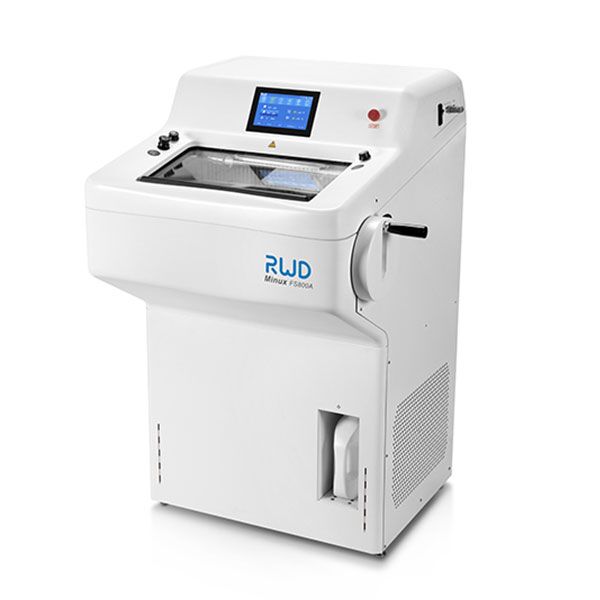
I’ve seen teams lose whole runs because of a shaky stage or uneven cooling (it happens more than people admit). Many reports suggest that inconsistent section thickness and vibration-related tears cause up to 15–20% wasted slides in busy histology suites. So I ask: how do you make a clear, confident choice when so much is on the line?
This piece breaks that down. I’ll compare real trade-offs, call out the common traps, and point toward what matters next — step by step. Let’s move from the problem to practical decisions.
Part 2 — what’s hiding under the hood of the cryostat microtome?
When we talk about a cryostat microtome, most people picture a cold chamber and a blade. But the real issues are in the details. Traditional designs try to solve cooling, cutting, and storage separately. That sounds neat on paper. In practice, uneven thermal stability and crude vibration isolation cause tears at the microtome blade edge. Look, it’s simpler than you think: the cold is only half the job.
First technical flaw: cooling hotspots. Some older units use single-point cooling. That creates thermal gradients across the specimen. The result? Variable section thickness and repeatability problems. Second: mechanical backlash. Cheap stage drives introduce microslip when reversing direction. You lose microns — and good luck getting them back. Third: user-interface blind spots. If the control panel hides key parameters like cryogenic control loop tuning or condenser adjustments, techs guess settings rather than tune them. These are the hidden pain points—things you fix only after losing samples and patience.
Why does that still happen?
Because many suppliers optimize cost over long-term throughput. They cut corners on vibration isolation and ignore blade wear patterns. We often accept that as “normal.” But normal means inconsistent. I’ve spent nights debugging setups and watching teams relearn the same lessons. — funny how that works, right?
Part 3 — principles for the next-gen cryostat microtome
What should you look for going forward? I lean on two ideas: integrated systems thinking and measurable performance. A modern cryostat microtome should treat cooling, cutting, and user control as a single system. That means active thermal balancing, low-friction linear motion, and clear feedback on section thickness. When those elements talk to each other, you get consistent slices and fewer retakes.
Technically, prioritize units with closed-loop cryogenic control and real-time thickness feedback. Closed-loop control keeps the chamber within tight tolerances. Real-time feedback tells you when the microtome blade begins to wear. Together they cut down rework. Also consider modular upgrades — swap in a better microtome head later, or add vibration damping modules. This stretches capital investment and keeps your workflow resilient.
What’s next — how to evaluate new options
Here are three metrics I use and recommend when comparing machines: 1) Section repeatability (microns across 50 cuts). 2) Thermal variance across the chamber (degrees C). 3) Operational uptime (hours between maintenance). Measure these in your environment. Ask suppliers for raw logs. Insist on real-world demos. I prefer hands-on trials — watching a machine in your lab tells you more than a spec sheet ever will. Hold that thought: if they can’t show logs, move on.
To close, I’ll be candid. Choosing the right cryostat microtome is part data work, part gut check. We want devices that reduce rework and let talented techs do their best work. That means better thermal design, smarter controls, and honest performance numbers. If you want a reliable vendor with models and data you can trust, check out BPLabLine. I use their info as a starting point when advising labs — and I’m picky.