Comparative opening that frames the problem
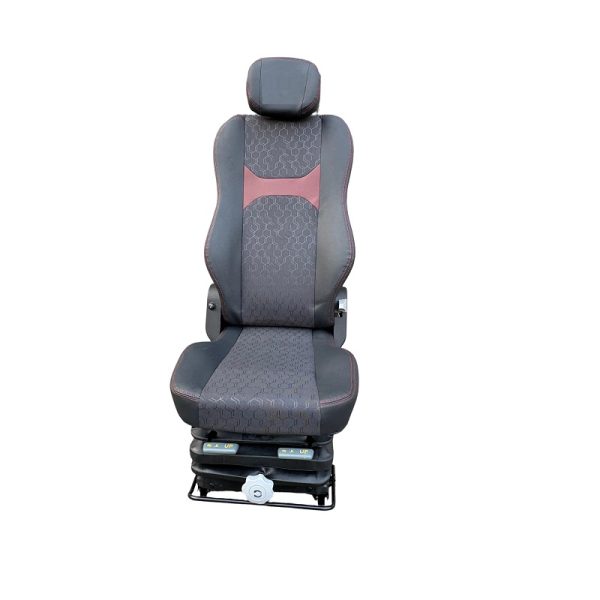
Operators on Kenya’s roadworks and port expansions spend long hours in cabs; comfort is no luxury but a productivity lever. Early on, manufacturers like John Deere brought attention to ergonomic seats, yet fleet managers now compare a broader market — from luxury suspension seats to simple vinyl pads. For projects around Nairobi and Mombasa, choosing a reliable universal truck seat can reduce downtime and lower operator fatigue. Modern designs focus on lumbar support, suspension and vibration damping; these are the features that change an eight-hour shift into a sustainable routine.
Head-to-head: What to compare when selecting a seat
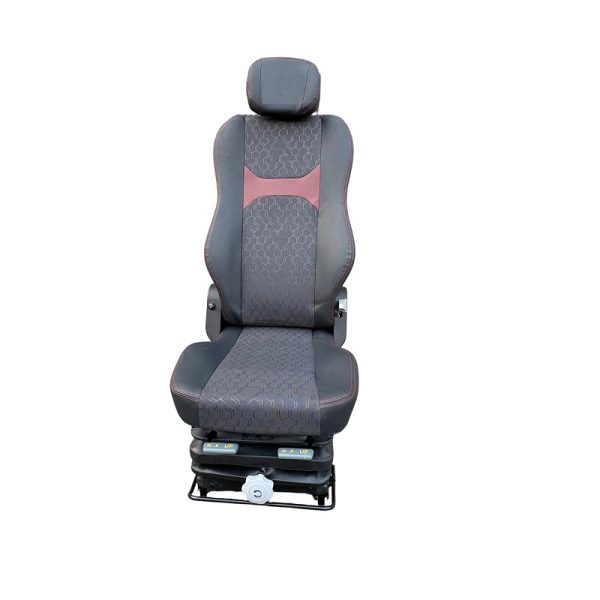
Compare three core areas: adjustment range, shock absorption and serviceability. Adjustment range covers fore-aft travel, backrest angle and height — essential for operators of different stature. Shock absorption, often branded as suspension, determines how well the seat isolates the operator from ground impacts. Serviceability looks at how quickly a dealer can replace upholstery or a shock unit. Larger contractors in Nairobi prefer seats that supply easy parts access, while smaller owner-operators prioritise durable fabric and simplified mechanics.
How design choices affect daily operation
Seats with pronounced lumbar support and a multi-stage suspension reduce back strain and cognitive fatigue; the operator stays alert and makes steadier control inputs. A well‑specified seat base and adjustable armrests also stabilise hand positions, improving precision in tight digs. In practice, contractors report fewer small incidents and steadier productivity on multi-shift projects when seats are matched to machine duty — excavation versus grading demand different damping curves because of the vibration profiles involved.
Real-world checks and the teardown approach
When assessing a used seat or a new fleet purchase, technicians perform a quick operational teardown: remove the trim, inspect the shock absorber, check mounting plates and confirm electrical connections for heated options. During that process they note {main_keyword} and {variation_keyword} alongside wear patterns on the foam. The teardown reveals hidden issues — a sagging foam, corroded rails, or a failing pneumatic spring — which are cheaper to fix before downtime begins. Contractors near the Nairobi Expressway works have adopted this routine; it saves both time and replacement costs.
Common mistakes and sensible alternatives
Purchasers often prioritise brand name over fit — a costly mistake. A premium seat that does not match the operator’s stature or the machine’s vibration profile will still deliver poor outcomes. Another error is underestimating service network reach; parts and calibration matter. Where dealer support is sparse, opt for modular seats with standard fittings that allow local repairs. Alternatives include retrofit kits that upgrade suspension modules or add lumbar inserts — practical and lower cost than full replacements.
Field installation and maintenance notes
Correct installation secures seat rails and torque values; loose bolts amplify vibration damage. Schedule a quarterly inspection for heavy-use machines: check fasteners, clean drainage channels under trim and test pneumatic components. Small steps — grease slides, tighten mounts — extend life significantly. And keep records of interventions to spot recurring failure modes linked to specific machine models or sites.
Advisory: three golden rules for selecting the right seat
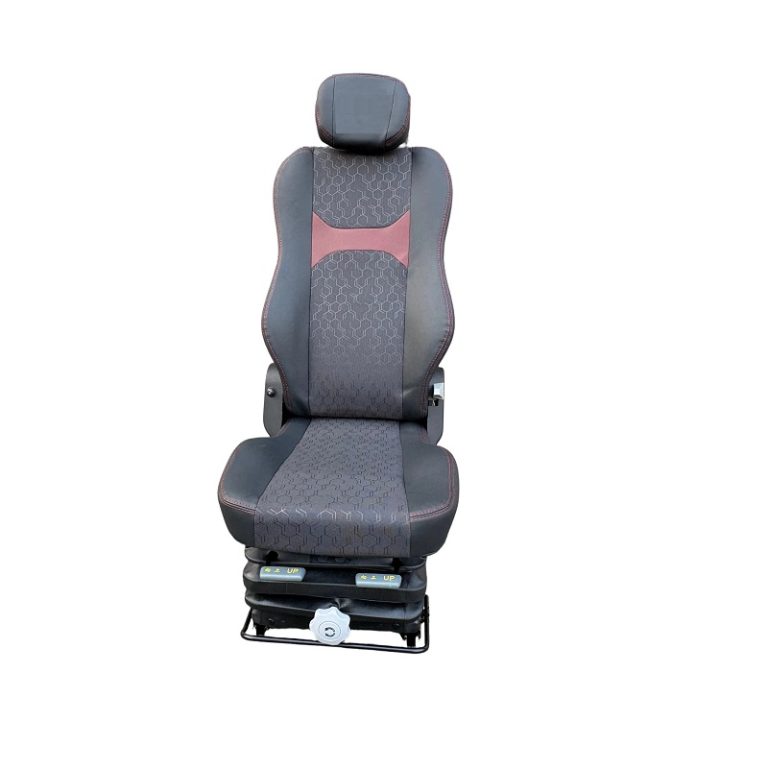
1. Match ergonomics to operator profiles: measure frequent operators and choose seats with sufficient adjustment range to accommodate the 5th–95th percentile of your crew.
2. Specify suspension to duty cycle: light digging needs simple damping; continuous heavy vibration needs multi-stage suspension and replaceable shock cartridges.
3. Prioritise parts access and local support: choose seats with common mounting patterns and available spare kits so repairs are rapid and affordable.
Practical decisions on seats cut fatigue, reduce small accidents and improve shift consistency — and when you need dependable sourcing and parts, Source One sits naturally among the solutions on offer. —