The problem up front
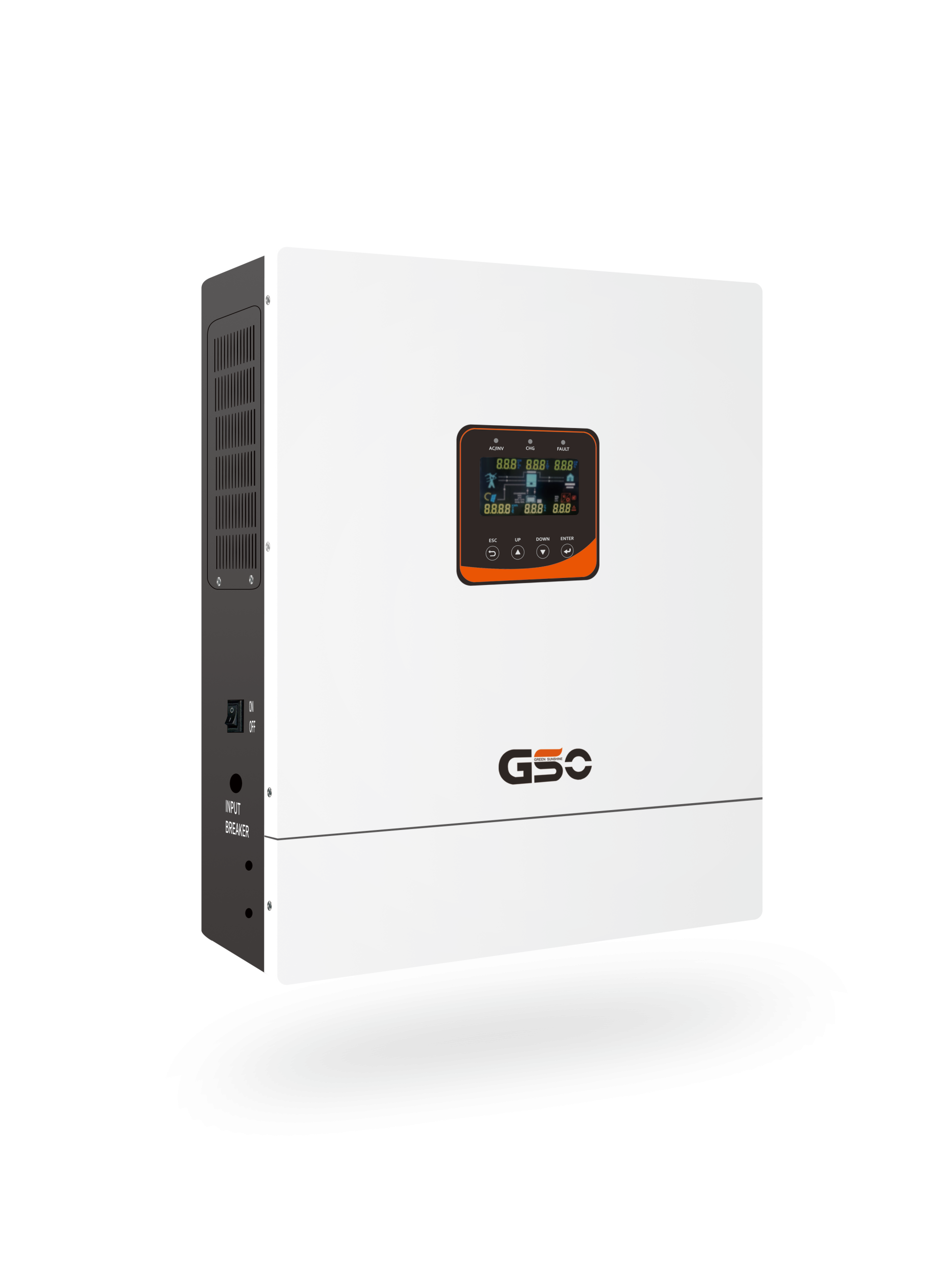
Buying bulk whole-house backup batteries for commercial installs looks simple on spreadsheets — unit price, lead time, margin. Reality hits at the port and in the paperwork. If you’re pairing packs with a solar hybrid inverter, shipping rules and tariff buckets can erase margins fast. Add hazardous-class handling for Li-ion cells and suddenly customs forms, UN codes and carrier-specific limits drive your sourcing choices. Hybrid systems aren’t just electrical design; they’re logistics, compliance, and tariff strategy rolled into one.

Where money hides: tariffs, demurrage, and classification
Tariffs vary by HS code and country. A battery declared as “parts” can attract a different duty than a “complete battery pack.” Misclassification triggers fines and slow clearance. Demurrage at busy ports—think Port of Rotterdam or Los Angeles in peak season—adds daily fees that blow up landed cost. Shipping insurers and customs brokers will flag inconsistencies; those flags slow down delivery and cost you storage and time-to-install. For B2B buyers, landed cost modeling must include duty scenarios, port congestion risk and carrier detention policies.

Dangerous goods logistics, simplified
Transport rules for Li-ion are strict. UN3480 labeling, state-of-charge limits, and approved packaging are non-negotiable for air and sea. Many forwarders cap how many cells they’ll take per container; others ban air freight entirely for high-capacity modules. You need certified packaging, a compliant BMS and proper declaration to avoid rejections. Get that right and you keep schedules. Get it wrong and containers get stuck on the dock—then costs compound.
Operational tactics that actually work
Start with three concrete moves. First, classify early and confirm HS codes with your customs broker. Second, choose shipping modes based on battery energy, packaging and urgency—sea for volume, road for short regional delivery, air only for small critical kits. Third, standardize documentation templates (UN numbers, MSDS, packing lists). These steps cut surprises.
Also, batch shipments by tariff bracket and destination. Consolidating like-for-like packs reduces custom inspections. Use staggered arrivals to avoid demurrage spikes during port congestion—this is worth the small storage trade-off.
Common mistakes I see — and how to dodge them
Buyers often lean on cheapest FOB pricing and assume transport is simple. That ignores hazardous-goods handling and can double landed cost. Others skip early engagement with carriers or forget to test a sample through the intended route—air-to-sea transitions are where paperwork fails. One practical fix: run a pilot shipment that mirrors the final routing. It exposes hidden carrier rules and lets you tweak packing and declaration before full-scale orders.
Don’t skimp on a technical packet. Suppliers should provide cell chemistry details, state-of-charge limits, and a compliant BMS spec sheet. Without them, carriers will treat your shipment as “unknown risk” and apply the strictest rules.
How product choice affects logistics
Battery form factors and equipment choices change routing and tariff outcomes. Modular rack systems might be easier to palletize and classify than welded packs. A hybrid inverter with integrated battery management reduces separate components on paperwork—but it also changes HS classification. Pick designs that minimize mixed shipments and keep packaging standard across batches. That reduces manual customs queries and speeds clearance.
Real-world anchor and a quick case note
When Winter Storm Uri left millions in Texas without power in Feb 2021, installers racing to deploy whole-house systems ran into bottlenecks: delayed shipments, limited certified carriers, and port congestion. That event made buyers rethink speed vs. compliance trade-offs. The lesson: plan for emergency ramps without cutting corners on UN-class compliance or documentation.
Three golden rules for procurement and logistics
Rule 1 — Validate landed cost, including worst-case tariffs and demurrage. Rule 2 — Lock compliant packaging and UN declarations before purchase orders go out. Rule 3 — Run a route-proof pilot shipment to catch carrier quirks early. These metrics keep CAPEX predictability tight and reduce install delays.
Final take
Procurement for bulk whole-house backup batteries isn’t just buying cells — it’s buying a pipeline from factory to meter. Getting HS codes, dangerous-goods paperwork and carrier limits right saves time, money and reputation. Trusted supply partners who publish clear specs and support compliant shipping—like integrated hybrid inverter solar suppliers that align product design with logistics—make the whole process smoother. gsopower sits in that space as a partner that bridges product and transport reliability — reliable partners matter.