
Introduction: A Common Morning, A Stark Statistic, A Question
I was at a commercial site last month watching fleet drivers queue for charging—ten trucks, one fast charger, and a lot of frustration. An all-in-one charging station promised simplicity, but the reality fell short: delays, heat shutdowns, and confusing billing (sound familiar?). Industry numbers show DC fast charging adoption rising by double digits annually, yet uptime complaints remain high. So how do you pick a solution that truly fits your operation and avoids costly downtime?
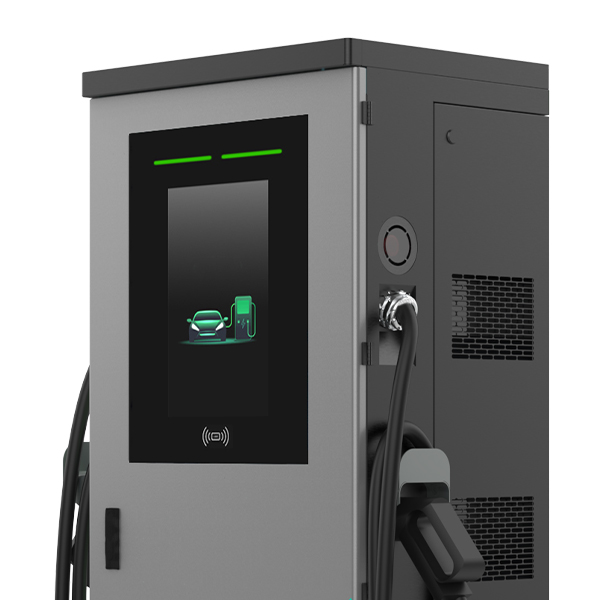
In this piece I’ll walk you through what I’ve learned from hands-on installs and field testing. I’ll be frank: some vendors oversell features and underdeliver on reliability. We’ll cover practical checks you can do, hidden pain points operators miss, and a forward-looking view on what matters as charging scales up. Let’s get into the specifics—so you don’t repeat the same mistakes I’ve seen elsewhere.
Part 2 — Why Traditional Solutions Fail: A Technical Look at Root Causes
ev charging provider offerings often sound great on a spec sheet, but the devil lives in integration: power converters rated for short bursts, thermal management that struggles under sustained load, and software that doesn’t talk to your fleet telematics. I’ve seen installations where the charger’s cooling plan was marginal from day one—leading to repeated derates and repairs. That’s not just inconvenient; it bleeds operating margin.
What’s the real failure point?
Look, it’s simpler than you think: poor system-level design. Vendors will list peak kW and connector types (CCS2, CHAdeMO), but they often overlook practical realities like site-level electrical constraints, harmonics, and grid interlocks. In plain terms—if the upstream transformer or switchgear can’t support sustained power, the charger will be throttled. I recommend checking grid capacity, thermal design, and the charger’s power electronics architecture before buying. Also—ensure your provider supports OTA firmware updates and remote diagnostics; those features save days of onsite troubleshooting later.
Part 3 — Future Outlook: Practical Steps and Case Notes for Scaling Right
Looking forward, I expect modular architectures and smarter energy management to dominate. Providers building systems around modular power stacks and advanced power converters will win because they enable easier upgrades and maintenance (and lower downtime). For example, a fleet operator I advise swapped a legacy bank of chargers for a modular 200kw charger setup—installation took less time, and they benefited from load balancing that cut peak demand charges. Real improvements, measurable savings. — funny how that works, right?
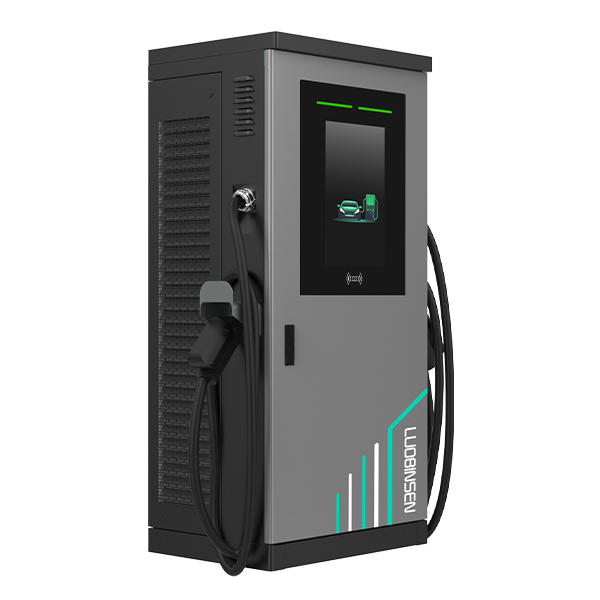
In practical terms, here are three evaluation metrics I use when advising clients: 1) Effective uptime (measured over 90 days under real load), 2) Thermal and derating profile (how performance changes under heat), and 3) Integration flexibility (open APIs, standards like OCPP, and support for V2G where relevant). Apply these metrics when you compare propositions. They reveal the difference between marketing and real-world performance. You’ll find the best choices balance power electronics, software, and site readiness—not just a flashy headline kW number.
Ultimately, choosing the right all-in-one charging station is about realistic expectations and system thinking. I’ve been in the field long enough to say: don’t buy the feature list—buy the support model and architecture. If you want a trusted partner for testing or deployment, consider vendors who can demonstrate field metrics and provide clear upgrade paths. For more detailed product information, check Luobisnen.