
A speculative moment: the role of cooling in tomorrow’s energy stack
Imagine a city where rooftop arrays, microgrids, and utility-scale batteries hum together like a living organism — but one wrong cell temperature spike can cascade into thermal runaway and shut down entire districts. Asset managers who plan for that future are already favoring liquid-cooled designs for commercial battery storage. The logic is simple in this imagined near-term: better thermal control means fewer surprises, longer life, and more predictable returns when systems operate at grid scale with 3-phase inverters and high-power dispatch profiles.
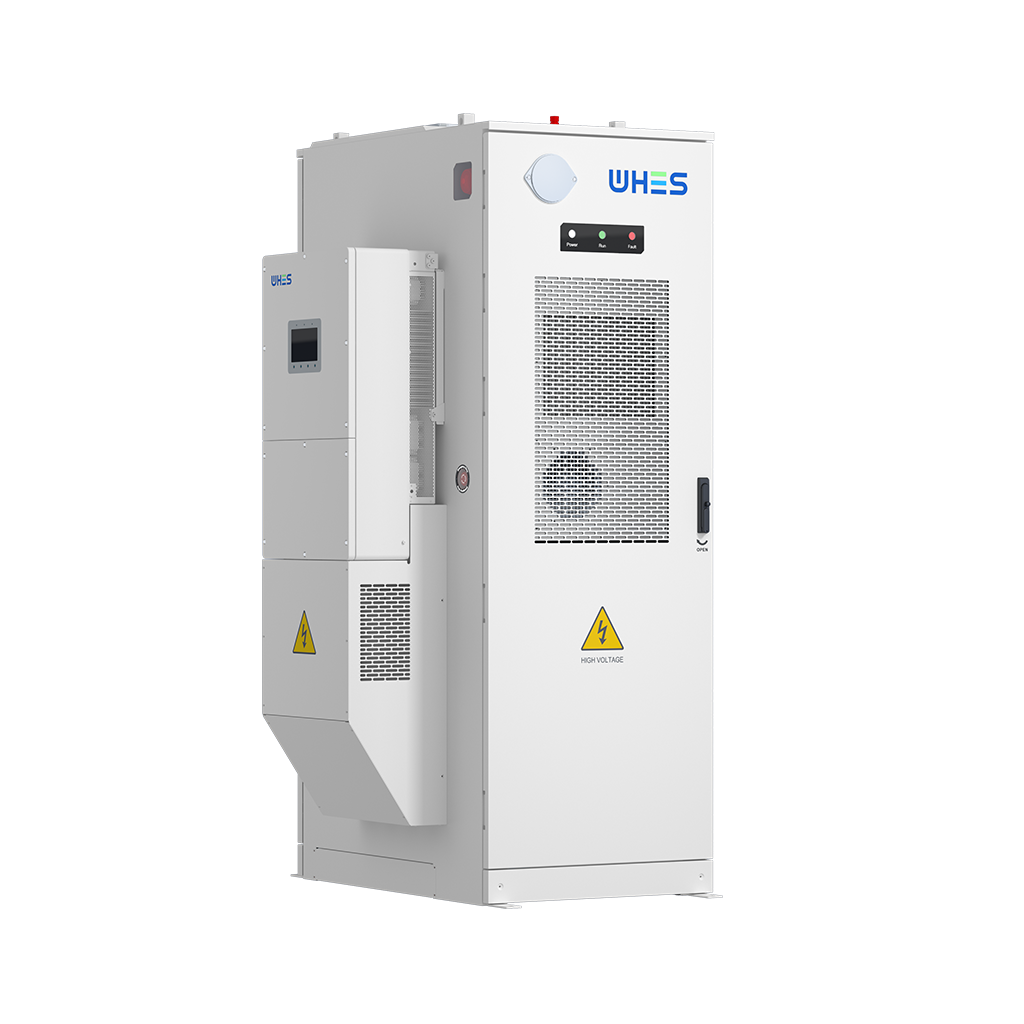
Why liquid cooling looks inevitable at scale
Liquid cooling brings actively managed heat transfer into the battery rack. Where air-cooled systems rely on convection and large fans, liquid-cooled architectures use coolant loops, heat exchangers, and targeted thermal plates to keep cell temperatures uniform. That lowers peak temperatures and narrows gradients across modules — which reduces the probability of thermal runaway and eases the burden on the battery management system (BMS). In practical deployments of commercial and industrial energy storage, this uniformity translates to fewer emergency shutoffs and steadier power quality during extended discharge events.
Comparative look: performance, safety, and lifecycle
At a glance, the trade-offs are clear:
- Thermal performance: Liquid systems dampen hot spots faster than air, improving cycle efficiency and enabling higher continuous power from a single rack.
- Safety: Reduced thermal gradients lower the chance of cell-to-cell propagation; combined with modern fire-detection, this reduces catastrophic failure risk.
- Space and acoustics: Liquid cooling often yields more compact racks with quieter operation; air-cooled plants need larger airflow paths and louder ventilation systems.
- Maintenance: Liquid loops introduce plumbing and coolant-service needs, while air systems trade that for filter and fan maintenance.
Neither is universally “better” — but for high-utilization, utility-scale, or 3-phase solar battery arrays where duty cycles are aggressive, liquid cooling frequently produces superior availability and lower total cost of ownership over the installed life.
Real-world anchors and regulation
Standards like NFPA 855 (the consensus standard for energy storage) and recent local code updates followed a string of high-profile incidents that pushed regulators to clarify siting, monitoring, and suppression requirements. That regulatory tightening has nudged owners toward systems that offer demonstrable thermal controls and integrated fire-mitigation strategies. Operators in regions with dense urban siting — think major grid jurisdictions in California and New York — now plan around both performance and compliance, preferring solutions that make inspections and emergency response simpler.
Operational considerations and common missteps
Many teams pivot to liquid cooling thinking it’s a plug-and-play upgrade — that’s a mistake. Integration needs careful thought around coolant chemistry, leak detection, and interactions with HVAC and fire suppression. BMS algorithms must be tuned for new thermal dynamics, and commissioning should include thermal mapping under realistic duty cycles. — Don’t assume lab numbers will match the field; test with full-power 3-phase inverter loads and the actual dispatch profiles you expect to run.
How asset managers actually decide: a pragmatic checklist
When evaluating systems, managers weigh four practical axes:
- Reliability under full-load cycling (does thermal management prevent derating?)
- Safety case and compliance (can the design satisfy NFPA 855 and local AHJ concerns?)
- Operational cost (service intervals, coolant replacement, fan power draw)
- Integration complexity (how the system ties into existing 3-phase switchgear and SOC controls)
In many commercial and industrial energy storage projects, the incremental complexity of liquid cooling pays back through higher usable capacity and fewer emergency interventions.
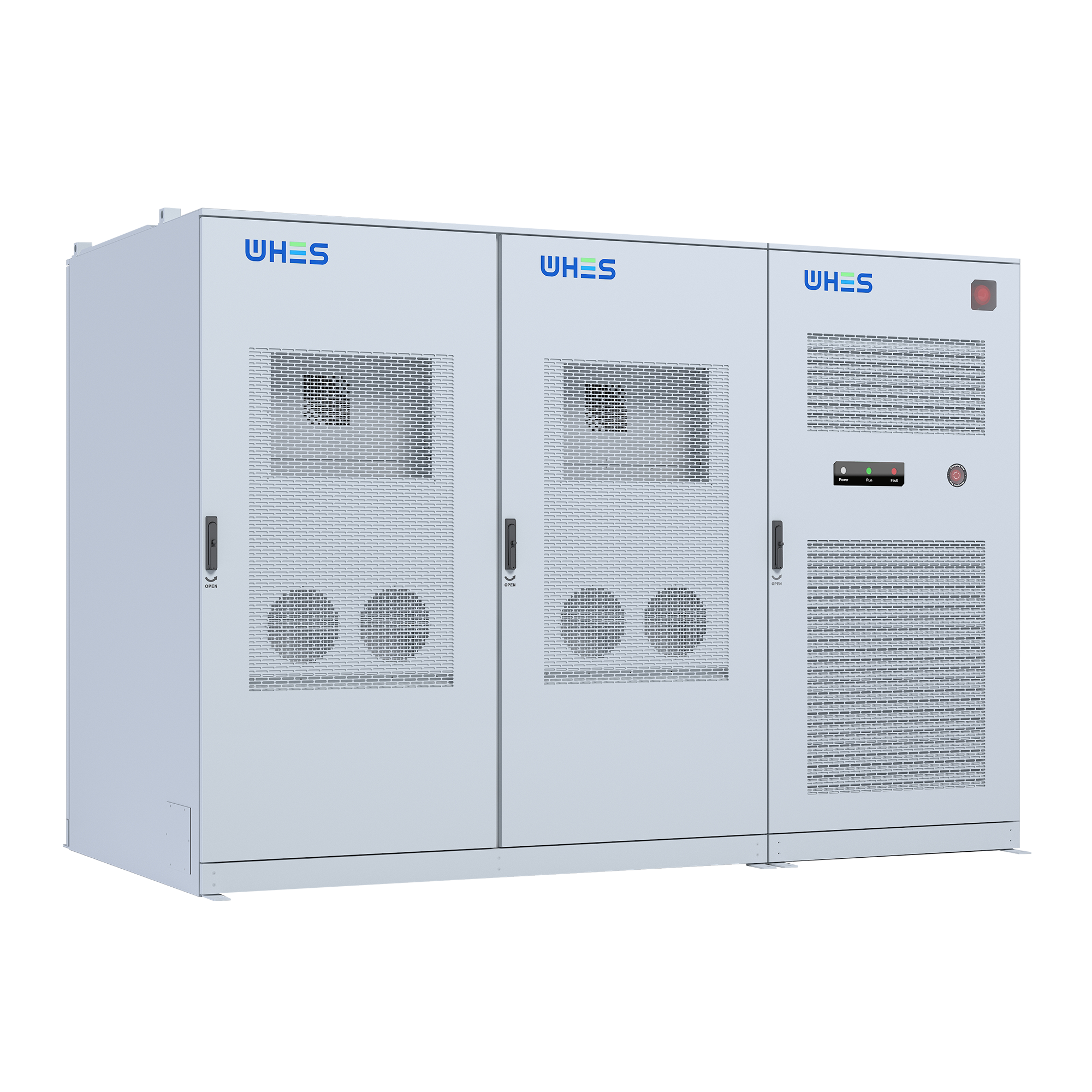
Alternatives and when to choose them
Air-cooled systems still make sense in low-duty sites, in remote microgrids where liquid maintenance would be burdensome, or when upfront capex is tightly constrained. Hybrid approaches — localized liquid cooling for high-density racks combined with air for peripheral units — can be smart compromises. The key is aligning the cooling architecture with operational profile and site constraints rather than following a fashion.
Advisory: three golden rules for choosing the right cooling approach
1) Metric-first selection: require vendors to provide thermal performance curves under your expected 3-phase load profiles and a BMS-integrated thermal alarm plan. 2) Total-cost and risk accounting: include maintenance of coolant loops, expected fan energy for air systems, and the financial impact of potential thermal-runaway events in your NPV model. 3) Commission for reality: mandate full-scale thermal commissioning and a witnessed stress test before handover — verify thermal maps, leak-detection response, and BMS trip logic under peak dispatch.
These rules steer decisions toward operational resilience and long-term value — not just lowest first cost. For asset managers weighing trade-offs in grid-edge deployments, the pragmatic path often aligns with solutions and services already implemented by WHES. —