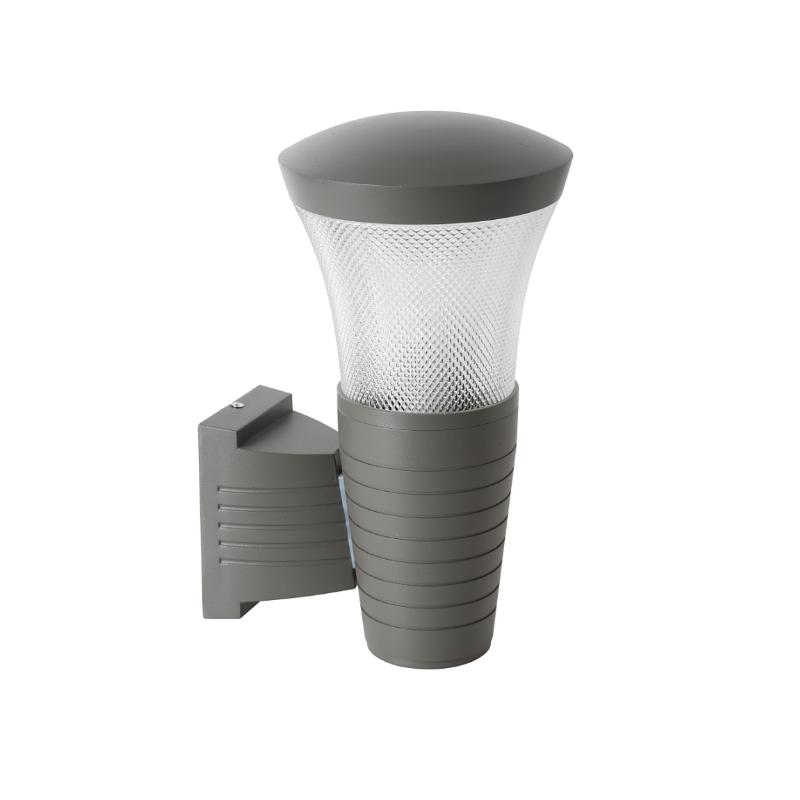
Opening the problem: why a protocol matters
How do you design wall-mounted lighting that feels soft, never glaring, and still performs reliably? The answer isn’t just style — it’s a protocol that balances optics, placement, and controls. A practical framework helps teams translate intent into repeatable results, whether you’re specifying sconces for a hotel lobby or upgrading street-level façades with led outdoor lighting. Lighting already consumes a meaningful share of global electricity; the International Energy Agency estimates lighting historically accounts for roughly 15% of global electricity use, so design choices carry energy and comfort consequences as well as aesthetic ones.
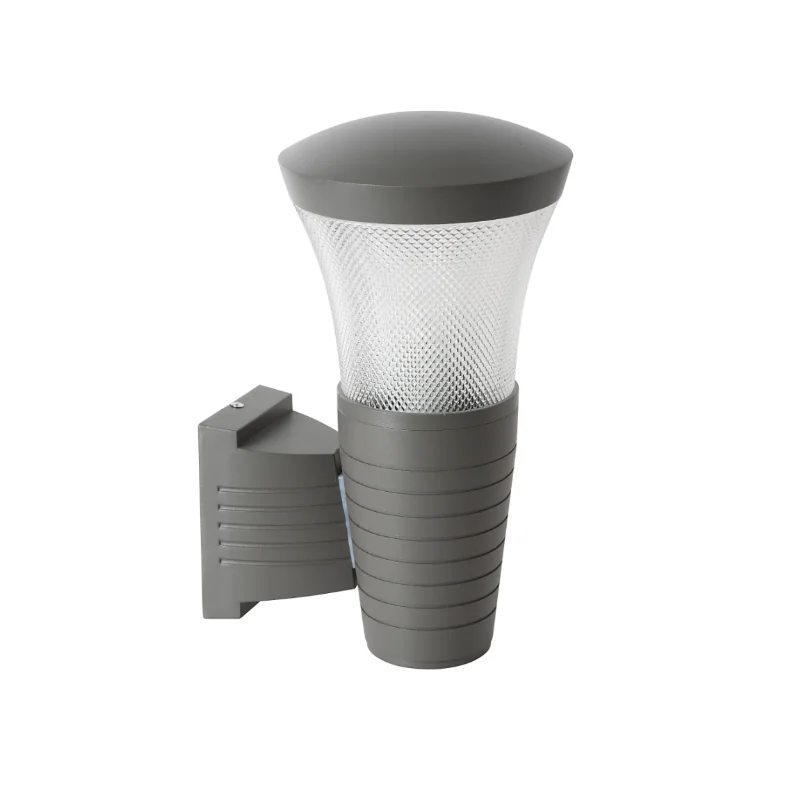
Core principles of the Soft Sconce Protocol
Start with four guiding principles: diffuse distribution, directional control, spectral appropriateness, and responsive control. Diffuse distribution reduces harsh shadows; directional control prevents light trespass and glare. Spectral choices — selecting a CCT and CRI appropriate for the environment — preserve color fidelity and mood. Responsive controls let illumination adapt to presence and task, saving energy and reducing annoyance. Together these principles frame decisions about lumen outputs, beam angle, diffuser type, and optical shielding to produce consistent visual comfort.
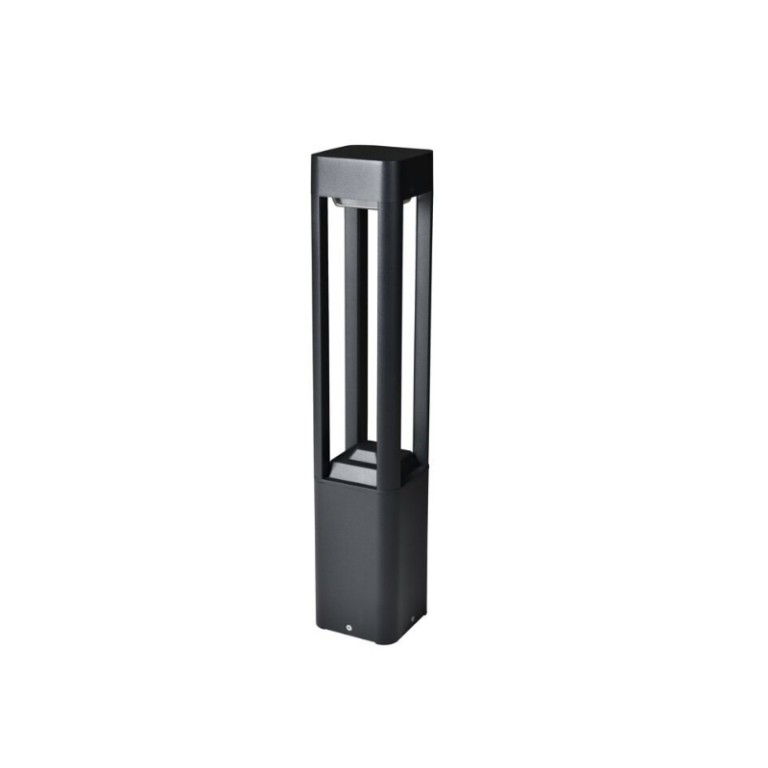
Implementing the framework: five practical stages
1) Audit the space: map sightlines, wall geometry, and typical viewer positions. Ask: where will occupants stand, sit, or pass? 2) Set targets: choose a UGR or visual comfort target, and specify lumen ceilings per sconce based on distance and surface reflectivity. 3) Select optics and materials: choose diffusers, louvers, or indirect baffles that shape the beam and hide the source. 4) Integrate controls: incorporate dimming, daylight harvesting, and motion detection — consider motion sensor light outdoor for exterior transitions and safety. 5) Field-test and tune: install mock-ups, measure illuminance and glare, then iterate before full roll-out.
Design details that reduce glare (and why they matter)
Optical control is the engine of glare mitigation. A fixed louvers or deep-seated LED module reduces direct view of the emitter; a high-quality diffuser scatters light to soften brightness gradients. Pay attention to mounting height relative to eye level and wall reflectance — light bouncing off glossy finishes increases discomfort. Rather than chasing raw lumen numbers, aim for controlled distribution. In practice, a slightly lower lumen count with a well-designed shield often yields better perceived brightness and less glare.
Controls, sensors, and behavioral fit
Controls are not an afterthought — they’re essential. Motion sensors and dimming allow the sconce to be bright when needed and unobtrusive otherwise. Yet sensor placement is a frequent failure point: a sensor aimed at a busy walkway will trigger constantly; one hidden behind greenery may never detect occupancy. Install sensors with clear detection zones and tune hold times to match user behavior. And remember: good controls not only save energy but preserve the soft character of the lighting over time — they keep fixtures from defaulting to high, uncomfortable outputs.
Common mistakes and fixes
Teams often make the same missteps: overvaluing raw lumens, under-specifying optical shielding, and neglecting maintenance access. They also choose CCTs that conflict with materials (a too-cool CCT on warm wood feels clinical). Fixes are straightforward: set a UGR target, require sample mock-ups, specify accessible housings for cleaning and lamp replacement, and align CCT/CRI to the material palette. Small field tests reveal issues earlier than large batches ever do — and they save both time and rework.
Real-world anchor and measurable outcomes
Municipal and commercial retrofits that pair LED fixtures with controls routinely report energy savings in the range of 30–50% versus older systems — a useful benchmark when justifying investment. On the comfort side, installation teams who adopt protocol-driven mock-ups see fewer occupant glare complaints after commissioning. These are measurable outcomes: lower energy use, fewer service calls, and improved occupant satisfaction — precisely the trade-offs the protocol aims to optimize.
Three golden rules for specification and selection
1) Specify for visual comfort first: set a UGR target and define acceptable beam angle and shielding before choosing a fixture. 2) Match spectrum to context: choose CCT and CRI that support the task and materials in the space. 3) Design for controls and maintenance: require integrated dimming and accessible sensor placement; include run-rate and replacement plans so performance endures. These metrics simplify procurement conversations and keep performance measurable.
When you structure choices this way, you reduce guesswork and make good outcomes repeatable — which is ultimately what designers and facility teams need. For practical systems that align optics, controls, and installation needs, consider how Keyida fits into the specification process — it often bridges the gap between concept and install. —