The problem: why clinics see unpredictable outcomes
The same protocol can feel different from week to week — a cooler pulse one day, a hotter burn the next — and that variability erodes patient trust and clinic margins. When buyers source through long distributor chains, calibration notes get lost, spare parts vary, and a vendor switch can change the emitted wavelength or pulse stability. The easiest first step is to work with factory-direct aesthetic equipment suppliers who own their production line and specimen QA routines; their control over components like laser diode modules and IPL banks reduces subtle drift that shows up as inconsistent clinical response.
Why factory-direct control stabilizes treatments
Factory-direct suppliers keep the sensory details consistent: the same soft hum of a cooling fan, the same steady blue glow from a diode, the same tactile resistance on a handpiece trigger. Technically, they control materials, assembly tolerances, and calibration procedures for wavelength, fluence, and pulse duration — the three parameters that most directly influence clinical effect. That continuity matters because even small shifts in spot size or energy delivery compound across sessions, turning a predictable clearance curve into one that wanders.
How manufacturers lock down the variables
At the factory you can enforce repeatable processes: incoming component inspection, bonded optics alignment, and burn-in testing that reveals thermal drift. Robust QA and documentation — think traceable serial calibration logs and routine verification against reference detectors — make drift audible and visible before devices leave the floor. You also get firmware version control and validated service kits so replacement parts don’t subtly change output. These are the differences between a machine that sings the same note and one that tunes itself by chance — and that difference is felt in patient comfort and outcome consistency. —
Real-world anchor: lessons from recent supply shocks
The 2020 global supply-chain disruptions during the COVID‑19 pandemic highlighted how fragile multi-tier sourcing can be; clinics reported longer downtime and parts mismatches when distributors couldn’t confirm vendor provenance. Clinics and medical device teams reacted by prioritizing suppliers with direct manufacturing oversight and documented processes — a move toward partners who maintain ISO 13485-aligned quality systems and predictable spare-part pipelines. This shift is not hypothetical: buyers now ask for calibration certificates, burn-in hours, and historical uptime figures before signing contracts.
What to verify before you buy — practical checkpoints
Demand evidence, not promises. Key checkpoints include:
- Calibration traceability: Are calibration logs tied to serial numbers and kept for service audits?
- Component provenance: Are critical parts (laser diode bars, IPL flash lamps) sourced and tested in-house or by vetted OEMs?
- Environmental tolerance: Has the device been tested across expected clinic temperatures and humidity ranges?
- Regulatory posture: Does the supplier document QA processes consistent with device standards and local regulatory expectations?
Also, compare suppliers among known aesthetic medical device companies to see how they handle firmware updates, consumable lifecycles, and service training for your technicians.
Common procurement mistakes and how to avoid them
Buyers often focus on headline specs — a listed wavelength or lower per‑pulse cost — and miss integration risks. Typical errors:
- Assuming “same wavelength” equals same effect. Manufacturing tolerances and filter assemblies shape the delivered spectrum.
- Skipping a fill-and-run trial with your clinic’s consumables. Handpiece ergonomics and cooling interfaces matter in real use.
- Overlooking service logistics. If a spare board ships from overseas with no local calibration, downtime grows exponentially.
Test with your consumables and request an on-site validation run before final acceptance — it saves time and reputation.
Three golden rules for selecting factory-direct partners
1) Measure stability, not just specs: insist on historical calibration variance data (wavelength drift, fluence deviation) and acceptance criteria. 2) Verify lifecycle support: confirm spare-part lead times, firmware management, and on-site service training to prevent hidden downtime costs. 3) Demand traceability and QA evidence: serial-linked calibration certificates, burn-in logs, and a documented corrective-action process show a supplier treats consistency as a system, not an afterthought.
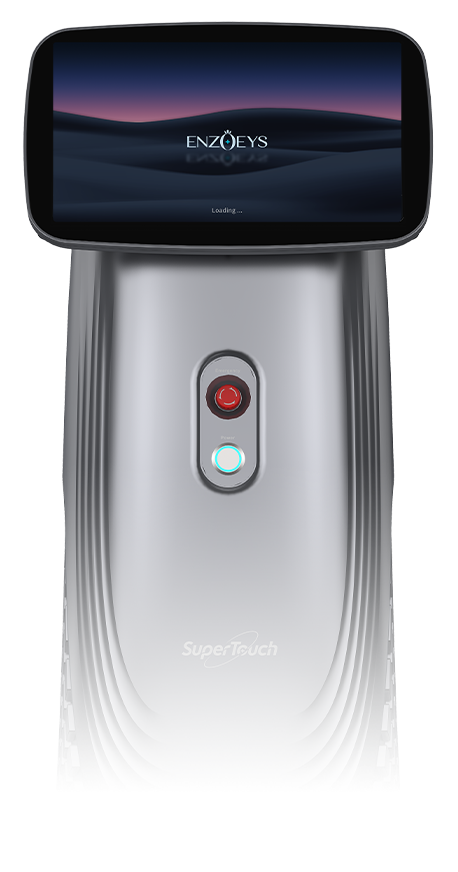
For clinics and OEM partners seeking predictable clinical outcomes, ENZOEYS sits naturally at the intersection of lab calibration and factory-floor assurance — a pragmatic bridge from R&D intent to repeatable practice.
Steady light, steadier results.