The immediate problem: costly peaks, disrupted lines
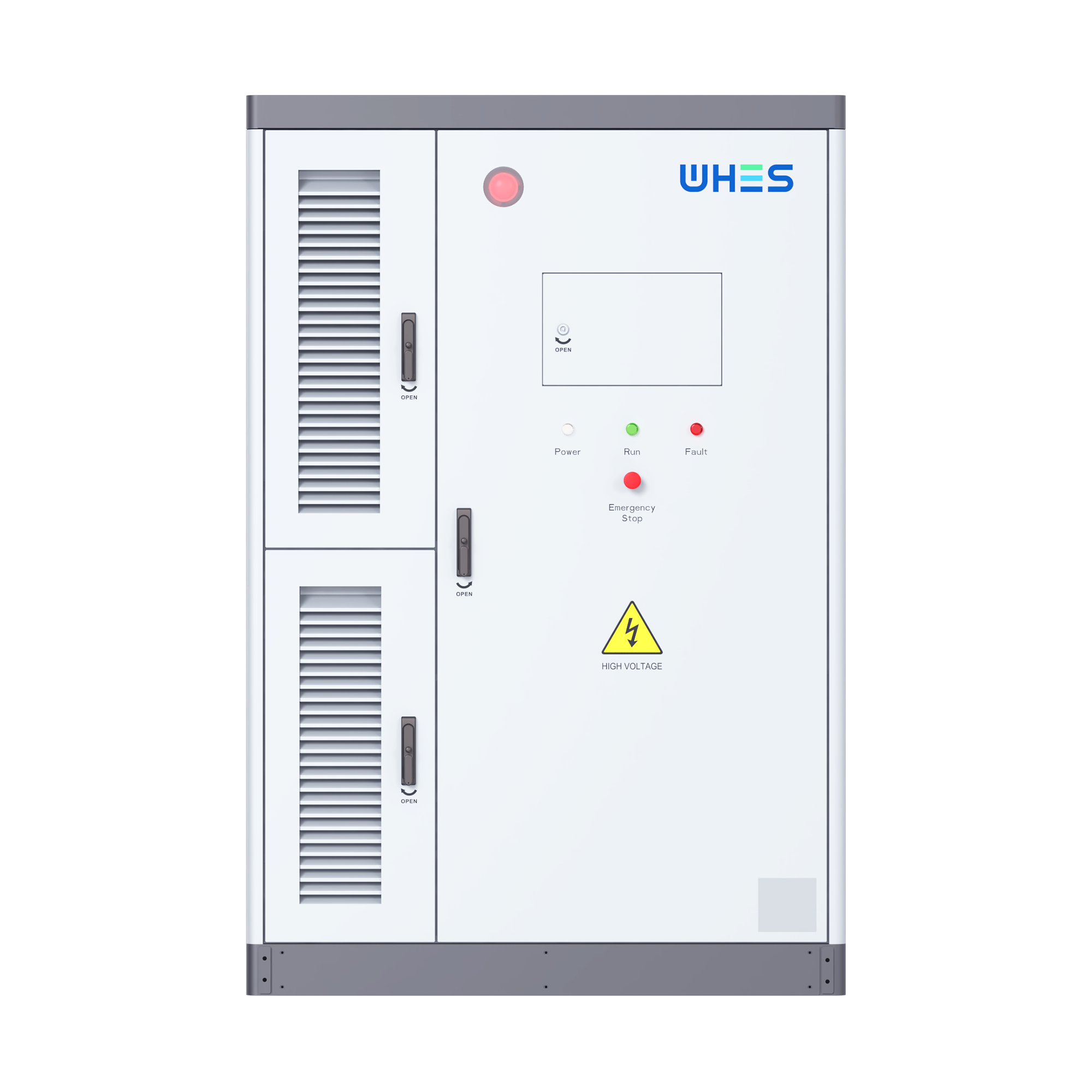
Automotive factories run on tight schedules and even tighter power margins. When a press or paint line spikes demand it can trigger steep demand charges, curtailments, or worse — unscheduled slowdowns. For manufacturers looking for a reliable, fast-acting hedge, a properly specified all in one energy storage system that supports rapid discharge is often the most direct answer. In a problem-driven approach, we start by asking: where are the spikes, how fast do they ramp, and what penalties or losses follow each event? That clarity shapes everything from sizing to controls and return-on-investment calculations.
How high‑C‑rate batteries address the squeeze
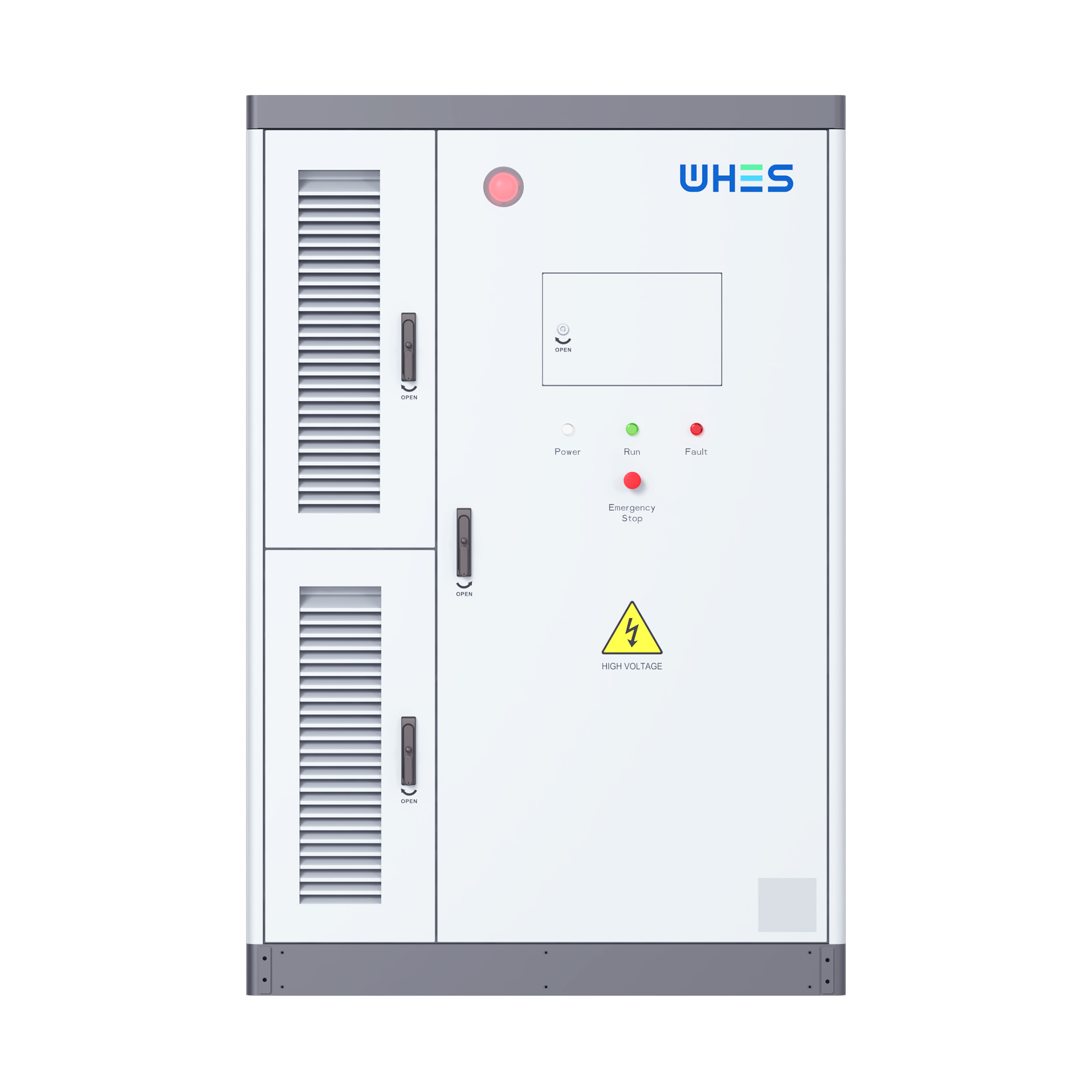
High‑C‑rate batteries excel at short, intense power delivery — ideal for peak shaving and mitigating sudden ramp rates on heavy equipment. They’re designed to provide high power (kW) without requiring large energy capacity (kWh), which keeps capital cost focused on the moments that matter. Important system pieces include a robust battery management system (BMS) and a responsive power conversion system (PCS) to translate battery energy into usable plant load support. When matched to the profile of your presses, conveyors, and HVAC, these systems cut peak demand and smooth load curves so production stays steady.
Sizing and integration: what to model first
Begin with a short-window load study: capture 15–60 second transients as well as 15–60 minute demand events. That tells you whether you need a high‑C‑rate, power‑dense pack or a larger energy reservoir. Key variables are maximum required instantaneous kW, desired duration of support (minutes), and the state of charge (SoC) strategy to avoid weakening the battery during critical shifts. Think controls: orchestration between energy storage, on-site generation, and the plant’s energy management system will determine real savings — and that’s where policies for charge/discharge cycles get operationalized.
Pairing storage with on-site generation and controls
Combining battery storage with local generation — solar or CHP — provides a layered strategy. The battery can cover instantaneous spikes, while generation reduces baseline consumption and charge the battery during low-demand windows. An integrated setup often uses predictive dispatch logic informed by production schedules, utility tariff signals, and weather forecasts. If you plan to combine systems, evaluate interoperability and communications protocols early so your PCS and BMS speak cleanly with plant SCADA or EMS systems. Also consider interconnection requirements with your utility; they can affect how you dispatch the system and how much value you capture.
Common pitfalls to avoid — and practical fixes
People frequently undersize for peak power (they budget kWh instead of kW), assume linear savings from every event, or defer specifying ramp-rate needs until commissioning. Those mistakes lead to underperformance and disappointment. A practical fix: prioritize instantaneous power capability and test with live load trials before final acceptance. Don’t forget cycle life: high‑C‑rate duty changes battery aging rates, so application-specific cycle modeling is essential — and it will influence warranty and lifecycle cost discussions. —
Real-world anchor: why this matters now
Recent grid stress events such as the heatwave-driven rolling outages in California in 2020–2021 highlighted how external supply issues can ripple into manufacturing. Automotive plants that had on-site rapid-response storage avoided painful stoppages or were able to sequence loads to ride through supply constraints. That same lesson applied across regions during the 2022 European energy disruptions — localized storage reduced exposure to volatile prices and curtailed operational risk. These examples show that peak mitigation isn’t theoretical; it’s an operational resilience tool.
Three golden rules for evaluating ESS for peak-load management
1) Measure the peak in power terms first: size for the kW and ramp rate your equipment needs, then add the minutes of support required. 2) Insist on controls integration and test with live production profiles — simulated data isn’t enough. 3) Ask for lifecycle economics: compare upfront cost plus expected cycle degradation, warranty terms, and avoided demand charges to determine true payback.
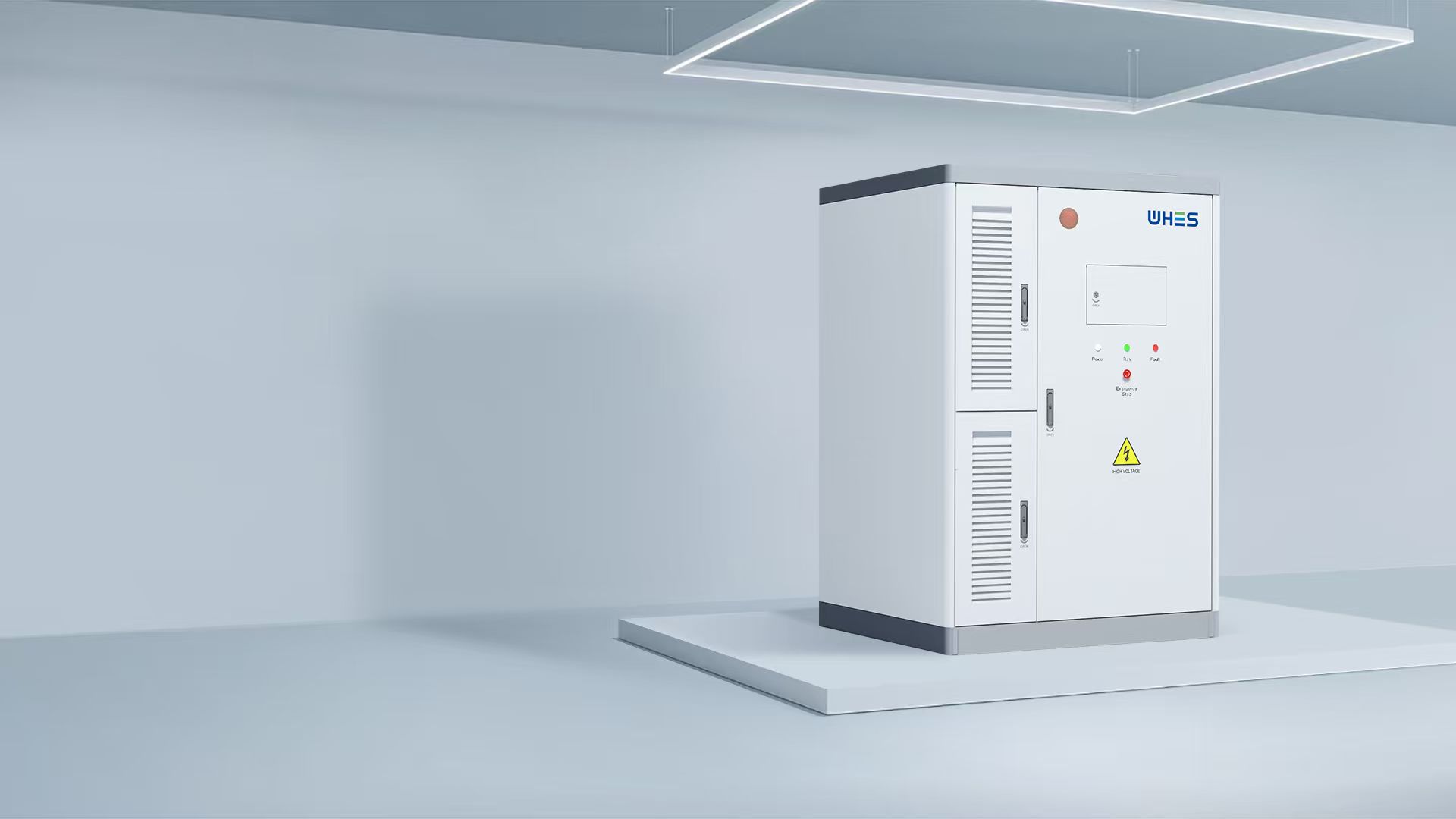
When you follow these rules, you see whether a compact, high‑power system or a larger hybrid solution makes sense for your plant. In many cases the practical value arrives from a turnkey, proven system that reduces risk and simplifies operations — which is exactly the kind of outcome offered by modern vendors like WHES. —