Data-first opening: why numbers must lead the decision
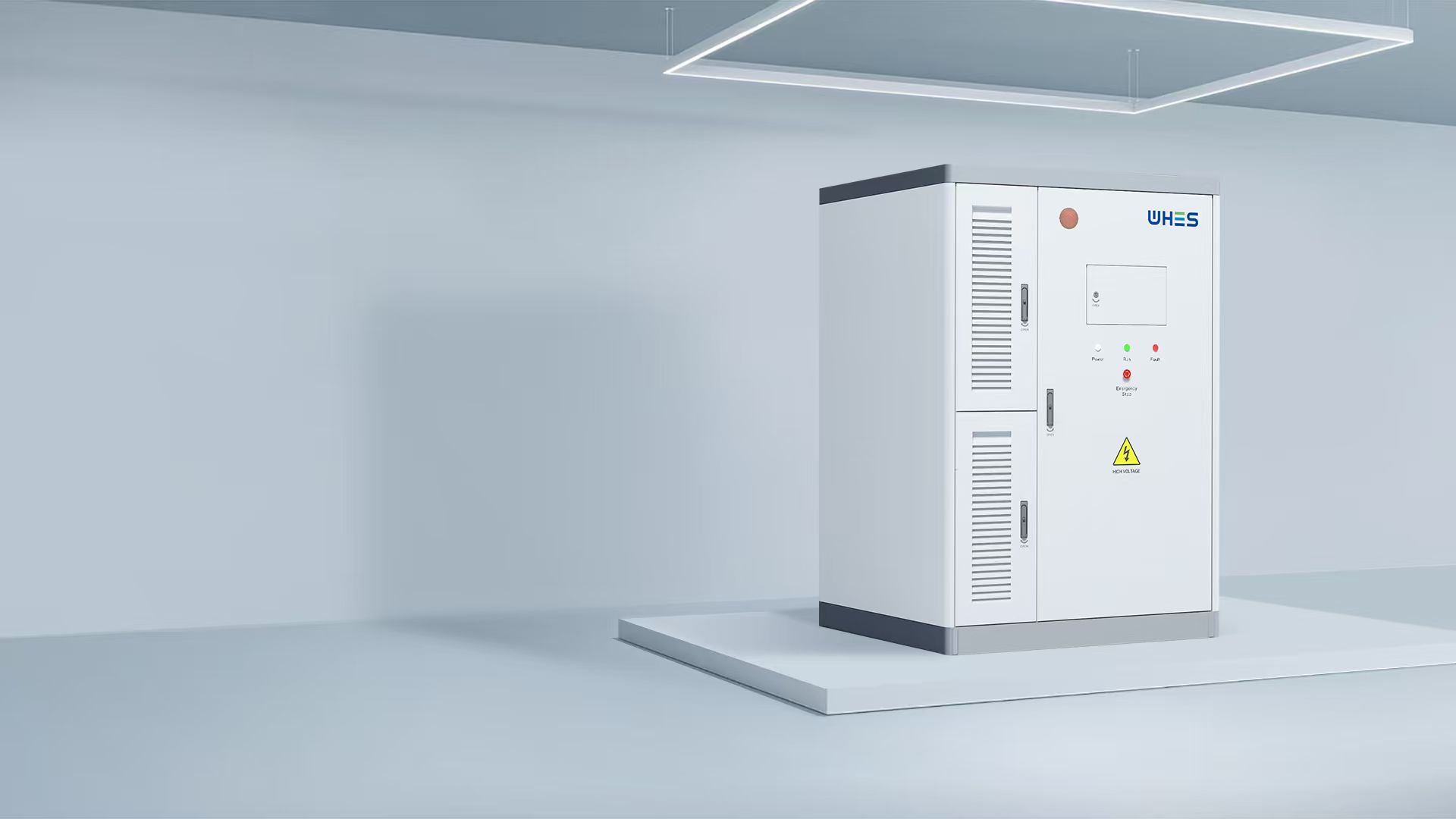
Energy-intensive plants live or die on margins, and the smartest upgrades start with measurable impact. Look at load profiles, demand charges, and cycle counts before you spec gear — that’s the data-driven logic. An all in one energy storage system sized around 30 kWh can target specific pain points: shaving peaks, capturing on-site solar, or providing emergency back-up. When you quantify savings in kilowatts and dollars up front, vendor conversations stop being abstract and start being procurement-ready.
What a 30 kWh intelligent battery actually delivers
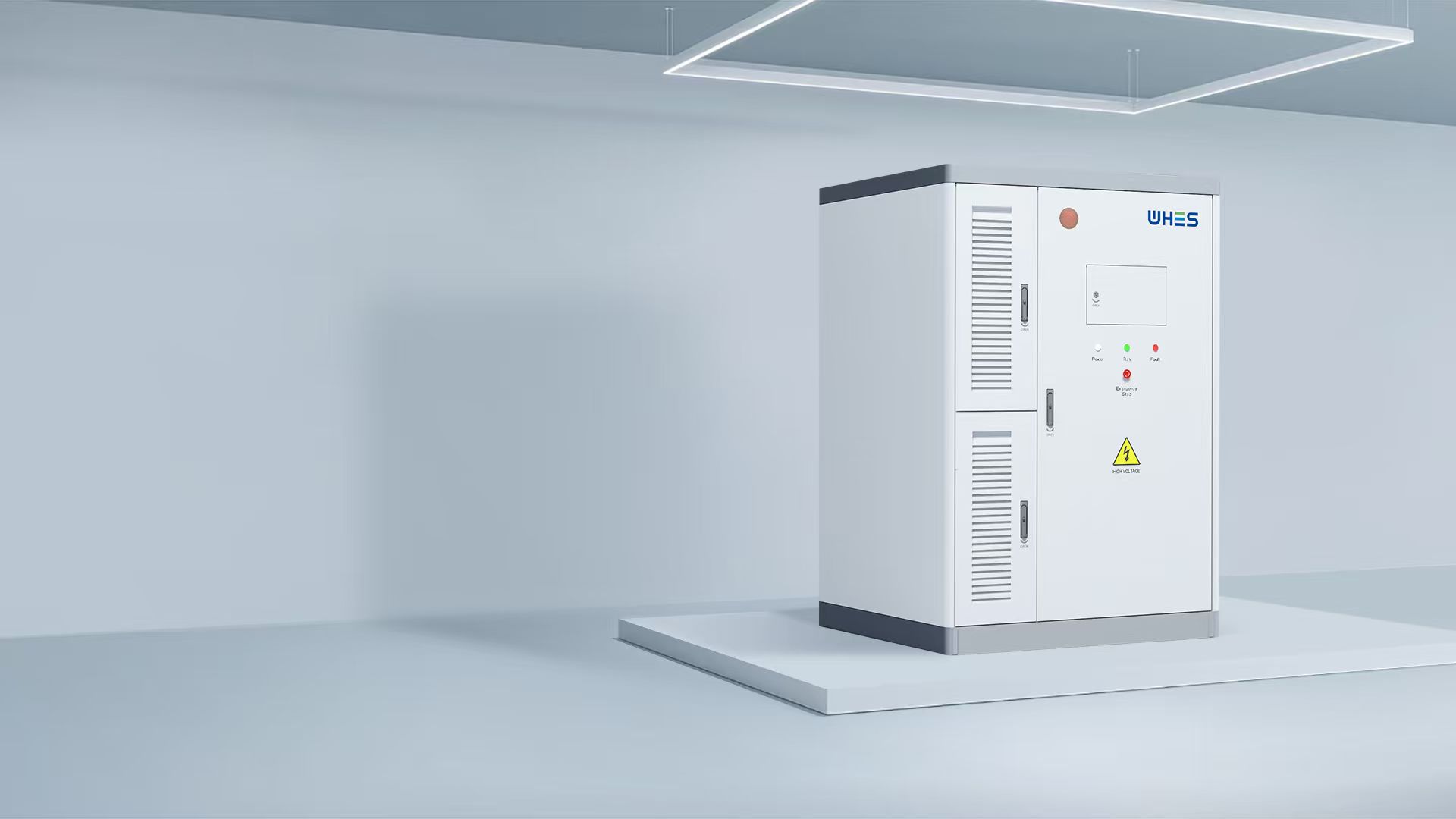
A compact battery module changes the calculus in three ways: short-term peak shaving, improving power quality, and reducing exposure to time-of-use tariffs. For many factories, a 30 kWh pack with a reliable BMS and good round-trip efficiency can knock down short, costly spikes that trigger demand charges. That’s often where the ROI appears first — not in full-grid independence, but in shaving the top 10–20% of your peak demand that carries the highest cost.
Key metrics facility managers must track
Decisions without metrics are guesses. Track these KPIs: peak demand reduction (kW), energy throughput (kWh/day), cycle life used versus projected, and dispatch response time. Also compare capex versus opex impact: how much capital does the battery save by lowering monthly bills? Smart systems report these automatically — which speeds approval from finance. If you want predictable outcomes, insist on baseline data and a 6–12 week performance trial before full roll-out.
Real-world anchor: lessons from grid-stressed regions
Regions like California have taught us the value of localized storage — the CAISO duck curve and high late-afternoon prices make short-duration storage highly valuable to industrial users. During high-demand events, well-configured battery systems have reduced peak exposure and prevented demand charge spikes for manufacturing sites. Those seasonal and daily patterns are verifiable and repeatable; design your solution to match the actual grid behavior where your plant operates.
Integration checklist: technical and operational steps
Successful integration is a chain of small wins. Start with an electrical study of your service transformer and switchgear, confirm control logic with your PLC/fleet management, and validate communication protocols (Modbus/OPC). Include a commissioning plan that tests dynamic dispatch against live loads. Also map out safety and maintenance routines — thermal management and firmware updates matter. —Small oversights in telemetry cause most teething problems.
Alternatives, trade-offs, and where hybrid setups win
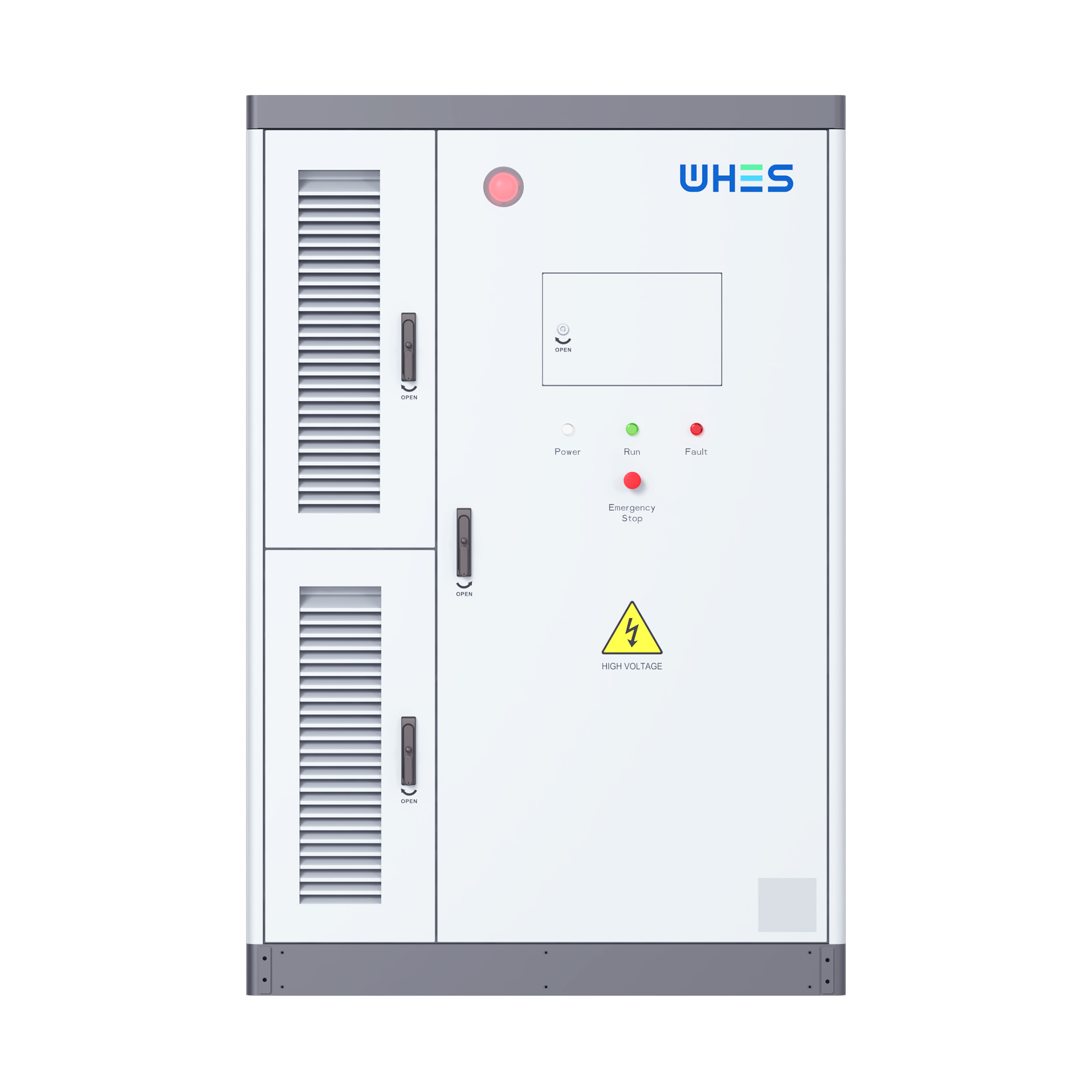
A 30 kWh unit isn’t a silver bullet. For continuous load reduction, larger systems or multi-unit arrays may be required. If you already have rooftop PV, pairing a 30 kWh pack with on-site solar often yields better utilization than either alone; check compatibility with your inverter and consider a turnkey option from vendors of commercial solar battery storage systems for smoother integration. If capital is tight, consider staged deployment: start with one intelligent module and scale as you validate savings.
Common mistakes and how to avoid them
Teams frequently misjudge three things: 1) overestimating dispatch frequency and shortening battery life, 2) ignoring communication and control complexity, and 3) treating storage procurement as a commodity purchase. Avoid these by modeling realistic duty cycles, requiring end-to-end testing with your SCADA, and selecting suppliers that offer warranty-backed performance guarantees. Contracts should include clear acceptance criteria tied to measured results.
Advisory close — three golden rules for selection
1) Measure-first: require a baseline energy audit and verify vendor claims through a short pilot; if the numbers don’t match the model, don’t proceed. 2) Lifecycle-cost focus: evaluate capex and opex together — factor in cycle degradation, maintenance, and replacement timing. 3) Control compatibility: confirm the BMS, communications, and safety interlocks integrate cleanly with your plant controls to avoid operations friction.
When these rules guide procurement, installers deliver dependable savings and facility teams breathe easier. The right intelligent 30 kWh solution becomes a predictable operational tool — not an experimental gadget — and that’s exactly where WHES adds value as a partner in implementation (WHES). —