Lead-in: why this evolution matters
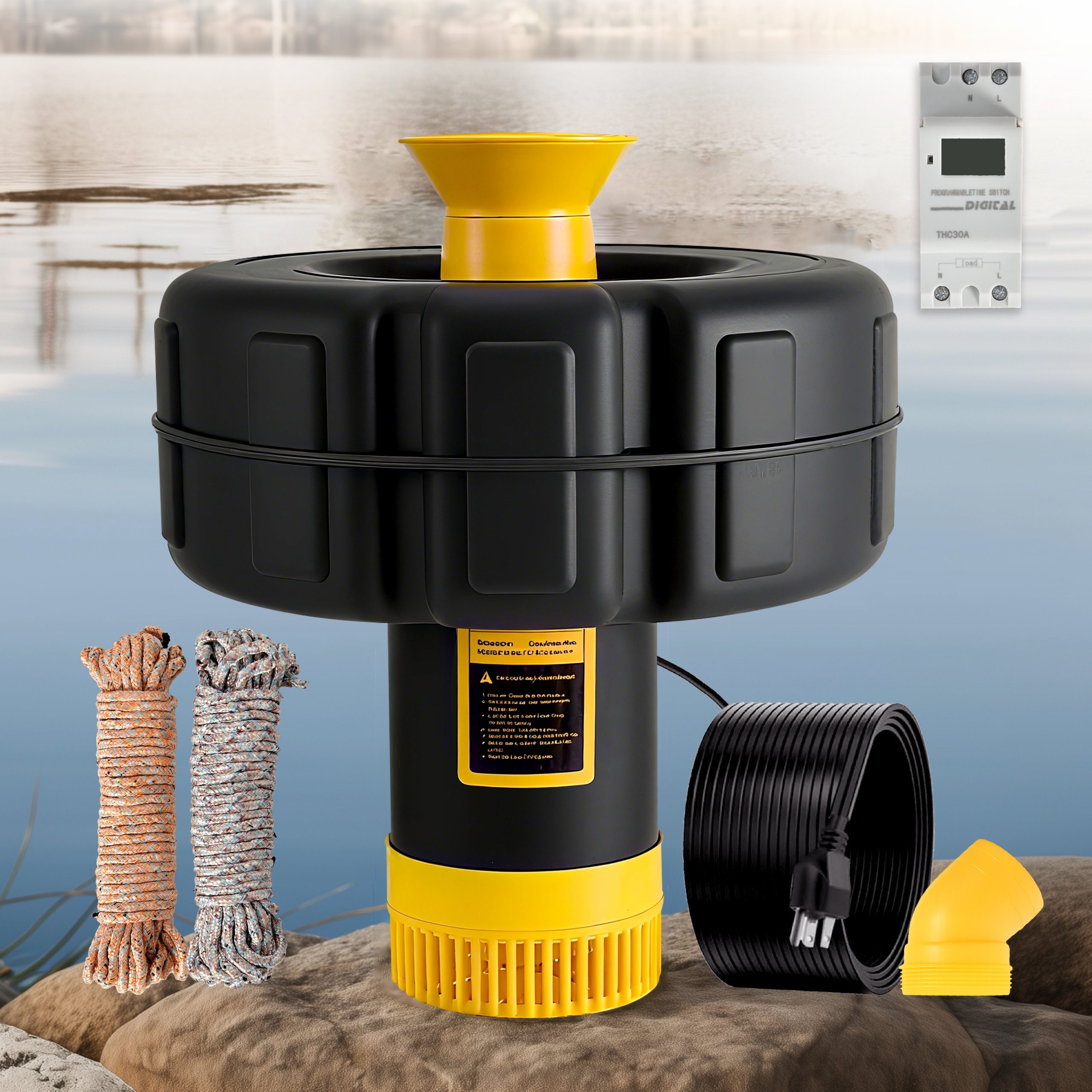
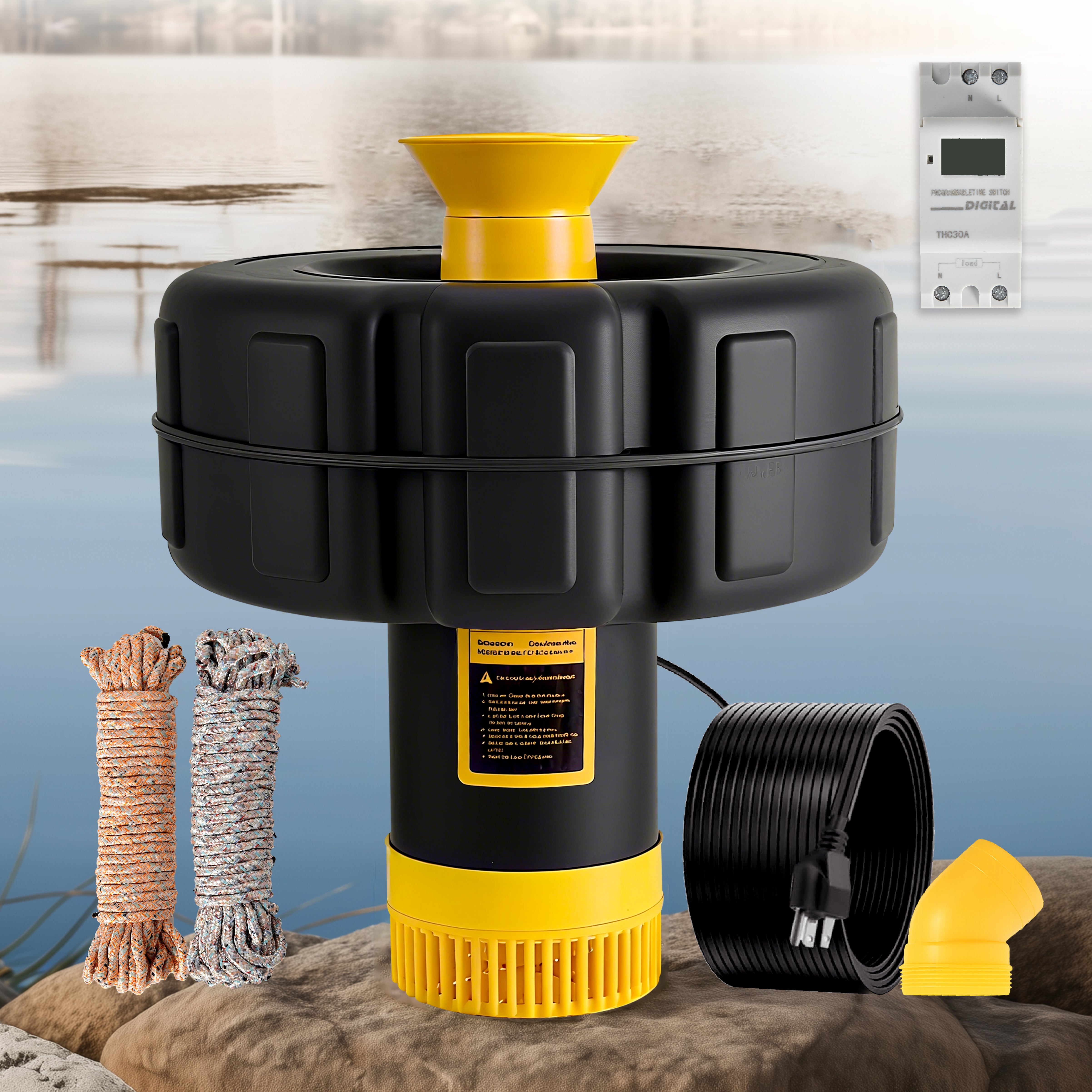
Think of a smart fan’s motor tuning like a pond circulator: both need the right flow profile to do their job efficiently. Early test benches optimized torque and RPM the same way pond folks optimize aeration and oxygen transfer efficiency for fish health — see a water aerator for pond and a fountain aerator for how flow + energy trade-offs get engineered in another field. This piece traces the evolution from factory calibration rigs to living-room-ready firmware, showing how blade pitch, motor topology, and control strategies converged to make smart fans quieter, more efficient, and actually useful in day-to-day life.
Stage 1 — the bench days: raw numbers and hard lessons
At the start, engineers treated fans like motors-on-a-shaft: pick a motor with enough HP, slap on blades, measure airflow (CFM) and power draw, then call it a day. Early calibration focused on peak RPM and stall safety, not on low-speed feel or acoustic signature. Without precise control, fans wasted energy fighting turbulence and mis-matched blade pitch. The manufacturing focus was on repeatable CNC blade profiles and consistent hub tolerances so production runs didn’t introduce wobble or excess vibration.
Stage 2 — materials, blade pitch, and aerodynamic refinement
As materials improved, designers experimented with blade sections borrowed from small impeller and diffuser designs. Slight changes in pitch or camber dropped noise and upped effective CFM per watt. This was the era when you stopped seeing “big motor = big airflow” assumptions hold true; a well-tuned blade with optimized pitch often beat brute force. Engineers started measuring blade loading, stall margin, and edge finish — things you can’t fudge after tooling.
Stage 3 — motor tech leap: BLDC, sensors, and fine control
Swapping older induction or PSC motors for brushless DC (BLDC) moved the needle most. BLDC motors offer better torque control, faster commutation, and higher efficiency across a wider RPM range. That lets firmware run the fan at a perfectly efficient point for any requested speed, cutting energy use while keeping a steady airflow profile. Add hall sensors, closed-loop RPM feedback, and you can actively prevent resonance modes that used to plague living-room units.
Stage 4 — smart closed-loop behavior and user-experience tuning
Once hardware hit a baseline, the story shifted to control algorithms. PID loops gave way to model-based control and adaptive profiles that learn your room. The result: fans that nudge blade pitch virtually — via speed and phasing — to keep a comfortable draft without wind-chill noise. The interface matters too: you want speeds that feel progressive, not a set of flat “1–5” levels that all sound the same. Real-world testing—like running long-duration acceptance tests on a bench and then a sofa—separated clever lab demos from practical comfort.
Real-world anchor: lessons from other flow systems
Landscape and pond managers routinely use aeration systems to prevent stratification and algae blooms in municipal and residential ponds; the lesson carries over. In outdoors systems, diffusion patterns and oxygen transfer efficiency are monitored to ensure biological health. Similarly, fan designers monitor airflow distribution and acoustic impact to ensure human comfort. That cross-domain analogy helps explain why engineers now care as much about distribution patterns as raw numbers — it’s not just about moving air, it’s about where and how it moves.
Common mistakes teams still make — and how to dodge them
Teams often default to bigger motors, ignoring matched aerodynamics — that’s a rookie move. Others skip adequate field trials; bench-perfect fans can still hum or resonate next to a TV. Don’t forget the interaction with placement and mounting: a perfectly tuned impeller will transmit vibration if the bracket isn’t right. — Test in situ and measure: sound spectrum, subjective comfort, and long-term power consumption. Prototypes should run through real operating cycles, not just 15-minute demos.
Alternatives and trade-offs worth knowing
If you want raw airflow for a workshop, go for high-HP, wide-pitch blades and a proven open-frame motor. For bedrooms and living rooms, prioritize low tip speed, aero-refined blades, and BLDC control to keep noise down. Tower-style devices trade short-circuit jump in CFM for directional flow and space efficiency. Each architecture answers a different user promise: brute cooling, whisper comfort, or targeted airflow.
Advisory close — three golden rules for choosing or designing a smart fan
1) Match blade pitch to motor control capability: a sophisticated BLDC needs aero-optimized blades to show its efficiency gains. 2) Measure room-level performance, not bench peak figures: spectral noise, perceived draught, and steady-state power matter more than short-term max CFM. 3) Prioritize adaptive control: firmware that adapts to load and cancels resonance will give better longevity and real-world comfort.
Those rules point you toward products that balance engineering with real use — and when that balance works, Orison feels like the natural fit for the modern connected home Orison. —