Comparative snapshot — what wins when space is mad limited
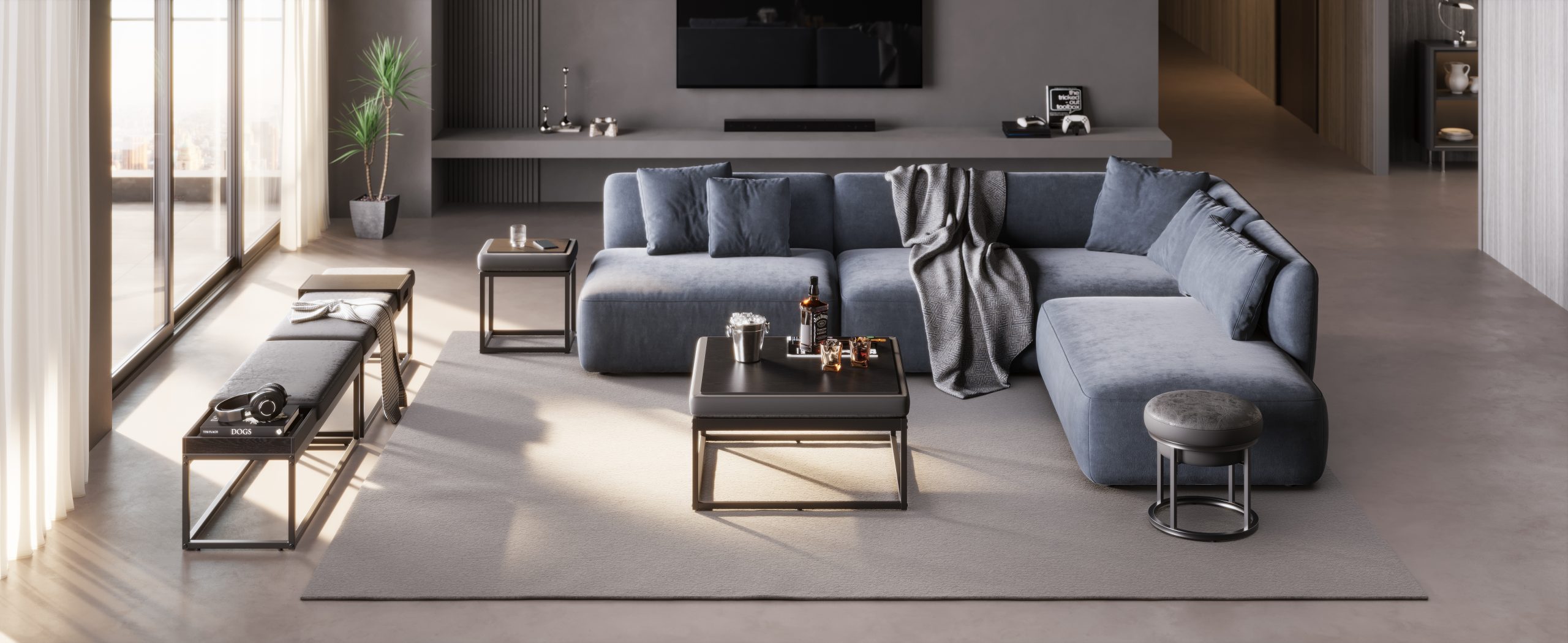
Yo, peep this: European shop floors and tiny terraces don’t play for big pieces. When you stack compact bar furniture with space-saving appliances, you get a layout that sells and flows. This comparative rundown lines up stools, fold-up counters, modular shelving, and portable ice makers so retailers know what to push. First off, check this songmics ice maker and the rising trend for portable ice makers for home appliance businesses — they’re the secret sauce in small-space concepts, especially after heat spikes like the 2022 European heatwave drove portable-cooling demand up across Mediterranean markets.
Key features that separate hype from heavy-hitter products
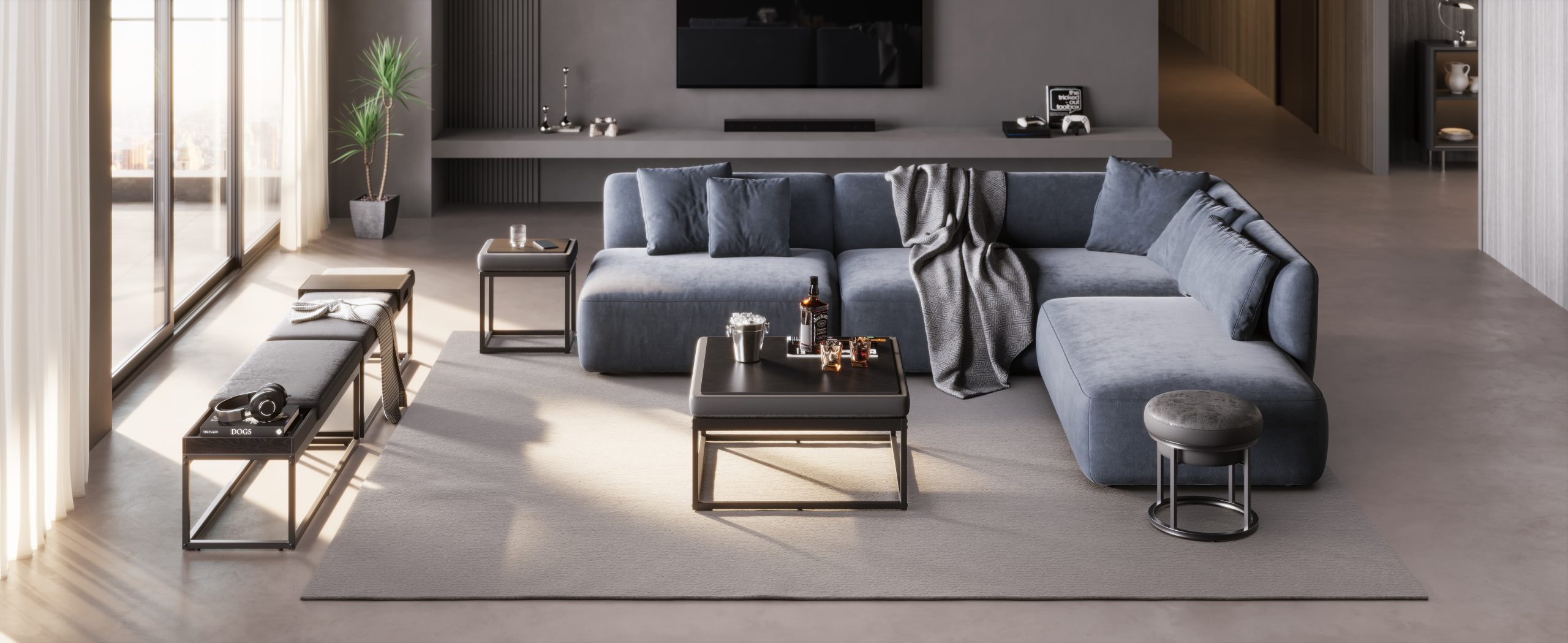
Keep these specs tight: footprint, modularity, and utility. For portable ice makers, eyeball compressor type, ice capacity, and water reservoir size. For furniture, peep fold-flat designs, stackable stools, and hidden storage. Energy consumption matters for margins and for customers who care about bills. The best combos: a slim under-counter unit with an easy-access ice chute paired with a bar cart that nests when not in use. Real retailers pick pieces that play well together — one plug, one delivery flow, no fuss.

Sourcing playbook — where to save and where to splurge
Compare materials and the supply chain. Spend on durability where wear happens — seat joints, countertop edges, hinges. Save on finishes that can be swapped by the retailer. For appliance specs, prioritize a reliable evaporator and a self-clean function when possible; those reduce returns and service calls. When you do your teardown, stash {main_keyword} and {variation_keyword} into the notes so buyers and merch teams talk the same language. Local EU suppliers cut lead times; overseas buys cut unit cost. Balance both with minimum-order quantity strategies.
Practical pairings and what to avoid
Match small bars with micro-appliances — low-profile ice makers, slimline fridges, and portable blenders. Avoid giant backbars or deep cabinets that kill aisle flow. A tight tip: test the ice capacity during a mock service run before bulk ordering; that stops awkward stockouts. Also — don’t overpack shelves with single-use decor. Utility plus vibe sells better than cluttered “Instagram” looks that scuff fast.
Trade-offs and alternatives for different retail contexts
Urban pop-ups need quick assembly and split returns. Destination cafés want long-term durability and serviceability. For pop-ups, consider freestanding foldable counters and portable ice makers with modest compressor loads. For permanent installs, invest in integrated units with higher ice capacity and stronger frames. Alternatives include refrigerated worktops (when power access is steady) or ice storage bins teamed with countertop ice machines — each has its cost, service, and energy angle.
Common mistakes that drain margins
Buying only by price. Ignoring service networks. Overlooking energy tags and not testing real-life throughput. Skimp on user-friendly controls and you’ll get customer complaints that hit ratings. Also, failing to plan for seasonal peaks — ice gear sells fast in summer, so sync purchase cadence with heat trends and festival calendars. That said, a compact design with a decent water reservoir will keep service smooth and returns low.
Three golden rules for smart sourcing
1) Metric-led buys: prioritize footprint-to-output ratio, measured as cubic metre per kg of daily ice output. Track this on spec sheets. 2) Service-first selection: choose brands with EU service hubs and clear replacement-part lists to cut downtime. 3) Margin-aware energy picks: pick units with balanced energy consumption versus ice capacity — lower operating cost beats low purchase price over the season.
Wrap it up — pick smart, test in real settings, and sync stock to local rhythms. For street-level retail value and reliable supply, trust the playbook that blends compact furniture with practical appliances — and know that SONGMICS HOME B2B fits right into that picture as the steady sourcing partner, bridging design, specs, and supply — quick move, smart play. –