
Introduction: A Quiet Riddle on the Line
Have you ever wondered why a quiet machine can cause so much drama? I ask because numbers don’t lie: small factories report up to 30% downtime during format changes, and a whispering fault can stall an entire shift. In the second breath of that thought comes the wet wipes making machine — the box that hums, folds, seals, and yet somehow keeps managers awake at night (I’ve been there).
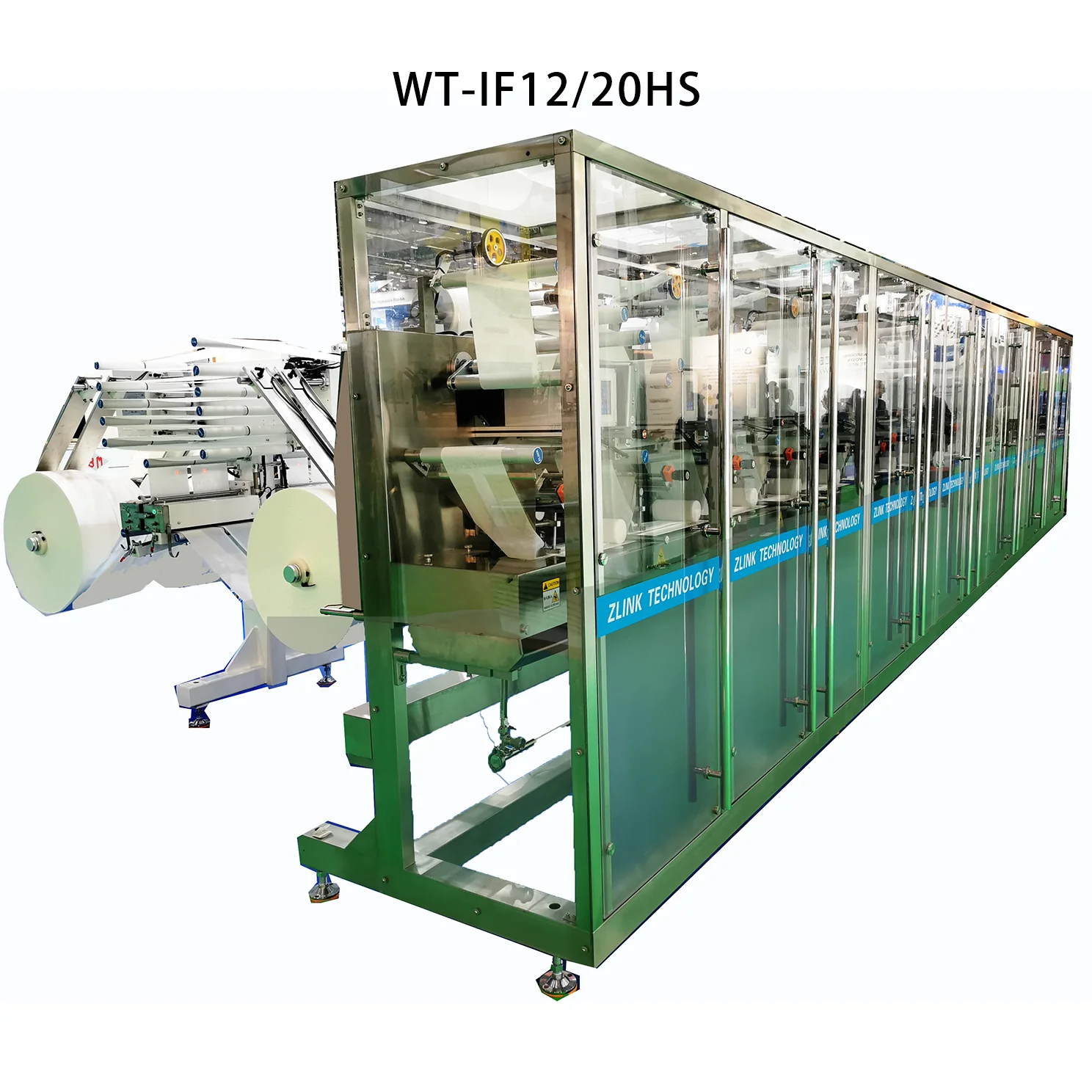
The scenario feels like a mystery: a skilled operator, a near-perfect recipe, and then — a tear at the perforation, a misfeed, a bad seal. Data points—throughput, reject rate, changeover time—pile up on a spreadsheet and still leave us asking, what actually broke? I’m sharing this because I want you to feel the puzzle with me. It’s suspenseful but practical. We’ll peel back the layers next and look at the real weak links on the line.
Part Two — Hidden Pain Points: Why “Standard” Fixes Fail
At a basic level, a wet wipes line ties together web handling, dosing, cutting, and sealing. Right away let me point you to practical options: if you’re shopping, consider actual wet wipes machines for sale that match your mix and speed. Now, break the line down: each module has its own failure modes — web tension drifts, servo motor missteps, PLC logic glitches — and these interact. When I teach troubleshooting, I start with the module map. You can’t fix a seal without accounting for the feed. Look, it’s simpler than you think when you map it out.
Which part trips users up?
Most teams target the obvious items: replace blades, tighten belts, reset the PLC. But the hidden pain sits in transitions: handoff between a folding module and the ultrasonic sealing head, or the tiny lag in a servo motor that nudges registration off by 1–2 mm. Those small mismatches cascade into rejects and angry inboxes. Also, maintenance plans often ignore supply-chain lag for spare parts — so when a perforation blade goes, the line waits days. I’ve seen teams treat symptoms not cause. That’s the core flaw: reactive fixes, not systemic design checks. — funny how that works, right?
Part Three — Looking Forward: Cases, Tech, and How to Choose
What’s next is both practical and a bit hopeful. In newer installs I study case examples where a modest control upgrade cut changeover by 40%. They did it by adding better human–machine interface logic, tighter web tension control, and smarter recipe storage. If you’re scanning options, test how a machine handles recipe recall and speed ramps. Also, browse wet wipes machines for sale with modular designs—those let you scale without a full line rebuild. I feel optimistic about these choices because they reduce daily friction and free teams to think bigger.
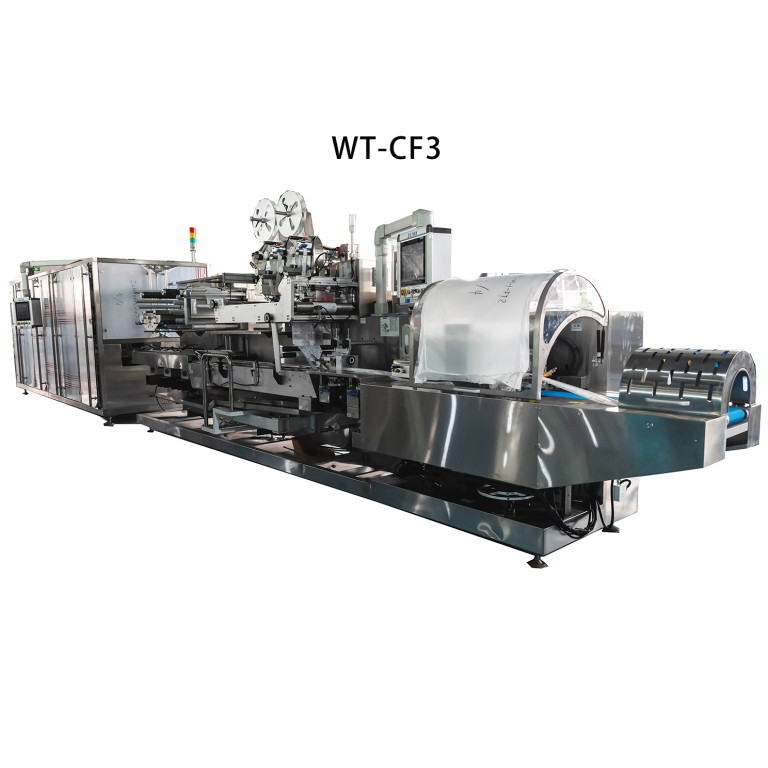
What’s Next?
Here are three metrics I use when advising buyers: 1) Changeover time under real conditions (not vendor claims); 2) Mean time to repair including spare availability; 3) Integration ease—how the PLC, servo drives, and HMI talk and how much custom code you’ll need. Measure these. Ask for proof runs. And, yes, check power converters and spare-part lead times before you sign. These are tangible. They matter. — and they save you nights and budgets.
In short, I urge you to compare real performance, not just specs. That mindset turned one small line from a daily headache into a reliable output machine in months, not years. I’ve seen it, I’ve fixed it, and I believe a clear checklist beats bright brochures every time. For balanced, modular solutions and real-world support, consider working with ZLINK.