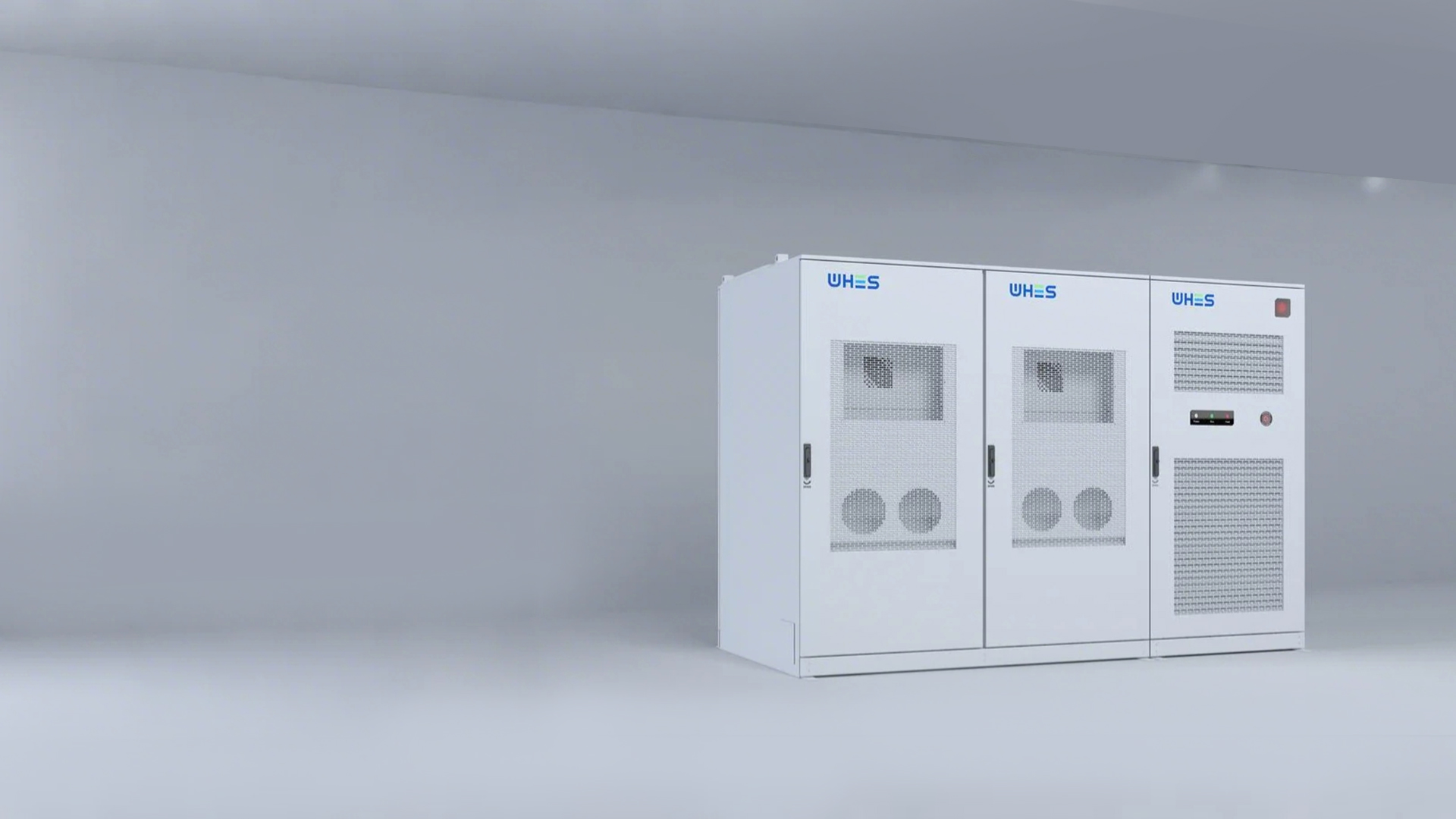
Opening perspective: why a future-focused view matters
As heavy industry pursues electrification and resilience, anticipating how behind-the-meter storage will reshape operations is essential. Thoughtful planners are already modeling scenarios where on-site batteries provide peak shaving, backup power, and ancillary services — and where commercial energy storage becomes a core part of the plant architecture rather than an add-on. This future-speculative frame helps facilities avoid reactive investments and instead design modular, upgradeable systems that align with evolving grid rules and market signals.
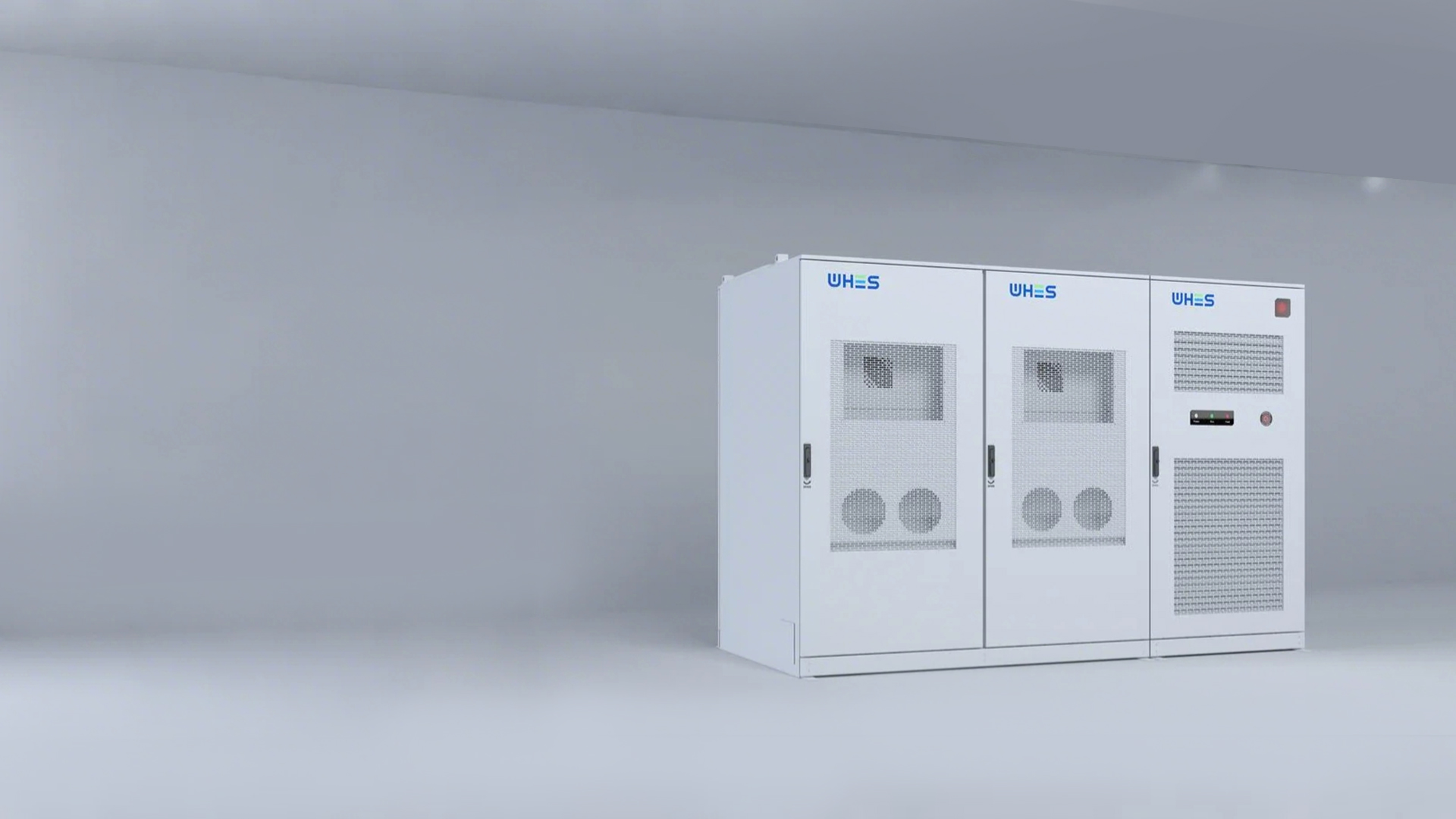
Real-world anchor and EEAT note
Experts note lessons from California’s “duck curve” and the broader West Coast experience with steep evening ramps and heat-wave-driven reliability events. Those occurrences demonstrate how distributed storage can mitigate ramp risk and reduce exposure to volatile wholesale prices — a practical, documented anchor for strategy. My commentary draws on engineering practice and recent industry deployments to blend technical and commercial judgment in a balanced manner.
Emerging technical coordinates for heavy-industry BESS
Three technical axes will define success: modular capacity sizing, power and energy balance, and controls integration with plant SCADA. Designers should think in terms of both kilowatts (for immediate load support) and kilowatt-hours (for sustained shifts). Inverter selection and state-of-charge (SoC) management will determine responsiveness and lifecycle; likewise, communications protocols (Modbus, OPC-UA) matter for operational visibility. Careful specification of charge/discharge profiles keeps warranty outcomes predictable and maintenance simpler.
Use-case scenarios that change planning logic
Imagine three practical scenarios: demand charge reduction during monthly peaks; ride-through during brief grid interruptions; and participation in local flexibility markets for frequency regulation. Behind-the-meter systems can also enable scheduled load shifting for smelters, compressors, or cold-storage chains. Each use case places different emphasis on cycle life, depth of discharge, and round-trip efficiency — therefore, the architecture must be purpose-aligned rather than one-size-fits-all.
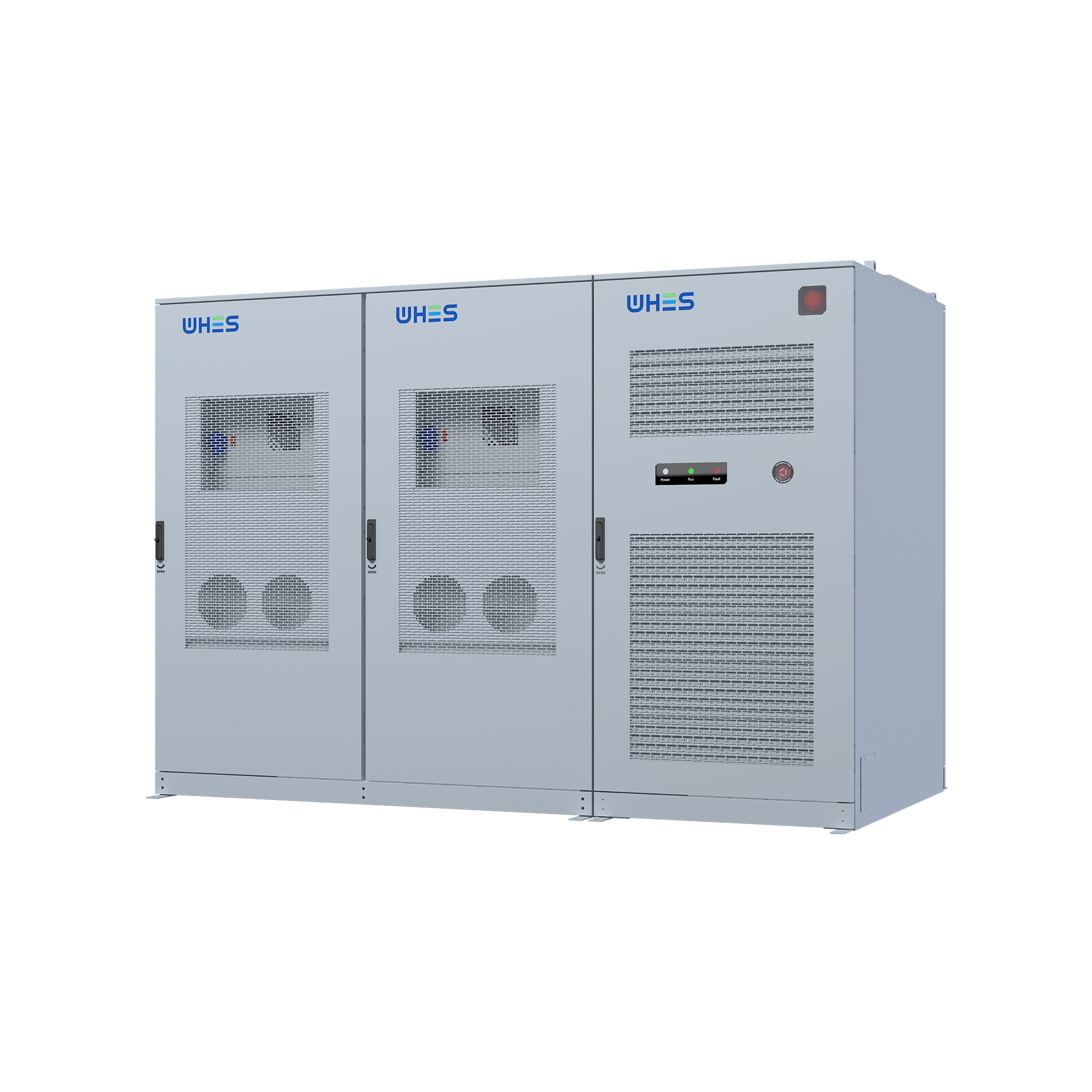
Commercial value stacks and revenue streams
Value may come from reduced demand charges, avoided capital expenditures on dedicated generators, or monetized grid services. Hybrid approaches — pairing batteries with fast-ramping gas or CHP for longer outages — can improve economics where full electrification is early-stage. Contractual clarity about dispatch rights, revenue-share for market participation, and maintenance obligations is crucial; otherwise, business value becomes diffuse and disputed.
Common mistakes to avoid during specification and procurement
Teams often underestimate three items: the true balance of power vs. energy needs; the importance of lifecycle degradation modeling; and the operational complexity of integrating BESS with existing control systems. A second common error is neglecting thermal management in the BESS room — it shortens battery life. Lastly, failing to test with production loads during commissioning invites surprises after commercial operation begins. — It is prudent to run staged commissioning with representative load cycles before you accept handover.
Alternatives and hybrid strategies
On-site gensets, grid reinforcement, demand-response contracts, and energy efficiency retrofits remain valid options. For some sites, a small, fast BESS paired with an on-site generator provides the best resilience-to-cost ratio. For others, especially near constrained substations, negotiated grid upgrades or contracted interruptible load programs may be superior. Choosing between these options requires an integrated techno-economic model that captures capital, O&M, and opportunity costs.
Implementation checklist: practical items for procurement teams
1) Define primary mission and secondary services (e.g., peak shaving primary, market participation secondary). 2) Specify realistic degradation curves and guarantee terms. 3) Require interoperability tests with plant control systems and fuel/restart sequencing. 4) Include a clear maintenance and spare-part plan in the contract. 5) Plan for software updates and cybersecurity safeguards. These steps reduce vendor ambiguity and protect lifecycle value.
Advisory: three golden rules for selecting BESS strategies
1) Measure mission alignment: choose systems sized and configured for your dominant operational need — do not prioritize market flexibility if resilience is primary. 2) Insist on transparent lifecycle economics: require vendor-provided total-cost-of-ownership models that include degradation, replacement cells, and warranty limits. 3) Verify operational governance: ensure dispatch authority, data access, and clear SLAs for response time and upkeep are contractually defined. These rules shorten decision cycles and improve project outcomes.
Conclusion — value orientation toward practical providers
In short, heavy industry will win by designing BESS not as a gadget but as a coordinated asset: matched to plant dynamics, integrated into control layers, and procured with lifecycle clarity. For many operators seeking turnkey and modular outcomes, partnering with firms that deliver industrial-grade, site-ready solutions such as an industrial battery energy storage system reduces procurement friction and accelerates reliable commissioning — a natural culmination of the planning logic above. Please consider those dimensions when mapping your next storage investment; they reveal the practical path from speculation to enduring value. —
WHES.