
Introduction: The Moment the Meters Tell the Truth
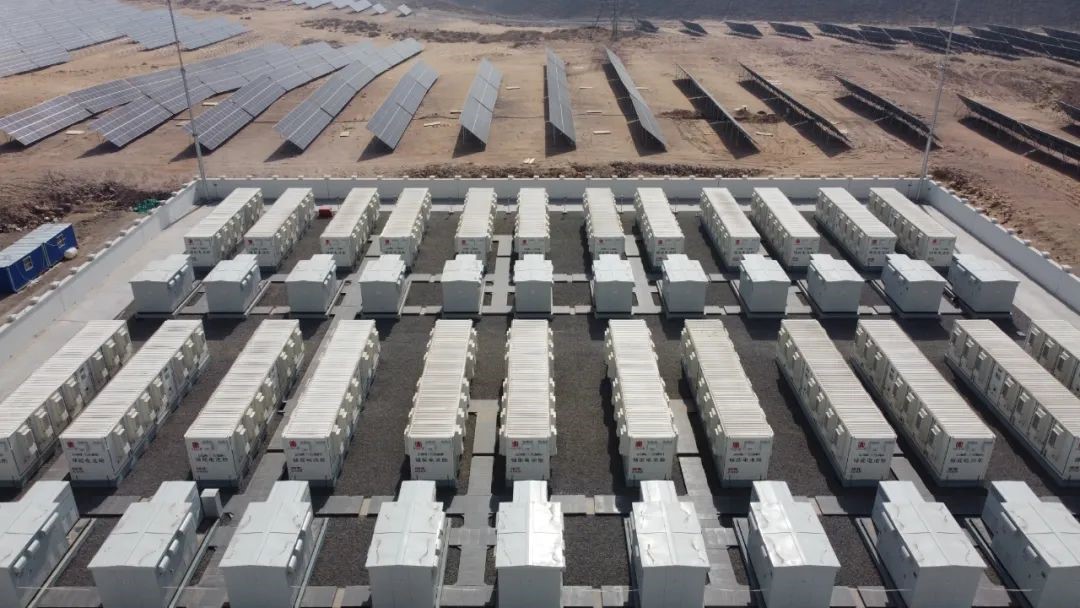
I’m a consultant-operator with over 17 years in grid-scale projects, and I like data more than promises. On a hot Saturday in July 2023, west of Sweetwater, our dispatch logs showed a clean pattern: charge hard at noon, discharge into the ERCOT evening ramp. Utility scale battery storage looks simple on a slide, but the meters always tell the truth. I have built and tuned utility scale battery energy storage systems that had to ride 42°C air temps without tripping, while the energy management system (EMS) handled five products at once. Peak battery output in ERCOT crossed 2.1 GW that month, yet two sites I reviewed missed more than a fifth of their target spread because their power converters derated under heat. So I ask you, as someone who has to sign off on risk—what is the real constraint: nameplate or controllability?
Look, I prefer hard checks over soft talk. When a battery management system (BMS) chases a conservative state-of-charge window, the model on your desk goes out the window, too. And if telemetry lags by seconds, you’ll lose fast frequency response bids before you even start. I am Dutch by habit if not by passport—plain speech, clean logic (and no drama). If we want bankable performance, we must test for it, not hope for it. That’s the pivot that leads into the next point.
What keeps the big packs from earning what the models promise?
Where Traditional Fixes Fail: The Hidden Friction
I’ve watched the same three “fixes” circle for a decade: oversize the inverter, widen the SOC band, and throttle HVAC to protect cells. On paper, fine. In the field, the trade-offs stack. In July 2023, a 100 MW/200 MWh site near Nolan County logged 18% revenue loss over six peak days because inverters derated under continuous 41–43°C ambient, while HVAC pulled 1.8 MW average parasitic load. The EMS then locked a 12% SOC reserve to avoid under-delivery in frequency regulation, which cut discharge depth right when prices spiked. That sight genuinely frustrated me—because it was avoidable with better thermal zoning and smarter setpoints on the BMS and power converters.
Another quiet killer: market latency. In CAISO, I audited a 20-foot, 5 MWh LFP container line in March 2024 where SCADA to bid-optimiser latency averaged 420 ms during congestion. Automatic Generation Control signals arrived, but edge computing nodes at the substation serialized too much logic. We adjusted the packet size, re-ordered the controls loop, and shaved it to 160 ms—modest change, measurable gain. The team had relied on a vendor default stack; I firmly believe that is a mistake. Defaults protect the vendor, not your P&L. Traditional “fixes” tend to widen margins and slow the brain of the system. I prefer solutions that make the system think faster, not just act softer—because soft systems drift when markets bite.
Comparative Lens: New Control Principles That Actually Scale
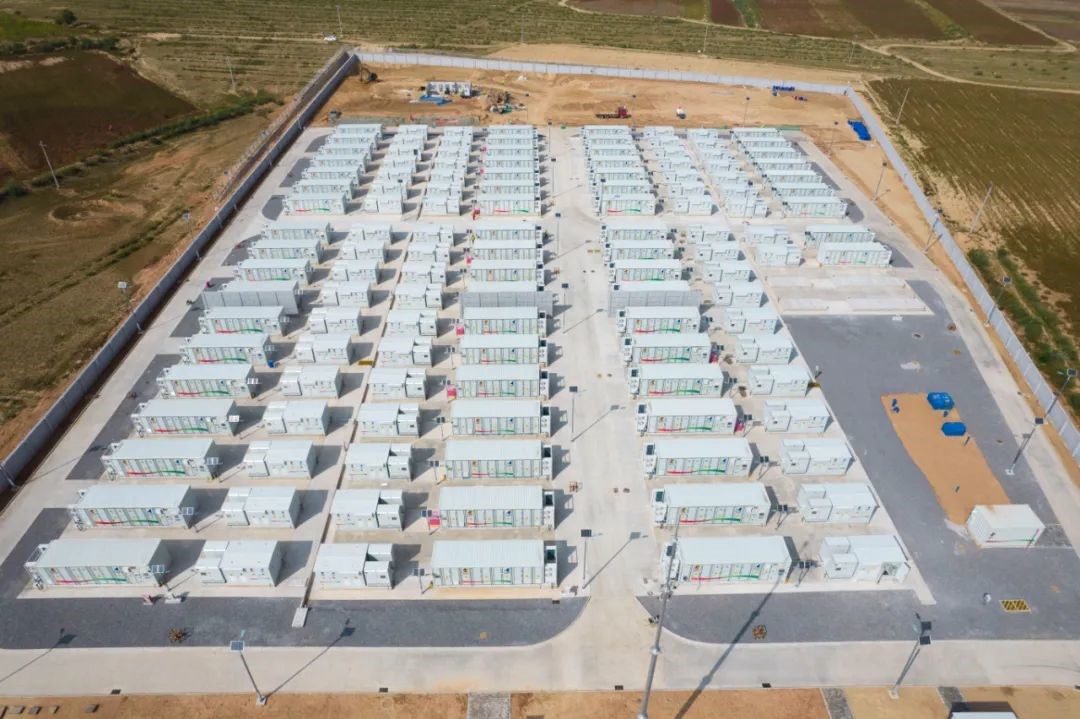
Here’s the comparison that matters to me after commissioning in Spain (Albacete, Oct 2022) and Texas (Howard County, May 2023). Old-school control runs fixed bands: fixed SOC floor, fixed temperature limits, fixed response rules. The modern approach treats the plant like a living system. Start with cell-aware dispatch: the EMS reads string-level impedance, pushes state-of-charge balancing at low-cost hours, and then leans into high C-rate windows when thermal headroom is proven—not assumed. Pair that with adaptive inverter curves that measure real-time heat flux, so your power ceiling is dynamic. Add edge computing nodes at the feeder to pre-qualify AGC moves, cutting round-trip decision time. With utility scale battery energy storage systems, this shift is not cosmetic—it decides whether a 2-hour system can earn like a 2.3-hour system because it stays in the money longer.
Case in point. In February 2024, we retuned a 50 MW hybrid near Bakersfield that co-sited solar and a two-hour battery. Before the retune, clipped solar was the main charge source; after, we layered a price-signal “siphon” that let the inverter soak from grid during low negative prices under a 10-minute rule. Result: 7.4% uplift in gross margin over 30 days and fewer thermal alarms (we split HVAC zones so the hottest racks cooled first—small detail, big effect). I’ll add one more line—yes, I raised my eyebrows when a simple reorder of the EMS queue beat a fancier algorithm. New principles win when they reduce the number of blind spots rather than add more code.
What’s Next
Three Metrics I Demand Before Signing Off
We covered heat, latency, and control brains. Let me close with the three checks I now refuse to skip—because they turn promises into outcomes. First, temperature-range ramp test: prove 95% nameplate delivery for 15 minutes at both 10°C and 40°C ambient, including HVAC draw, measured at the point of interconnection; inverters and inverters only don’t count. Second, end-to-end efficiency under real duty: log round-trip efficiency across a full week that mixes regulation, arbitrage, and a 1-in-20 contingency event; anything below 84% including auxiliaries suggests design debt hiding in HVAC or transformers. Third, market-response latency: from grid signal to power change at the meter must be below 250 ms median and 400 ms p95—validated with timestamped SCADA. These are blunt, yes, but fair. They compress the space between slideware and cashflow, and they make poor default settings visible—fast. If you want a quiet bonus, secure a 72-hour spares SLA with a 95% fill rate; downtime creeps from missing contactors more often than from cells, and I won’t pretend otherwise—not on my watch. For more grounded engineering and solutions, I often point teams to HiTHIUM.