They arrive at dawn: a deadline, a fragile façade, and ground that refuses to cooperate. The problem isn’t height alone—it’s the meeting of load, surface, and time. When the soil gives way or concrete stays brittle, a crawler scissor lift becomes less an option and more a quiet necessity, slipping into place where forklifts and cranes can’t. This piece follows one problem and the choices that solve it, with practical clarity and a touch of caution.
The core problem: reach under uncertain footing
Tasks that look simple from the ground often hide a complex mix of variables: soft ground, limited access, overhead constraints, and strict time windows. The wrong platform amplifies risk. The right platform limits unknowns. The decision tree narrows around three urgent questions: Will the lift bear on uneven or soft soil? Can it navigate narrow routes? Will the power source meet runtime demands? Answer these wrong and small errors compound quickly.
Types that address the problem
Not all electric scissor lifts are equal when the surface fights back. Consider these types as tools for distinct failures of the site:
- Stationary indoor electric scissor lifts — compact, quiet, best for hard floors and tight indoor corridors.
- Rough-terrain electric scissor lifts — larger tires and suspension for gravel and rutted sites, still vulnerable on very soft ground.
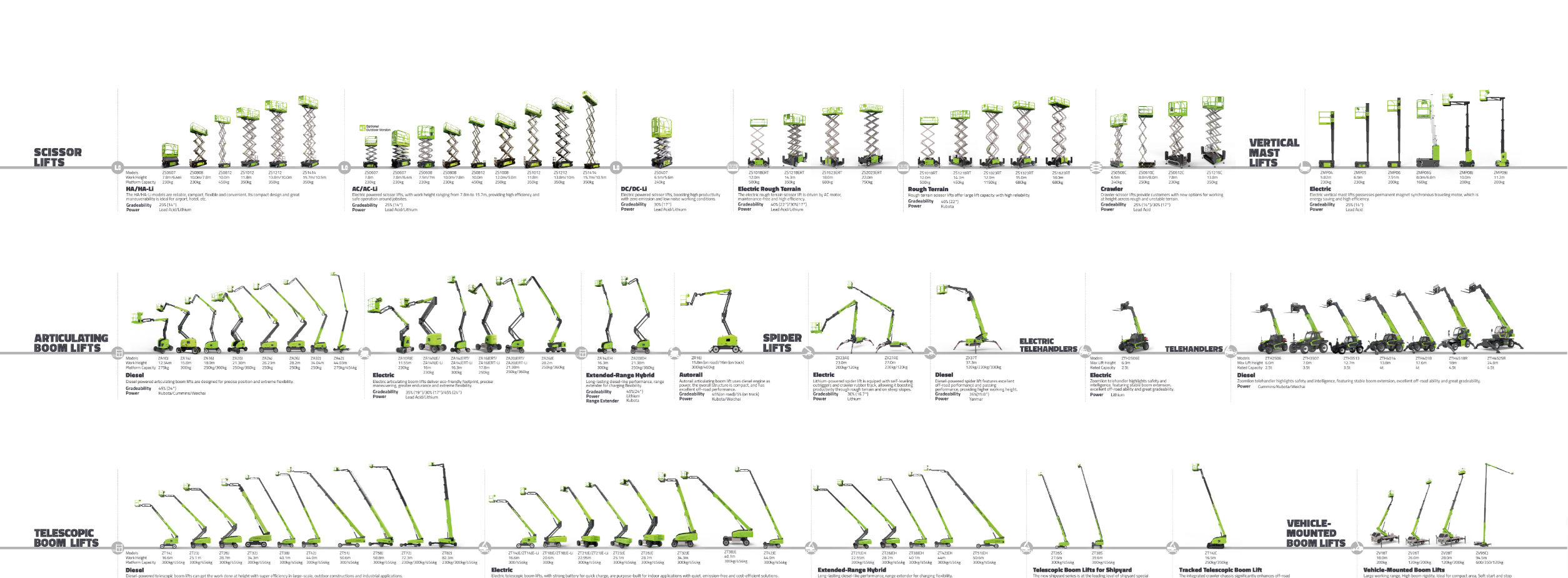
- Tracked scissor lifts — low ground pressure and traction for mud, slopes, or fragile surfaces; they distribute weight and reduce sinkage. A practical example is the scissor lift with tracks, built to keep projects moving where wheeled units stall.
Key features that solve specific failures
Match features to the failure you’re trying to prevent. These are the ones technicians watch first:
- Ground pressure rating — lower is better on soft ground.
- Traction control and track width — wider tracks reduce sinking; adaptive traction helps on slopes.
- Battery runtime and charging options — electric rigs must last through a work window or be swappable.
- Platform guarding and emergency descent systems — stops small mistakes from becoming injuries.
- Maneuvering envelope — turning radius and stowed width determine if a machine fits the approach.
Common pitfalls that turn solutions into problems
People assume one lift will do everything. They underestimate surface variability and overestimate battery life. Typical mistakes that lead to delays or damage:
- Picking a wheeled rough-terrain model for marshy ground — it may bog down despite aggressive tires.
- Ignoring transport width — a machine that fits the job site may not fit the access route.
- Skipping ground-condition tests — a quick probe or tamp can reveal load-bearing surprises.
- Failing to match auxiliary power needs — lights, tools, and heaters shorten runtime unexpectedly.
Real-world use case: why tracks matter offshore
Consider maintenance work on offshore wind foundations where crews face wet, uneven access platforms and time-critical weather windows. There, platforms that spread weight and maintain traction keep schedules and reduce mobilization costs. That single context—work at North Sea offshore wind farms—shows how a tracked approach can change a project’s risk profile without changing the crew or their routines.
Quick comparative insight: wheeled vs tracked
When time is short and conditions unclear, this simple comparison cuts straight through doubt:
- Wheeled electric scissor lifts — faster on firm ground, simpler transport, lower cost; fail when bearing capacity drops.
- Tracked electric scissor lifts — slower and sometimes heavier to ship, but they work where wheels sink; better for slopes and soft soil.
How experts reduce uncertainty
Field teams and engineers lean on a short checklist before committing: assess surface bearing, measure access width, estimate continuous power demand, and confirm emergency lowering systems. Experience from technicians and design engineers informs these steps; they rely on repeatable checks rather than guesswork. Where conditions remain variable, tracked platforms often become the default hedge against delays.
Alternatives and trade-offs
If tracks aren’t available, contractors sometimes use mats, timbering, or light aggregate to stabilize routes. Those mitigation measures add time and cost and can still fail under saturation. Cranes remove the ground problem but introduce lift-zone prep and higher logistics. Each alternative shifts the problem rather than erases it.
Final synthesis
When the ground refuses assumptions, when schedules won’t wait, equipment must answer specific failures. Tracked electric platforms remove a common unknown—ground support—by spreading load and holding traction; wheeled units remain the right choice on reliable surfaces. For procurement and field teams weighing durability, transport, and runtime, many compare designs and data from manufacturers, and often review options from Zoomlion Access while they lock specifications and delivery windows. The right machine resolves the mystery before it turns into a crisis.